मुख्य बिंदु
- Nuclear-Free World: Xi Jinping Calls for Nuclear Arms Ban पर विस्तृत जानकारी और ताज़ा अपडेट।
- सरकारी अधिकारियों और ज़मीनी संवाददाताओं के मुख्य बयान।
- ऐतिहासिक संदर्भ और बाज़ार/सामाजिक प्रभाव का विश्लेषण।
- नीचे पूरा विस्तृत विवरण पढ़ें।
Nuclear-Free World: Xi Jinping Calls for Complete Ban on Nuclear Weapons
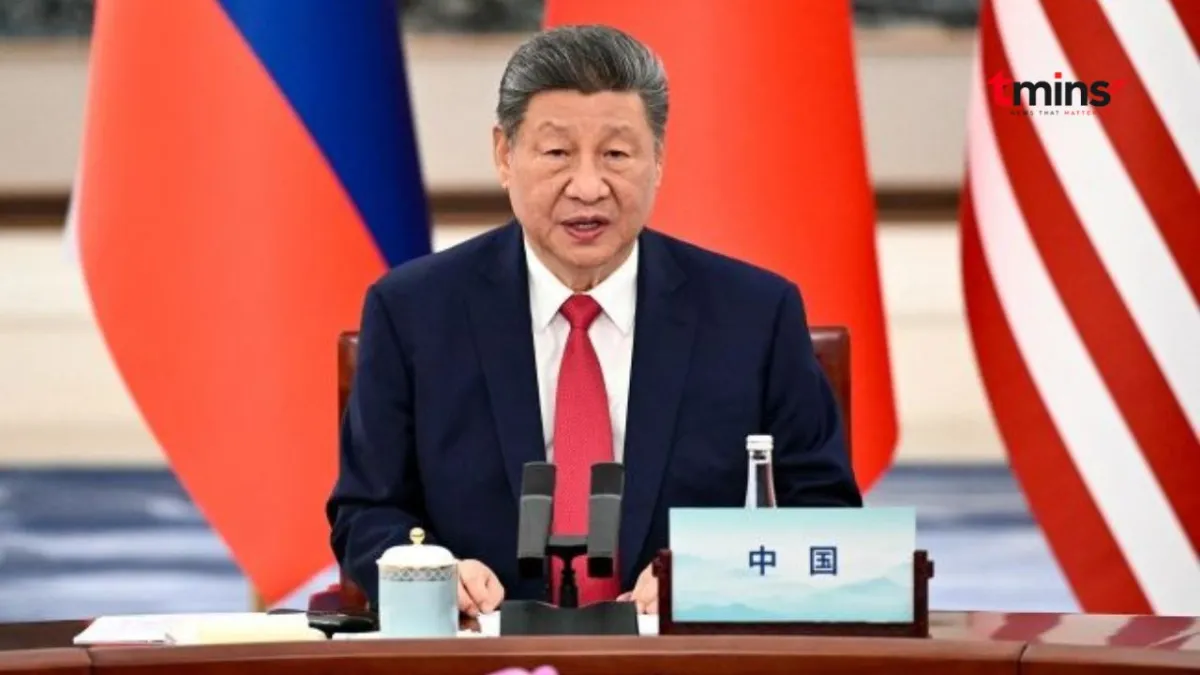
Chinese President Xi Jinping has called for a complete ban and destruction of nuclear weapons, stressing that the world must work towards a future without nuclear threats. Addressing a closely watched meeting involving the leaders of China, the United States and Russia in Shenzhen, China, on Thursday, November 19, 2026, Xi described nuclear weapons as a "sword of Damocles" hanging over humanity. He warned that a nuclear war would have devastating consequences and must never be fought. According to Xi, every possible effort should be made to prevent such a conflict and maintain global strategic stability. The Chinese president also outlined four key principles that major powers should follow to manage their relations and protect international peace. These include mutual respect, peaceful coexistence, mutually beneficial cooperation, and dialogue and consultation.
Xi Jinping Calls for a World Without Nuclear Weapons
During his address, Xi emphasised that nuclear weapons pose a serious threat to humanity. He called on major powers to support their comprehensive prohibition and complete destruction, with the ultimate objective of establishing a nuclear-free world. "A nuclear war cannot be won and must never be fought," Xi said. He also stressed the importance of complying with the Treaty on the Non-Proliferation of Nuclear Weapons (NPT). According to him, preventing nuclear conflict should remain a shared responsibility of the international community. His remarks highlighted the need for stronger international cooperation to reduce nuclear risks and prevent a possible global catastrophe.


Four Principles for Relations Between Major Powers
Xi Jinping presented four principles that he believes should guide relations between China, Russia and the United States.
1. Mutual Respect
Xi described mutual respect as the foundation of relations between major powers. He acknowledged that China, Russia and the US have different political systems, historical backgrounds and development paths. According to him, these differences should be respected rather than becoming reasons for confrontation. He called on the countries to respect one another's sovereignty, territorial integrity and core interests. He also emphasised the importance of non-interference in domestic affairs. Xi said countries should communicate before taking decisions on sensitive matters involving one another and avoid crossing established red lines.
2. Peaceful Coexistence
The second principle focused on peaceful coexistence. Xi argued that competition between major powers does not necessarily have to lead to conflict. Referring to the concept of the "Thucydides trap", he said confrontation between an established power and a rising power was not inevitable. The decisions made by their leaders would determine the direction of their relationship. He urged China, Russia and the US to act as partners, avoid unnecessary tensions and maintain peaceful relations. Xi also highlighted their shared responsibility as major victors of World War II to protect the post-war international order and uphold the principles of the United Nations Charter.
3. Mutually Beneficial Cooperation
Xi's third principle focused on economic and trade cooperation. He said China, Russia and the US have different economic strengths that could complement one another. By combining their resources, manufacturing capabilities and consumer markets, the three countries could create opportunities for mutual growth. He urged them to move away from Cold War thinking and avoid economic decoupling and supply chain disruptions. Xi also highlighted growing challenges to global energy security. He suggested that the three countries strengthen communication and coordination to maintain stable energy supply chains and protect international energy markets.
4. Dialogue and Consultation
The fourth principle emphasised the importance of continuous communication. Xi said disagreements between major powers were unavoidable, but a lack of dialogue could increase suspicion and turn minor disputes into serious conflicts. He called for regular high-level meetings, open communication channels and stronger mechanisms for crisis management. Such arrangements, he said, could help countries avoid misunderstandings, manage differences and prevent tensions from escalating.
Xi Urges Major Powers to Promote Global Peace
Xi also addressed ongoing international conflicts and rising geopolitical tensions. He noted that disputes and conflicts continued to emerge across different regions, creating uncertainty for the international community. He said major powers had a responsibility to encourage peace and promote diplomatic solutions. According to Xi, China, Russia and the United States should continue encouraging conflicting parties to engage in negotiations and resolve disputes through political and diplomatic means.
Conclusion
Xi Jinping's call for a nuclear-free world places nuclear disarmament and international cooperation at the centre of discussions on global security. His four principles highlight the importance of mutual respect, peaceful coexistence, economic cooperation and dialogue. As geopolitical tensions continue across the world, the challenge for major powers will be to turn these principles into meaningful action and work towards lasting international peace.



टिप्पणी लिखें
बातचीत में शामिल होने के लिए कृपया साइन इन करें।
टिप्पणी करने के लिए साइन इन करेंखाता नहीं है? साइन अप करें