मुख्य बिंदु
- Nepal Tunnel Rescue: 93 Workers Still Missing After Drone Search पर विस्तृत जानकारी और ताज़ा अपडेट।
- सरकारी अधिकारियों और ज़मीनी संवाददाताओं के मुख्य बयान।
- ऐतिहासिक संदर्भ और बाज़ार/सामाजिक प्रभाव का विश्लेषण।
- नीचे पूरा विस्तृत विवरण पढ़ें।
Thermal drones found no people inside Nepal's Rasuwagadhi tunnel as rescue teams continue searching flood-hit hydropower sites
Nepal Tunnel Rescue: A major search for survivors of Nepal’s flood-hit Rasuwagadhi Hydropower Project has concluded as rescuers reached the depths of a tunnel where no one was found. A Nepali Army-led group – including engineers and a drone unit – searched the tunnels after fears arose that workers may be trapped after devastating floods hit the Bhote Koshi River. It brings further uncertainty about what happened to 93 people tied up with the hydropower project who have yet to make contact since the disaster. It remains unclear if they were on the site of the project when the waters rose or if they had got themselves safe.
Thermal Drone Search Finds No One



After entering the tunnel and searching as far as possible – some parts of which proved tricky and could be risky to examine directly – the rescue team eventually brought in a drone to survey the caverns. This didn’t find any trace of humans anywhere. Having confirmed there was nobody within, the Army-led team ended its efforts and headed back to Dhunche in Rasuwa district, according to Nepal’s Prime Minister’s Secretariat. This confirms there’ll need to be further searches conducted outside the confines of the mountain tunnels where the missing people might still be found. But it also opens the door for considering alternative explanations, including whether the group might have been washed away in the torrential floodwaters, or perhaps even reached safer ground elsewhere but lost contact with their companions before roads and bridges were cut off.
Nepal Flood Disaster Leaves Hundreds Missing
This operation forms part of a far bigger humanitarian catastrophe in the country. In total, the floods and landslides have taken the lives of 903 people in Nepal, although thousands more are still unaccounted for, according to Nepal’s disaster authorities. Hydropower projects throughout the Rasuwa and Nuwakot areas have been hit especially hard by the calamity, the National Disaster Risk Reduction and Management Authority reported. Of the 933 people connected to those projects who went missing, rescue workers had brought 279 out of the hydropower tunnels they searched — 254 of them from the Upper Trishuli-1 project, and 18 at the Langtang Khola site. But their status remains unclear.
Rescue Operations Continue at Other Projects
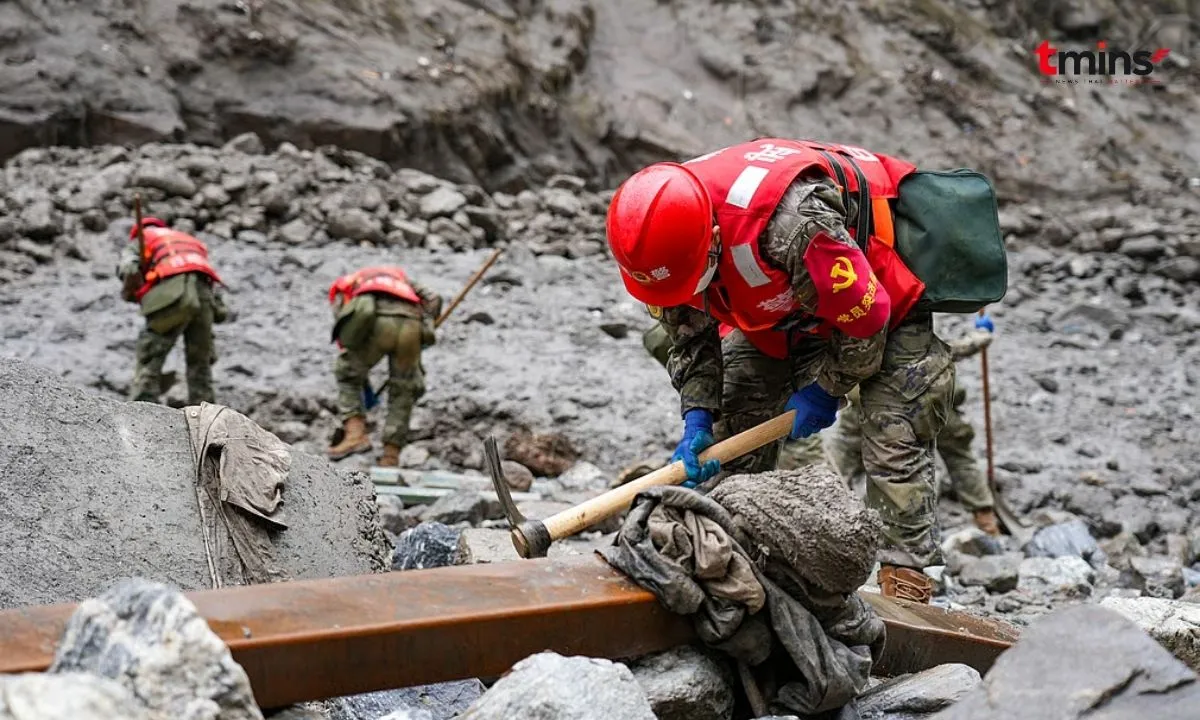
While the search for those missing in the Rasuwagadhi tunnel has come to an end, rescue work continues at several other hydropower facilities. Nepali Army personnel are still making attempts to reach workers believed to be trapped within the confines of the Upper Trishuli-3A project’s tunnel in Nuwakot district. To make progress through sections that are buried beneath layers of earth and rock, rescuers have employed heavy machinery along with controlled blasting of rock. As before, there is also now a joint rescue effort between the Nepali Army, Armed Police Force and Nepal Police on site. There have been many challenges to overcoming the catastrophe in such conditions. These include the presence of mud and rock, damage done to roads and communications as well as landslides which all hamper rescue missions attempting to reach remote and isolated project locations.
India and China Assist Nepal
Meanwhile, expert teams have been arriving from India and China to help Nepal with their efforts to find those still working at hydropower projects who may be caught up or missing. Specialised equipment such as drones, heavy excavators, and other pieces of tunnel-rescue tech have played an increasing role during the operation amid challenging conditions underground.
Here’s what happens to those 93 missing workers.
But this also doesn’t tell us what happened to the 93 missing people trapped within the隧道. And authorities will now keep assessing what happened as they continue their search for people in flood-affected areas. Flooded with powerful waters from the Bhote Koshi River, much was destroyed around the project area. This includes important infrastructure that would help understand how workers moved around, and the damage means tracing movements is proving an enormous challenge for investigators. As families wait for answers about their loved ones, rescue agencies can be expected to continue wider searches but will focus efforts at downstream locations where they think those missing may have sought refuge.
Nepal's Rescue Mission Faces a Race Against Time
Our ongoing efforts highlight some of the huge challenges resulting from Nepal’s most recent disaster. Over 20,000 security personnel have participated in search and rescue operations throughout the affected area, and helicopters have also played an essential role in rescuing those stranded and delivering aid. Authorities are now trying to balance speed with safety as rescue teams work through hydropower sites that have suffered damage. Finding those still missing remains an important priority in the country’s continued attempts to recover from these devastating floods.



टिप्पणी लिखें
बातचीत में शामिल होने के लिए कृपया साइन इन करें।
टिप्पणी करने के लिए साइन इन करेंखाता नहीं है? साइन अप करें