मुख्य बिंदु
- Dussehra 2026 Date and Muhurat: Vijayadashami on October 20 पर विस्तृत जानकारी और ताज़ा अपडेट।
- सरकारी अधिकारियों और ज़मीनी संवाददाताओं के मुख्य बयान।
- ऐतिहासिक संदर्भ और बाज़ार/सामाजिक प्रभाव का विश्लेषण।
- नीचे पूरा विस्तृत विवरण पढ़ें।
Dussehra 2026 falls on October 20; check Vijay Muhurat and Ravana Dahan timings
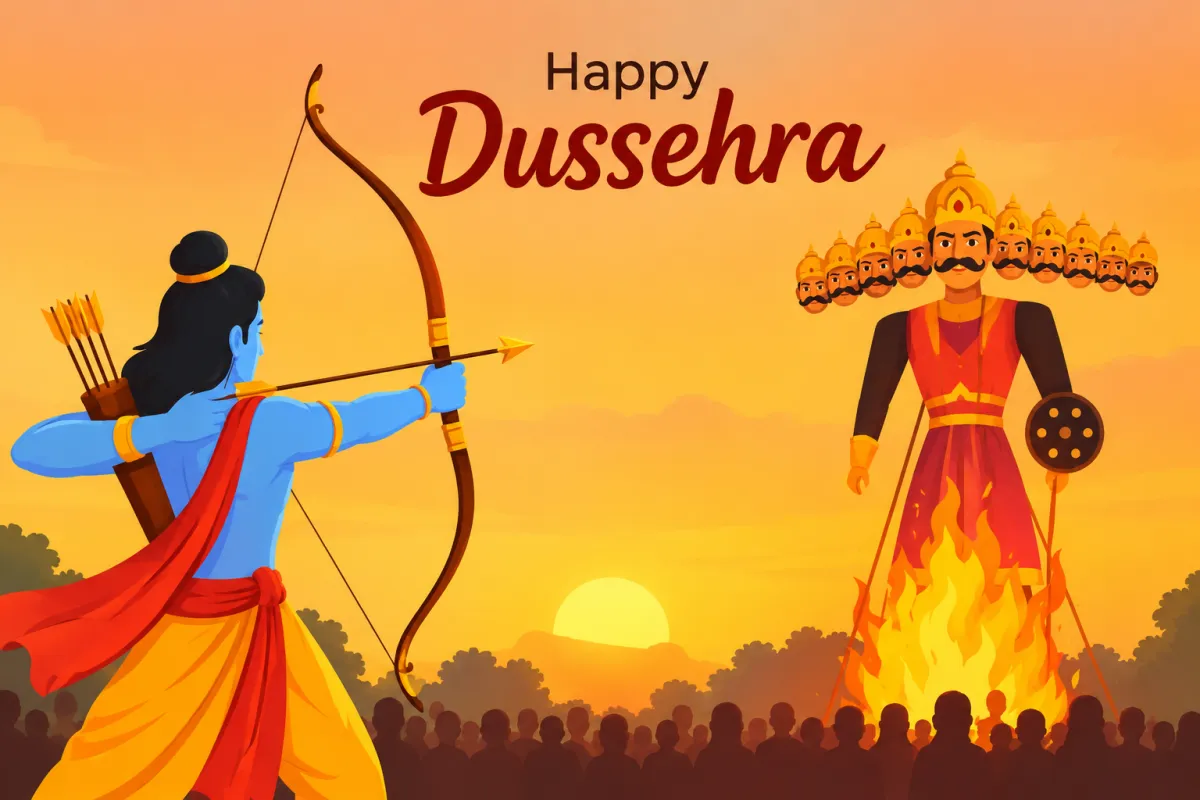
Dussehra 2026 Date and Muhurat: Dussehra also known as Vijayadashami is one of the important Hindu festivals. It stands for the victory of good over evil. People celebrate it with rituals, prayers and cultural events. The festival honours Lord Rama’s win over Ravana. It also signals the end of Durga Puja in parts of India. This year there is confusion about whether Dussehra will fall on October 20 or October 21 2026. That’s because the Dashami Tithi spans across both days. Based on the Hindu calendar Dussehra will be observed on Tuesday, October 20 2026. The festival is celebrated with joy across the country. One of the loved traditions is Ravana Dahan. During this ritual large effigies of Ravana, Kumbhakarna and Meghnad are burnt. This act symbolises the triumph of righteousness, over evil.
Dussehra 2026 Date: October 20 or 21?
Dussehra is celebrated on the day of the bright half of the month Ashwin. That day is called Dashami. Even though the Dashami Tithi extends into October 21 we will observe Dussehra on October 20 because we follow the Udaya Tithi and old traditions. Here are the important dates and timings for Vijayadashami 2026:
- Dussehra Date: Tuesday, October 20 2026
- Dashami Tithi Begins: 12:50 PM on October 20
- Dashami Tithi Ends: 2:11 PM on October 21
- Vijay Muhurat: 1:59 PM to 2:45 PM on October 20
- Pradosh Kaal Begins: 5:47 PM on October 20
- Ravana Dahan: Usually done in the evening depending on customs and lucky times.
Devotees can use Vijay Muhurat for prayers and good deeds. Ravana Dahan is usually set up in the evening. The exact time changes from one place, to another depending on local customs.
Significance of Dussehra 2026
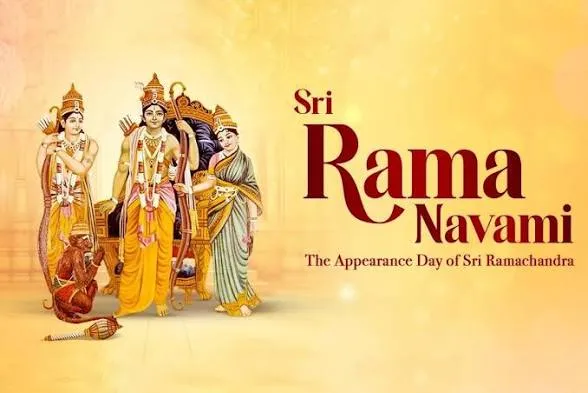
The significance of Dussehra 2026 lies in its religious and cultural meaning within Hinduism. This festival marks the victory of Lord Rama over the demon king Ravana. Ravana had taken Goddess Sita away. This act set the stage for a great battle. According to the Ramayana Lord Rama defeated Ravana. Brought back Sita proving that good overcomes evil. The name Vijayadashami comes from the words "vijaya," meaning victory and "dashami " meaning the day. Dussehra is often linked to the defeat of Ravana, which's a powerful symbol of justice prevailing. The festival reminds believers that truth, courage and righteousness can win over darkness and wrongdoing. Ravana is often shown with ten heads. These ten heads are not a myth—they are seen as symbols of negative traits that people should try to eliminate in themselves. These traits include pride, hatred, desire, fear, attachment, anger, ego, greed, lack of feeling and envy. By overcoming these people can move toward a balanced and virtuous life. Dussehra is not a celebration—it is a lesson, in self-improvement.
Ravana. Ramlila Celebrations
In parts of India preparations for Dussehra start days before the festival. Communities organize Ramlila performances, which show parts from the Ramayana including Lord Ramas fight against Ravana. On Vijayadashami big figures of Ravana, Kumbhakarna and Meghnad are burned in areas. These events bring families and visitors together who come to watch the shows and take part in the celebrations. The act of burning Ravana serves as a reminder to say no, to pride lies and bad behavior. It also highlights the value of morals and the need to act responsibly every day.
Durga Puja and Vijayadashami in West Bengal
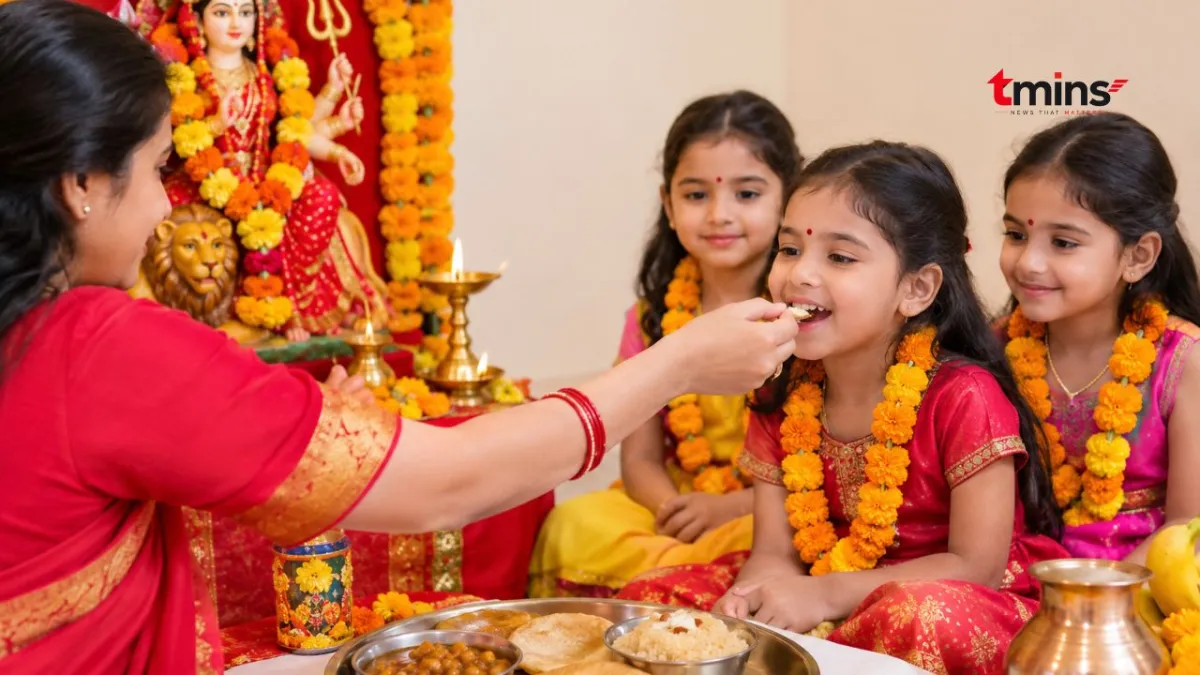
In West Bengal Vijayadashami marks the end of the Durga Puja festival. Devotees pray to Goddess Durga. Ask for happiness, prosperity and the well-being of their families. A special tradition in West Bengal is Sindoor Khela. Married women rub vermilion on each other. Join in celebrations before the farewell ceremony to Goddess Durga. Even though traditions vary from one place to another the main message stays the same: Dussehra marks the triumph of good, over evil. Urges people to walk the path of truth and righteousness. When October 20 draws near devotees can ready themselves for the festival by looking up puja schedules and the timings of Ravana Dahan.



टिप्पणी लिखें
बातचीत में शामिल होने के लिए कृपया साइन इन करें।
टिप्पणी करने के लिए साइन इन करेंखाता नहीं है? साइन अप करें