मुख्य बिंदु
- Murli Manohar Joshi Questions Modi Govt’s Education Policies पर विस्तृत जानकारी और ताज़ा अपडेट।
- सरकारी अधिकारियों और ज़मीनी संवाददाताओं के मुख्य बयान।
- ऐतिहासिक संदर्भ और बाज़ार/सामाजिक प्रभाव का विश्लेषण।
- नीचे पूरा विस्तृत विवरण पढ़ें।
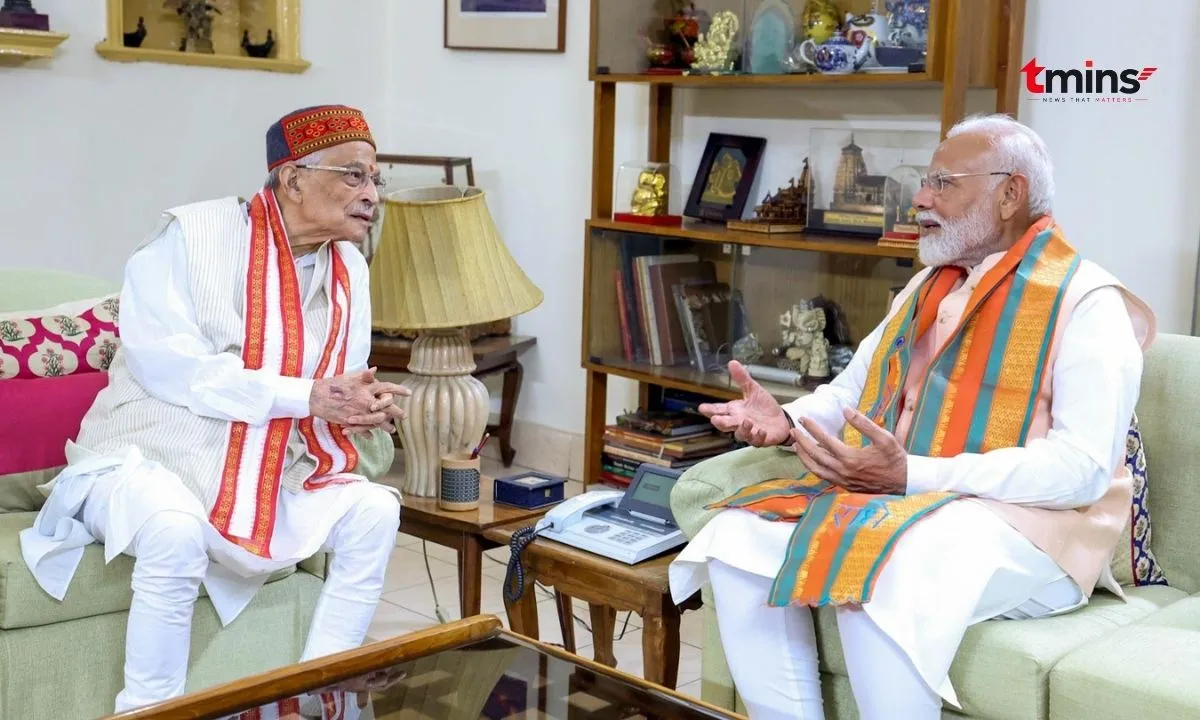
Former Union minister Murli Manohar Joshi has raised concerns over education funding, paper leaks, privatisation, school closures and employment opportunities
Murli Manohar Joshi, a senior Bharatiya Janata Party leader and a former Union minister for human resource development, has questioned how India’s education system is being steered. He also spoke about what he sees as the government’s shifting priorities. In an interview with Amar Ujala, Joshi raised topics that include exam paper leaks, the level of money spent on education, and actions like closing schools. He also touched on private players entering the education space, jobs for young people, and how education rules are being put into practice. His remarks are being made while people keep worrying about competitive exams and the state of education overall. Joshi said that paper leaks should not be treated only as mistakes in exam conduct. He suggested they can point to larger troubles, such as corruption and problems in how the system is run.
Murli Manohar Joshi Says Paper Leaks Are Linked to Corruption
Joshi said that exam paper leaks are not only a student problem. He pointed to the social climate and how the system is run. In his view, when students repeatedly see wrongdoing and unfair methods, they may start to think this is normal. He then asked a specific question. Why did paper leaks not grow into a bigger issue during the time of former Prime Minister Atal Bihari Vajpayee? Joshi felt both the government and the public should look at the core causes. He said it is wrong to put all blame on students alone. Joshi also spoke about the tough steps being used to stop leaks. He mentioned the heavy security used for printing and moving question papers. After that, he asked if the way exams are handled has become too much, as if the process were like a conflict.Education should connect to jobs
Joshi made a strong point about how school and work should link up. In his view, education must help people get income. He also asked why colleges keep growing if many graduates cannot land proper work. He pointed to cases where well trained people ended up in roles that did not fit their study. Then he said leaders should look at job openings when they choose what courses to expand and where to build new programs. Joshi also talked about how student interests shifted over time. He noted a move from physics to electronics, and later to electronic engineering. For him, education plans need to think ahead about what the job market will want, so students do not finish their programs with skills that lead to weak job options.Joshi raised doubts about the education budget, He pointed to where the money goes now
According to Joshi, spending on education and primary education has fallen. He also said healthcare funding has dropped too. He contrasted this with higher spending on roads and transport. Joshi added that new roads do not solve everything by themselves. He said road work depends on trained people. That includes engineers, technical schools, and skilled workers who can carry projects forward. In Joshi's view, education should not sit apart from the wider plan for the country. He believes it must be treated as a core part of overall development.Joshi’s Views on NEP 2020
Joshi spoke about the National Education Policy and said the current steps trace back to the Vajpayee period. He remembered reading the earlier education plan. From that, he felt a brand new policy was not always needed. He said an education policy must spell out clear goals. He added that schooling should support full growth of a person. In his view, education should not be shaped only to fit one trade plan or a single industrial agenda.Education should not turn into a business
Joshi also took a hard line against the rise of commercial activity in education. He spoke in favour of a common school structure. He believed kids should be able to attend schools near their homes. If law changes were needed, he suggested that could be considered.He argued that access matters most in school years. He said money made by education bodies should be controlled. After that, the money should go back into education. He also criticised the habit of closing public schools when enrolment drops. He said closing is not the only way. Instead, schools should get better support. He pointed to the need for stronger facilities and enough teachers.Doubts about “Viksit Bharat”
Joshi raised questions about what “Viksit Bharat” should mean for schools and society. He said development should not be judged only by money or by the look of big projects. He stressed that education must build the values a society wants. He also warned that schooling that becomes more costly can push richer groups ahead. This can make economic gaps and social gaps grow. In the end, Joshi’s comments point to core issues.



टिप्पणी लिखें
बातचीत में शामिल होने के लिए कृपया साइन इन करें।
टिप्पणी करने के लिए साइन इन करेंखाता नहीं है? साइन अप करें