मुख्य बिंदु
- Prahaar Movie Review: Rajkummar Rao Shines पर विस्तृत जानकारी और ताज़ा अपडेट।
- सरकारी अधिकारियों और ज़मीनी संवाददाताओं के मुख्य बयान।
- ऐतिहासिक संदर्भ और बाज़ार/सामाजिक प्रभाव का विश्लेषण।
- नीचे पूरा विस्तृत विवरण पढ़ें।
Prahaar Movie Review: Rajkummar Rao Shines as Ujjwal Nikam, Lalit Prabhakar Stuns as Ajmal Kasab
Prahaar Movie Review: Rajkummar Rao and Lalit Prabhakar deliver compelling performances in Prahaar, a courtroom drama based on the legal proceedings surrounding the 26/11 Mumbai terror attacks and the prosecution of Ajmal Kasab. Directed by Avinash Arun, the film focuses on the determination of public prosecutor Ujjwal Nikam to secure justice while respecting the principles of the Indian judicial system. Produced by Dinesh Vijan under Maddock Films and written by Sumit Roy, Prahaar explores a relatively less-explored aspect of the 2008 Mumbai attacks: the courtroom battle that followed the tragedy. Rather than focusing entirely on the violence and its immediate aftermath, the film examines the legal process that ultimately led to Kasab's conviction and execution.
Rajkummar Rao Delivers a Strong Performance
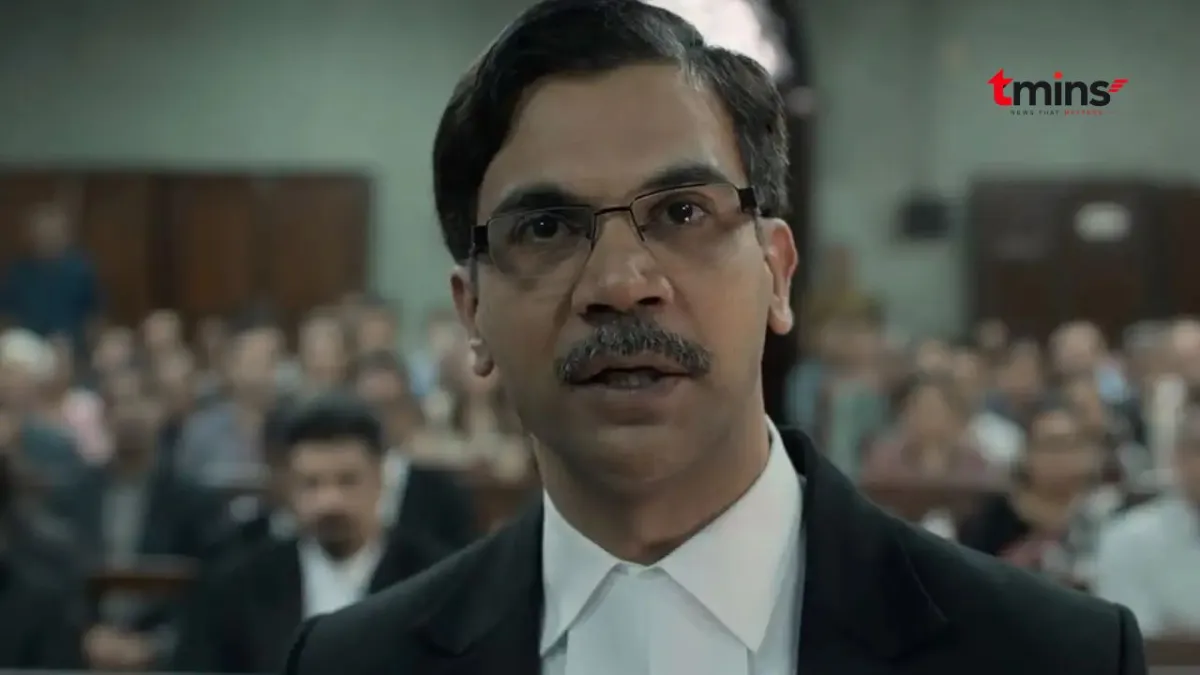
Rajkummar Rao plays Ujjwal Nikam, the public prosecutor who became nationally recognised for his role in several high-profile criminal cases. The actor brings restraint, intensity and conviction to the character, portraying a lawyer determined to pursue justice through the law. The film introduces Nikam celebrating his victory in the 1993 Mumbai blasts case before moving towards the challenges surrounding the prosecution of Kasab. Rao effectively captures the prosecutor's short temper, professional discipline and unwavering commitment to his responsibilities. Although his transformation may not be as complete as his performance in Shahid, Rao delivers a convincing portrayal that anchors the film. He avoids unnecessary theatrics, allowing the courtroom arguments and the character's actions to drive the narrative.


Lalit Prabhakar as Ajmal Kasab Steals the Show
One of the film's biggest highlights is Lalit Prabhakar's portrayal of Ajmal Kasab. His transformation into the convicted terrorist is striking, with a performance that captures the character's disturbing presence without turning him into a caricature. The screenplay attempts to explore Kasab's background and indoctrination without excusing the horrific crimes committed during the Mumbai attacks. This approach adds complexity to the courtroom proceedings while maintaining the distinction between understanding a criminal's circumstances and justifying his actions. Sikandar Kher also makes an impression as a fictional Muslim defence lawyer who represents Kasab despite overwhelming public anger. His character highlights an essential principle of the justice system: every accused person is entitled to legal representation, regardless of the allegations against them.
Prahaar Highlights the Importance of Due Process
The central strength of Prahaar lies in its emphasis on the rule of law. The film portrays Nikam as a patriotic prosecutor, but it does not suggest that public outrage should replace legal procedure. A key idea running through the narrative is that justice must be delivered without compromising fairness. The courtroom proceedings demonstrate why even an accused person facing overwhelming evidence must receive a proper hearing before punishment is imposed. The film also explores the challenges faced by the defence lawyer, who becomes a target of public anger while performing a legitimate professional duty. By addressing these complexities, Prahaar moves beyond a conventional story of national outrage and revenge.
Avinash Arun's Direction Keeps the Story Grounded
Director Avinash Arun, who also serves as cinematographer, adopts a measured approach to the sensitive subject. His visual style avoids excessive dramatization, allowing the performances, dialogue and courtroom confrontations to create tension. The film also examines Nikam's personal life, including his relationship with his wife, Jyoti, played by Wamiqa Gabbi, and his son, Aniket, played by Ritvik Sahore. His professional responsibilities frequently take precedence over family commitments, revealing the personal sacrifices associated with his demanding career. Jaideep Ahlawat adds weight to the narrative in a brief role as a Pakistani lawyer who challenges Nikam during the proceedings.
Prahaar Movie Review: Final Verdict
Prahaar stands out for its balanced storytelling, strong performances and thoughtful examination of India's judicial system. Rather than relying solely on patriotic speeches or graphic depictions of terrorism, it builds its impact through courtroom arguments and the pursuit of accountability. Rajkummar Rao provides the film with a strong foundation, while Lalit Prabhakar delivers one of its most memorable performances. Avinash Arun's controlled direction further strengthens the drama. The film's focus on the human cost of terrorism, particularly through a courtroom sequence involving a 10-year-old victim, adds emotional weight without overwhelming its central theme. Overall, Prahaar offers a serious and engaging courtroom drama that explores justice, responsibility and the importance of due process in the aftermath of a national tragedy.



टिप्पणी लिखें
बातचीत में शामिल होने के लिए कृपया साइन इन करें।
टिप्पणी करने के लिए साइन इन करेंखाता नहीं है? साइन अप करें