मुख्य बिंदु
- Sugar Mill Prices Fall: Rates Drop From ₹67 to ₹47 पर विस्तृत जानकारी और ताज़ा अपडेट।
- सरकारी अधिकारियों और ज़मीनी संवाददाताओं के मुख्य बयान।
- ऐतिहासिक संदर्भ और बाज़ार/सामाजिक प्रभाव का विश्लेषण।
- नीचे पूरा विस्तृत विवरण पढ़ें।
Sugar mill prices have fallen nearly 30% after government measures, but retail consumers may have to wait for lower rates
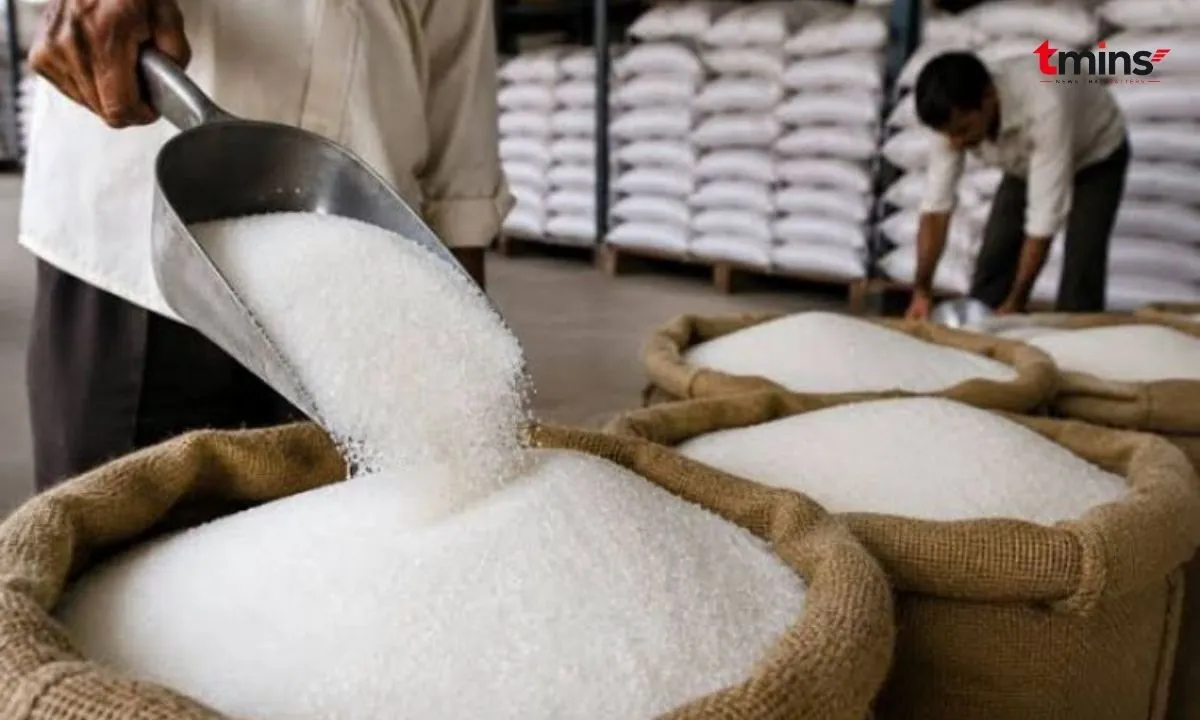
Sugar Mill Prices Plummets: The prices of sugar at the mills have recorded a significant drop after several steps taken by the government to ensure domestic availability and check rising prices. According to reports, sugar price at the mills dropped by almost 30 percent, down from Rs. 67/kg on August 18 to around Rs. 47/kg on Monday. It is likely to provide benefits to consumers in the future, though the effect will take some time to show up in the retail market. Sources from the industry claim that the wholesalers are fast to react to fluctuations in mill prices whereas retail prices require more time to change due to disposal of existing stocks first.
Reasons Why Retail Sugar Prices Haven’t Reduced So Far
While mill prices have reduced significantly, consumers will have to be patient before they start enjoying reduced prices at the retail level. Those who bought their sugar at high prices have reportedly declined to sell the sugar at reduced prices since doing so would mean a loss. The average retailer has between 10 to 15 bags of sugar with each bag weighing about 50 kilograms. As long as there is this stock bought at high prices, prices will remain high until they manage to reduce stocks by selling them at prevailing prices. According to a source in the industry, it might take up to 10 days for the reduction to be felt in retail shops.


Refined Sugar Allowed to Be Sold Domestically by Government
One of the most important factors that contributed to the fall is the government allowing sugar mills to sell the refined sugar that was intended to be exported domestically. The industry experts have calculated that 3 to 3.5 lakh tonnes of refined sugar would be able to flow into the domestic market in the coming two months. This will ease the pressure on the supply side and stabilize the prices. The government has imposed stricter regulations on bulk consumers and traders to ensure no excess hoarding takes place.
Stockholding Restrictions Become Effective From September 1
The new stockholding restrictions are in place from September 1. As per the new restrictions, any bulk consumer using more than 10 tonnes of sugar a month would not be permitted to maintain stocks for more than 15 consecutive days. Moreover, the quantity of sugar sold by each mill to bulk consumers will be monitored. The monitoring will include the supply of sugar by the mills directly, as well as that sold via dealers. This step has been taken to prevent the building up of stocks.
Multiple Measures Have Been Taken by Government to Control Prices
Along with allowing the sale of refined sugar meant for exports within the country, there have been other measures taken by the government to control prices. Stock holding norms have been tightened for wholesalers and dealers and sugar exports have been banned by the government. These measures aim to ensure better availability in the market and avoid any artificial scarcity.
The government claims that adequate stock of sugar is available in the country and part of the reason behind price rise is attributed to the behavior of mills.
Sugar Production Estimate Cut Down
All these measures have been taken despite cutting down on the production estimate of sugar in India for the 2025-26 marketing season starting from October and ending in September. The production estimate of sugar has been cut from 343 lakh tonnes to 306 lakh tonnes. On the other hand, sugar consumption in India annually is estimated to be 280-285 lakh tonnes.
Differences Between Mill, Wholesale, and Retail Prices
Industry experts have noted that there will always be differences in prices in the supply chain. There will usually be a difference of about ₹2-3 per kg for ex-mill and wholesale prices, whereas the difference between mill and retail prices will be approximately ₹7-8 per kg. This difference includes logistics and handling costs. Since the price of the mills is now much cheaper, it is expected that wholesale prices will adjust themselves soon. However, retail customers may have to wait until the expensive stock is cleared out.
When Will the Consumers See Cheaper Sugar?
While the question on every consumer’s mind right now is “when will this price decrease be reflected at the retail end?,” it must be remembered that while the effect can come through at the wholesale stage relatively soon, there will be some days delay in seeing it at the retail end. Retail sugar prices can fall if fresh stocks arrive at cheaper prices and there is comfort in the availability of stock. But till such time, consumers should not expect any immediate drop in prices of the same extent as that observed at the mill level.



टिप्पणी लिखें
बातचीत में शामिल होने के लिए कृपया साइन इन करें।
टिप्पणी करने के लिए साइन इन करेंखाता नहीं है? साइन अप करें