मुख्य बिंदु
- Petrol Diesel Tax News: Export Duty Changes Explained पर विस्तृत जानकारी और ताज़ा अपडेट।
- सरकारी अधिकारियों और ज़मीनी संवाददाताओं के मुख्य बयान।
- ऐतिहासिक संदर्भ और बाज़ार/सामाजिक प्रभाव का विश्लेषण।
- नीचे पूरा विस्तृत विवरण पढ़ें।
Government Raises Windfall Tax on Petrol Exports Fivefold, Cuts Diesel Duty by ₹7.50: Will Fuel Prices Rise in India?
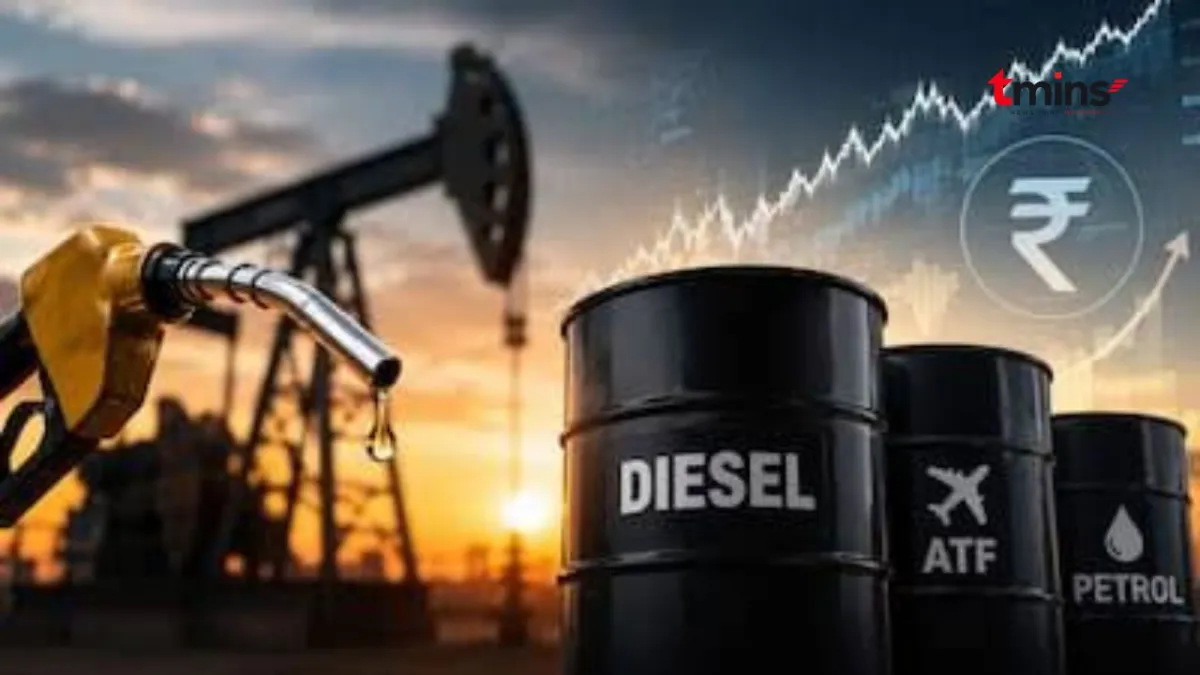
The central government has announced a major change in export duties on petrol and diesel, raising the tax on petrol exports fivefold while providing significant relief on diesel exports. Under the revised rates, the export duty on petrol has been increased from ₹0.50 to ₹2.50 per litre, while the duty on diesel exports has been reduced by ₹7.50 per litre, according to the information provided. The decision has raised questions among consumers about whether petrol and diesel prices will increase in the domestic market. However, changes in export duties do not automatically translate into higher fuel prices at Indian petrol pumps. The revised taxes apply to petroleum products exported to other countries, directly affecting refiners and businesses involved in international fuel trade.
Petrol Export Tax Increased Fivefold
The government has increased the export duty on petrol from ₹0.50 per litre to ₹2.50 per litre. This represents a fivefold increase in the tax imposed on petrol shipments to overseas markets. The move could increase the cost of exporting petrol for Indian refiners and other businesses involved in international petroleum trade. Companies may need to account for the additional duty when calculating their export prices, profit margins and overall business strategies. The impact will depend on several factors, including international fuel prices, refining costs and demand in overseas markets. The decision also highlights the government's approach to adjusting petroleum export duties in response to changing market conditions. However, the precise impact on individual companies will depend on their export volumes and commercial arrangements.


Diesel Export Duty Cut by ₹7.50 Per Litre
While petrol exporters face a higher tax burden, diesel exporters have received relief through a reduction in export duty of ₹7.50 per litre. The reduction could help lower the export costs of companies that supply diesel to international markets. Depending on prevailing market conditions, the move may improve their competitiveness and provide additional flexibility in pricing their products. India is a major refining hub, supplying petroleum products to both domestic consumers and overseas markets. Changes in export duties can therefore influence the decisions of refiners regarding production, sales and the allocation of fuel between domestic and international markets. The contrasting decisions on petrol and diesel indicate that the government is adjusting export duties separately for the two products rather than applying a uniform tax change across all petroleum exports.
Will Petrol and Diesel Prices Increase in India?
One of the biggest questions following the announcement is whether consumers will have to pay more for petrol and diesel at domestic fuel stations. An increase in export duty does not automatically mean higher retail fuel prices in India. The revised duties apply to petroleum products exported abroad, rather than directly changing the taxes charged on domestic fuel sales. Retail petrol and diesel prices are influenced by several factors, including international crude oil prices, the rupee-dollar exchange rate, central and state taxes, transportation costs and the pricing policies of oil marketing companies. Consequently, the impact of the latest export duty changes on domestic fuel prices cannot be determined from the export tax revision alone. Consumers should distinguish between export duties and the taxes that directly affect retail fuel prices. Any change in domestic petrol or diesel prices would depend on separate pricing decisions and prevailing market conditions.
What Is a Windfall Tax?
A windfall tax is an additional tax that governments may impose on unusually high profits earned by companies under exceptional market conditions. For example, when international oil prices rise sharply, petroleum companies may earn significantly higher profits than usual. Governments can introduce or adjust windfall taxes to capture part of these exceptional earnings. Such taxes are generally designed to respond to extraordinary market circumstances and can affect the profitability of businesses operating in the energy sector. In the petroleum industry, export duties and windfall-related levies can influence the economics of selling fuel in international markets. Changes in these charges may affect export margins, pricing decisions and the attractiveness of overseas sales. The latest changes to petrol and diesel export duties could therefore have different implications for refiners depending on the products they export and the markets they serve.
How Will the Decision Affect Oil Refining Companies?
The increase in petrol export duty could put pressure on the margins of businesses exporting petrol, while the reduction in diesel export duty could provide relief to diesel exporters. The overall impact will depend on the volume of petrol and diesel exported, international prices, refining costs and the ability of companies to adjust their selling prices. For refiners operating in multiple markets, the revised duties could also influence decisions about where to sell their products. However, the extent of any change in export volumes or domestic supply will depend on broader market conditions.
What Should Consumers Know?
The government's latest decision changes the tax structure for petrol and diesel exports. Petrol export duty has increased from ₹0.50 to ₹2.50 per litre, while diesel export duty has been reduced by ₹7.50 per litre, according to the supplied information. For consumers, the key takeaway is that the export tax changes do not, by themselves, signal an immediate increase in domestic petrol and diesel prices. The impact on fuel prices will depend on other market factors and any separate decisions affecting retail rates. Meanwhile, refiners and exporters will need to assess how the revised duties affect their costs, profitability and international sales.



टिप्पणी लिखें
बातचीत में शामिल होने के लिए कृपया साइन इन करें।
टिप्पणी करने के लिए साइन इन करेंखाता नहीं है? साइन अप करें