मुख्य बिंदु
- India GDP Growth: Who Is Driving the Economy? पर विस्तृत जानकारी और ताज़ा अपडेट।
- सरकारी अधिकारियों और ज़मीनी संवाददाताओं के मुख्य बयान।
- ऐतिहासिक संदर्भ और बाज़ार/सामाजिक प्रभाव का विश्लेषण।
- नीचे पूरा विस्तृत विवरण पढ़ें।
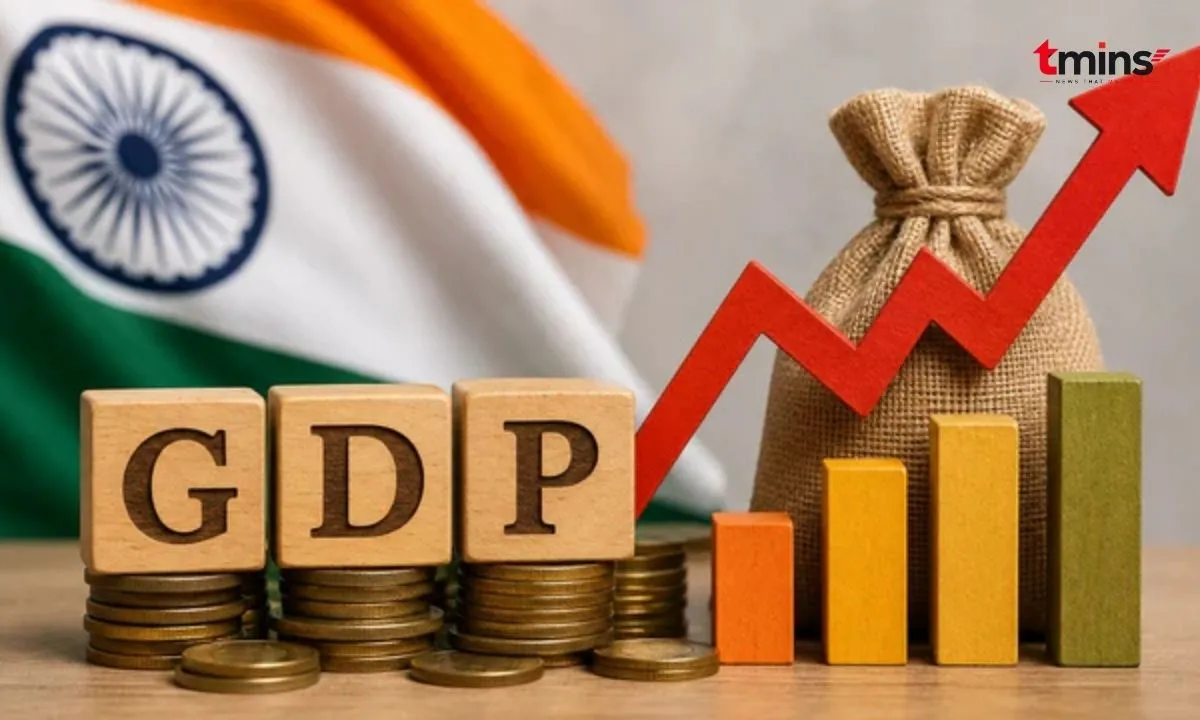
India GDP Growth: India's economy has shown a better than expected performance for its financial year 2027, with the real GDP growing at a rate of 7.8% in the April-June quarter. The rate of growth was better than the market expectation of 7.3%.
With such figures, one can only wonder about what factors are contributing to India's economic growth - private consumption, production, finance and services, or corporate investments? None of the above, or rather all of the above would be the answer, as while private consumption remained positive, investment, exports and production were some of the leading contributors.

Investments and Exports Make Strong Contributions
One of the main contributors to the economic growth of India in the quarter under review was investments, which rose by 11.9%, outperforming private consumption considerably. The exports also made a good showing, posting 12% growth in the quarter. The statistics show that the role of external demand and investments in the development of the economy is becoming more and more significant. Private consumption growth was 7.1%, and government consumption growth was even lower – 4.3%. It seems that the economy of India is expanding its growth story, as companies are making investments in production, and foreign demand for Indian products also contributes to economic development.
Strength in Banking and Services
Services were still among the key driving forces in the economy. The aggregate group including finance, insurance, real estate, and professional services grew by 12.1% in Q1. Manufacturing grew 9.2%, while electricity and utilities grew 8.9%. The trade and hotel services group grew 8.5%. These statistics imply that the economy of India relies not only on consumer demand but also on manufacturing and services.
Banking and Services Industry Remain Robust
The services sector continued to remain among the key strengths behind the robust economic growth. The segment comprising banking, insurance, real estate and business services witnessed growth of 12.1% in the first quarter. Manufacturing posted growth of 9.2%, whereas the electricity and utilities sector experienced 8.9% growth. Trade, hotel, transport and communication witnessed growth of 8.5%. The numbers clearly indicate that the Indian economy is receiving support from both services as well as industry segments rather than relying completely on the domestic consumption.
Is Consumer Demand Weak?
No. Private consumption rising by 7.1% is robust, despite its being slower than investments and exports. The bottom line is that consumers continue to spend, although there are some other parts of the economy which are growing at a much faster rate right now. As Deepak Agrawal, Chief Investment Officer for the debt portfolio at Kotak Asset Management Company, said, “The composition of the GDP numbers is positive.” He referred to the good growth in investments, private consumption, and manufacturing, in addition to the services sector as one of the pillars of the economy. Thus, Q1 data do not reflect any significant weakening of consumer demand. There is more than one engine of economic growth going on.
GVA Growth Surpasses GDP
There is another critical factor – Gross Value Added (GVA). The real GVA grew by 8.2% in the first quarter of the year, surpassing the 7.8% growth in GDP. Higher numbers in terms of GVA mean solid economic performance. Nevertheless, growth was uneven between industries. The mining industry shrank by 2.4%, whereas agriculture saw growth at 3.6%. Mining slowdown and instability in West Asia pose a threat to the country’s economy.



टिप्पणी लिखें
बातचीत में शामिल होने के लिए कृपया साइन इन करें।
टिप्पणी करने के लिए साइन इन करेंखाता नहीं है? साइन अप करें