मुख्य बिंदु
- Gold Price Today: Bullion Faces Biggest Weekly Drop पर विस्तृत जानकारी और ताज़ा अपडेट।
- सरकारी अधिकारियों और ज़मीनी संवाददाताओं के मुख्य बयान।
- ऐतिहासिक संदर्भ और बाज़ार/सामाजिक प्रभाव का विश्लेषण।
- नीचे पूरा विस्तृत विवरण पढ़ें।
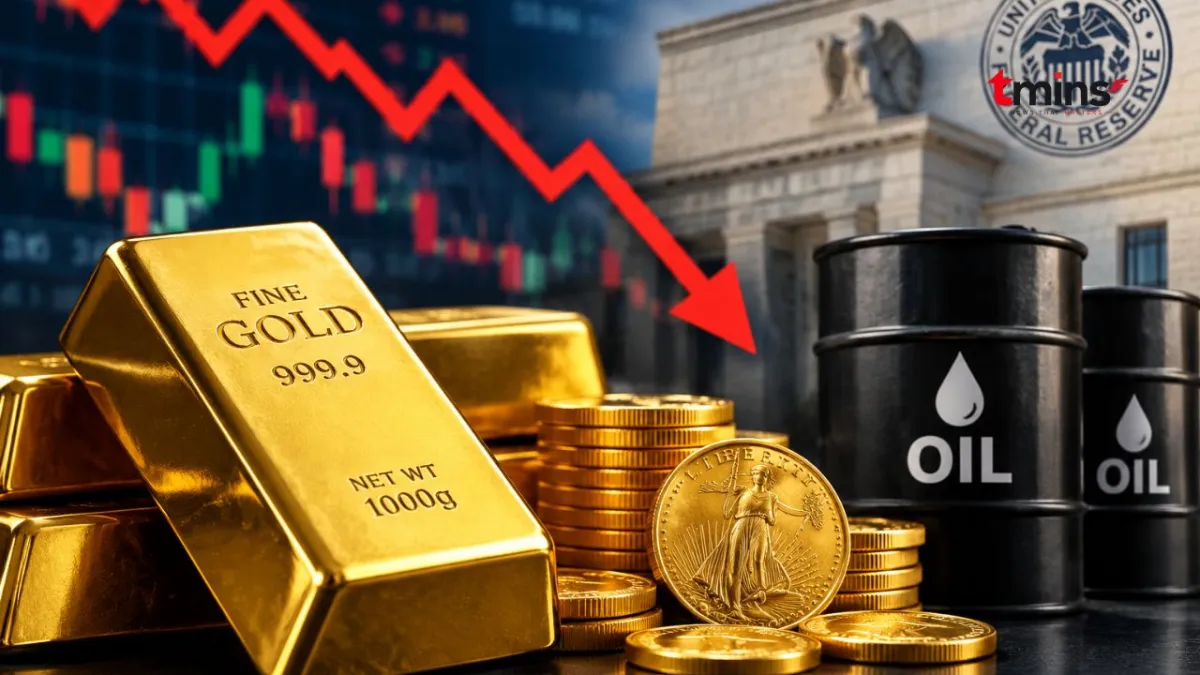
Gold Price Today: Gold Heads for Biggest Weekly Loss in Four Months as Oil Prices Fuel Fed Rate Concerns
Gold Price Today: Gold prices edged lower on Friday, October 23, as rising oil prices strengthened expectations that the US Federal Reserve could keep interest rates elevated for longer. Bullion was heading towards its steepest weekly decline in more than four months as investors assessed inflation risks and awaited the Fed’s upcoming policy meeting and fresh US inflation data. According to Reuters, spot gold fell 0.2% to $4,016.27 per ounce by 0351 GMT, after touching its lowest level since July 20 earlier in the session. The metal had declined approximately 3.5% during the week, putting it on track for its worst weekly performance since June. Market participants are closely watching the $4,000-per-ounce level, which has emerged as an important psychological threshold. A sustained break below this level could signal that investors are becoming less confident about near-term interest rate cuts and are increasingly concerned about persistent inflation, higher bond yields and a stronger US dollar. Monte Safieddine, head of market research at Capital.com, said investors were attempting to defend the key $4,000 level as market expectations shifted towards a more challenging environment for gold.
Rising Oil Prices Put Pressure on Gold
One of the main factors weighing on gold prices is the sharp rise in crude oil. Oil prices climbed around 4% on Thursday, reaching a five-month high after attacks by Houthi forces on Saudi Arabia heightened concerns about possible disruptions to global energy supplies. Higher oil prices can increase transportation, manufacturing and energy costs, potentially pushing inflation higher. If inflation remains elevated, central banks may be reluctant to reduce interest rates quickly. This creates a difficult environment for gold, which does not generate interest income. When interest rates and bond yields remain high, investors may find interest-bearing assets more attractive than bullion. Safieddine noted that further geopolitical escalation could push oil prices higher, intensifying inflation concerns and delaying expectations of monetary easing. Such developments could continue to put pressure on gold in the near term.


Federal Reserve Meeting in Focus
Investors have turned their attention to the Federal Reserve's October 27–28 policy meeting. The central bank's interest rate decision will be closely monitored for indications about the direction of US monetary policy in the coming months. According to the Reuters report, traders were largely expecting the Fed to leave interest rates unchanged at its next meeting. However, market expectations for an interest rate hike in December remained at around 80%. The possibility of higher interest rates has become an important concern for gold investors. Higher borrowing costs can support the US dollar and increase the opportunity cost of holding non-yielding assets such as gold. Investors will also watch the upcoming US Personal Consumption Expenditures (PCE) inflation data. The PCE price index is the Federal Reserve's preferred inflation gauge, and the central bank targets an inflation rate of 2%. If the data points to persistent inflation, markets could further reduce expectations of monetary easing. Conversely, signs of cooling inflation could provide some relief to gold prices.
Silver, Platinum and Palladium Also Under Pressure
The weakness in gold has coincided with declines across other precious metals, suggesting that investors are reassessing positions throughout the sector. Spot silver fell 1% to $53.98 per ounce on Friday, while platinum declined 0.1% to $1,568.58 per ounce. Palladium was relatively steady at $1,054.50 per ounce. All three metals were heading towards weekly declines, reflecting broader uncertainty across precious metal markets. Meanwhile, analysts at HSBC lowered their average price forecasts for platinum and palladium for 2026, citing changing market fundamentals and investor liquidation, according to Reuters. These developments indicate that precious metals are facing pressure from a combination of changing investor positions, interest rate expectations and uncertainty about the global economic outlook.
What Should Investors Watch Next?
Gold's near-term direction will depend largely on developments in oil markets, inflation data and signals from the Federal Reserve. The $4,000-per-ounce level remains an important threshold for market participants, although its significance does not guarantee that prices will hold above it. A further increase in energy prices could strengthen inflation concerns and keep interest rates elevated for longer. On the other hand, easing geopolitical tensions or softer inflation data could help improve sentiment towards bullion. For now, investors are approaching the market cautiously as they await the Fed's decision and fresh economic indicators. Gold's steep weekly decline highlights how quickly expectations about interest rates and inflation can influence precious metal prices. This report is based on the Reuters market update dated October 23, 2026. Prices and market expectations can change throughout the trading session.



टिप्पणी लिखें
बातचीत में शामिल होने के लिए कृपया साइन इन करें।
टिप्पणी करने के लिए साइन इन करेंखाता नहीं है? साइन अप करें