
मुख्य बिंदु
- Why the US Is Challenging Iran and Oman's Hormuz Service Fee Proposal पर विस्तृत जानकारी और ताज़ा अपडेट।
- सरकारी अधिकारियों और ज़मीनी संवाददाताओं के मुख्य बयान।
- ऐतिहासिक संदर्भ और बाज़ार/सामाजिक प्रभाव का विश्लेषण।
- नीचे पूरा विस्तृत विवरण पढ़ें।
Iran and Oman are nearing a Strait of Hormuz shipping deal, but the US opposes proposed service fees for vessels using the route.
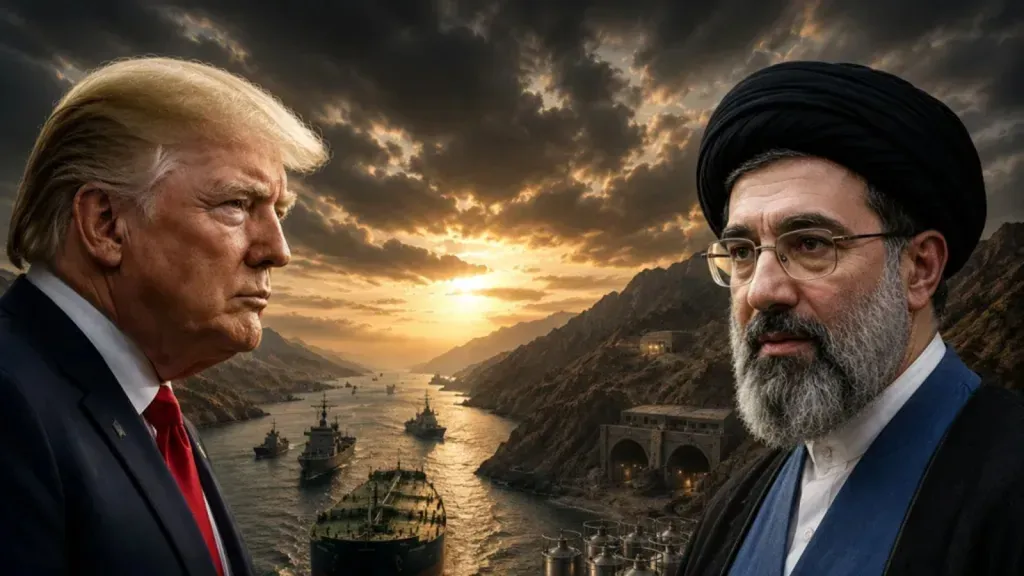
Iran and Oman are moving little closer to a deal, sort of to restore and then manage maritime traffic through the Strait of Hormuz, which is, one of the world’s most strategically important routes. The arrangement being floated includes a new shipping framework and a “service fee” model, meant to help pay for navigation, security, and environmental protection steps in that area. But this plan has turned into a headache, especially with the United States, because they say these charges could weaken the idea of free passage or free navigation.
The Strait of Hormuz connects the Persian Gulf to the Arabian Sea and in practice moves nearly one fifth of global oil shipments. Since the outbreak of regional tensions earlier this year, cargo traffic through that waterway has seen real disruptions, so diplomatic work has been pushed to set up a more stable, kind of durable framework for maritime operations. Oman has been sort of positioning itself as a go between between Iran and different international stakeholders, trying to make sure commercial vessels can pass safely, even when conditions look shaky. In the proposed arrangement, ships entering the strait from the Indian Ocean would be able to transit via areas described as Iranian-controlled waters, while outbound vessels would take routes that run closer to Oman. Iran and Oman would supply navigation and safety related services, then in return, they would collect a fee from ships that use the corridor. Iranian officials describe these payments as compensation for maritime services, not as classic transit tolls, though the practical effect can feel similar at times.


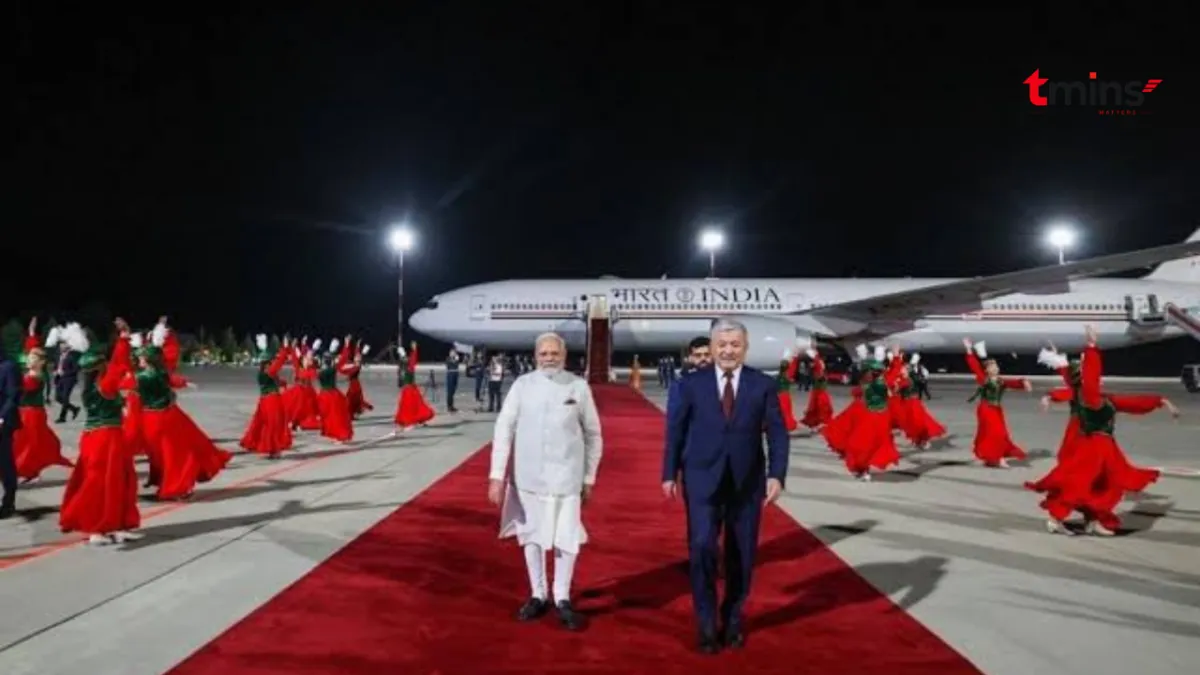
The United States disputes this approach , saying that international shipping lanes should stay open , without mandatory fees, and well, without any charges that others might see as normal. Washington has voiced concerns that if states allow fees then it might set a precedent for turning one of the world’s most significant maritime chokepoints into something monetized. US officials have also pushed back on proposals suggesting that Iran should take on expanded authority over how vessels move through the strait. People in favor say international law does allow fees , but only when those fees are tied to particular services, like navigational safety, protection of the environment and emergency response operations. They cite similar systems in other major sea routes, including the Strait of Malacca, where contributions are often framed as voluntary. Critics , though, worry the whole arrangement could raise transportation costs and at the same time add more uncertainty for global energy markets.
Negotiations are still ongoing, and a few parts of the agreement are not yet finalized, nevertheless the discussions are being watched closely by governments energy companies and shipping operators around the world. That’s because any long term deal about the Strait of Hormuz could end up having huge consequences for global commerce, oil pricing, and regional stability.



टिप्पणी लिखें
बातचीत में शामिल होने के लिए कृपया साइन इन करें।
टिप्पणी करने के लिए साइन इन करेंखाता नहीं है? साइन अप करें