मुख्य बिंदु
- Israel Rejects Trump’s 15-Point Gaza Plan: What Happens Next? पर विस्तृत जानकारी और ताज़ा अपडेट।
- सरकारी अधिकारियों और ज़मीनी संवाददाताओं के मुख्य बयान।
- ऐतिहासिक संदर्भ और बाज़ार/सामाजिक प्रभाव का विश्लेषण।
- नीचे पूरा विस्तृत विवरण पढ़ें।
Israel’s rejection of US President Donald Trump’s latest 15-point plan for Gaza has created a fresh obstacle to efforts aimed at ending the conflict and establishing a new framework for the territory.



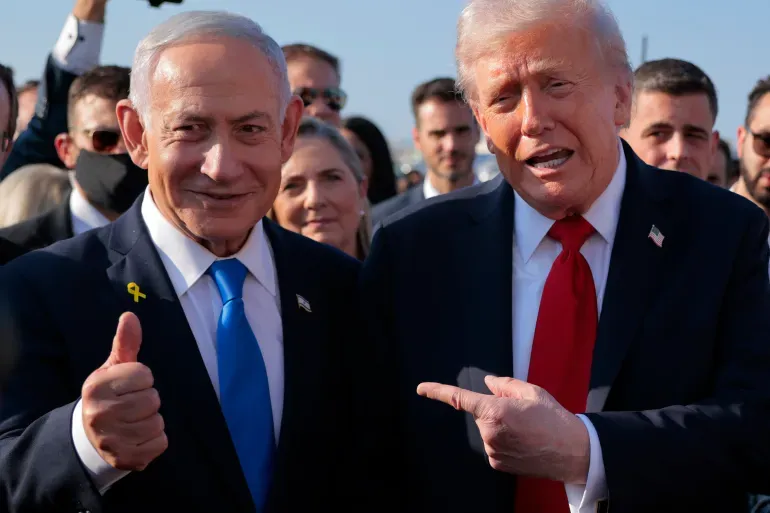
Israeli Prime Minister Benjamin Netanyahu said on Sunday that Israel would not withdraw its forces from Gaza until Hamas is fully disarmed. The position puts Israel at odds with a US-backed roadmap that envisages a phased process involving Hamas disarmament and an eventual Israeli military withdrawal.
Why Has Israel Rejected the Plan?
The central disagreement is over the timing and extent of Hamas's disarmament.
Netanyahu has insisted that Israel will not begin withdrawing its troops unless Hamas is “genuinely disarmed”. Israel is demanding the removal of heavy and light weapons and has rejected what it considers only partial or symbolic disarmament.
The Israeli government has also maintained that its security concerns must be addressed before it agrees to any significant military withdrawal from Gaza.
What Does Trump’s 15-Point Plan Propose?
The US-backed proposal seeks to establish a framework for moving Gaza towards a more stable post-war arrangement.
Under the roadmap, Hamas would surrender its weapons in stages, while an international stabilization force would work alongside a new Palestinian police force to provide security. Israel would then gradually withdraw from parts of Gaza as the conditions of the agreement are met.
The plan is designed to address both security and governance issues, but disagreements over the sequence of these steps have now emerged as the biggest hurdle.
What Is Hamas Saying?
Hamas has indicated that it remains committed to the broader roadmap, but its position on disarmament differs significantly from Israel's.
The group has sought an end to Israeli attacks and a withdrawal of Israeli forces as part of the process. Hamas has also discussed placing weapons under a US-supervised Palestinian administration rather than accepting Israel's demand for complete disarmament before a military withdrawal.
This creates a fundamental problem: Israel wants disarmament first, while Hamas wants Israeli military action and withdrawal addressed as part of the agreement.
What Happens to the Peace Process Now?
The rejection does not necessarily mean the diplomatic process is over. Netanyahu has said Israel is continuing discussions with the United States, suggesting that Washington may attempt to modify parts of the proposal to bridge the differences.
Mediators could also seek a compromise involving a phased disarmament process, security guarantees and a timetable for Israeli withdrawals.
However, reaching an agreement will be difficult as long as the two sides maintain fundamentally different conditions for moving forward.
Trump Faces a Major Diplomatic Test
The latest development represents a significant challenge for the Trump administration. Washington must now try to persuade Israel to accept a framework that involves eventual withdrawal while also convincing Hamas to give up its weapons.
The US-backed proposal was presented as a potential route towards ending the conflict, but Israel's rejection demonstrates how difficult it will be to turn the framework into a workable agreement.
What Could Happen Next?
The most likely immediate step is continued negotiations between the United States and Israel, alongside efforts by mediators to bring Hamas and other parties closer to the proposed framework.
A compromise could involve phased implementation, with verification mechanisms for disarmament and gradual Israeli troop withdrawals linked to clearly defined security conditions.
For now, however, the core dispute remains unresolved. Israel says there can be no withdrawal without Hamas's full disarmament, while Hamas has sought a broader process involving an end to Israeli attacks and troop withdrawals.
The coming negotiations will determine whether Trump's 15-point plan can be revised into an agreement—or whether the latest disagreement becomes another major setback for efforts to secure lasting peace in Gaza.

Kirti Sharma
कीर्ति शर्मा पिछले 2 वर्षों से डिजिटल पत्रकारिता से जुड़ी हुई हैं। TMINS में वह Sub Editor के रूप में कार्यरत हैं। उनकी प्रमुख जिम्मेदारियों में प्रकाशित होने वाले कंटेंट की संपादकीय समीक्षा (Editorial Review), क्वालिटी चेक, स्पॉन्सर्ड आर्टिकल्स की जांच एवं अनुमोदन शामिल है। इसके अलावा, वह Breaking News और Local News की नियमित कवरेज करती हैं तथा महत्वपूर्ण घटनाओं पर लगातार नज़र रखते हुए समय-समय पर समाचारों को अपडेट करती हैं। उनका उद्देश्य पाठकों तक तेज़, सटीक और विश्वसनीय जानकारी पहुँचाना है।


अभी तक कोई टिप्पणी नहीं है। अपने विचार साझा करने वाले पहले व्यक्ति बनें!
By signing in, you agree to our Terms of Service and Privacy Policy.

One Account. Full Access.
टिप्पणी लिखें
बातचीत में शामिल होने के लिए कृपया साइन इन करें।
टिप्पणी करने के लिए साइन इन करेंखाता नहीं है? साइन अप करें