मुख्य बिंदु
- Cyclone Arnab: Will Delhi-NCR Face Heavy Rain and Storms? पर विस्तृत जानकारी और ताज़ा अपडेट।
- सरकारी अधिकारियों और ज़मीनी संवाददाताओं के मुख्य बयान।
- ऐतिहासिक संदर्भ और बाज़ार/सामाजिक प्रभाव का विश्लेषण।
- नीचे पूरा विस्तृत विवरण पढ़ें।
Cyclone Arnab: Will Delhi-NCR Face Heavy Rain as the Storm Moves Towards North India?
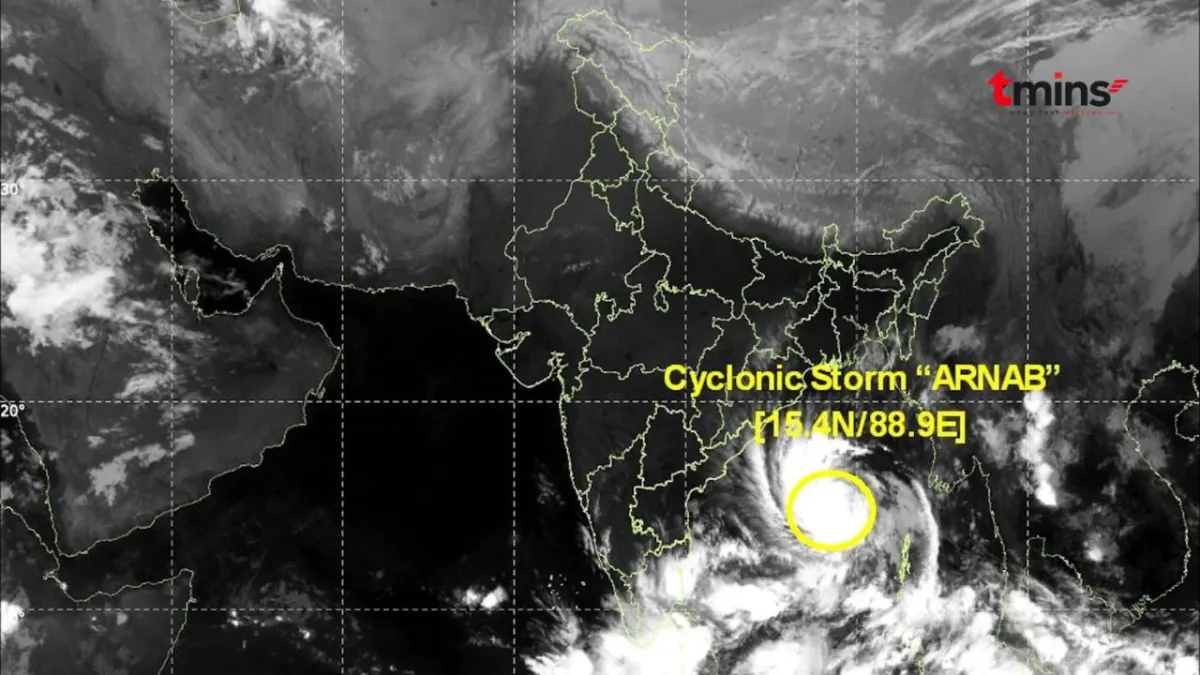
Cyclone Arnab has intensified into a very severe cyclonic storm over the Bay of Bengal, raising concerns about its potential impact on several parts of India. The India Meteorological Department (IMD) has forecast that the cyclone will cross the Andhra Pradesh and Yanam coasts on October 28, with strong winds and heavy rainfall expected in vulnerable coastal regions. As the storm moves inland after landfall, attention is turning towards Uttar Pradesh, Bihar, Jharkhand and other parts of northern India. The possibility of its remnants interacting with weather systems approaching from Pakistan has also raised questions about rainfall over the northern plains, including Delhi-NCR. However, the extent of the impact will depend on the cyclone's movement after landfall and the interaction of atmospheric conditions. Delhi-NCR should not be considered at risk of destructive cyclone-force winds based on the current information alone.
Cyclone Arnab: When and Where Will It Make Landfall?
Cyclone Arnab developed over the Bay of Bengal in October 2026. The weather system intensified into a cyclonic storm on October 26 before strengthening further over the west-central Bay of Bengal. According to the IMD's forecast, the cyclone is expected to cross the Andhra Pradesh coast between Bapatla and Visakhapatnam, near Yanam, by the forenoon of October 28. At landfall, it could produce sustained wind speeds of 115–125 kmph, with gusts reaching 140 kmph. Coastal Andhra Pradesh and parts of Odisha are expected to experience significant weather impacts. Heavy rainfall, rough seas and strong winds could disrupt transport, damage infrastructure and cause flooding in low-lying areas. After landfall, the cyclone is expected to weaken as it moves inland. However, a weakening system can continue to carry substantial moisture, potentially bringing rainfall to areas far from the coastline.


Will Cyclone Arnab Reach Delhi-NCR?
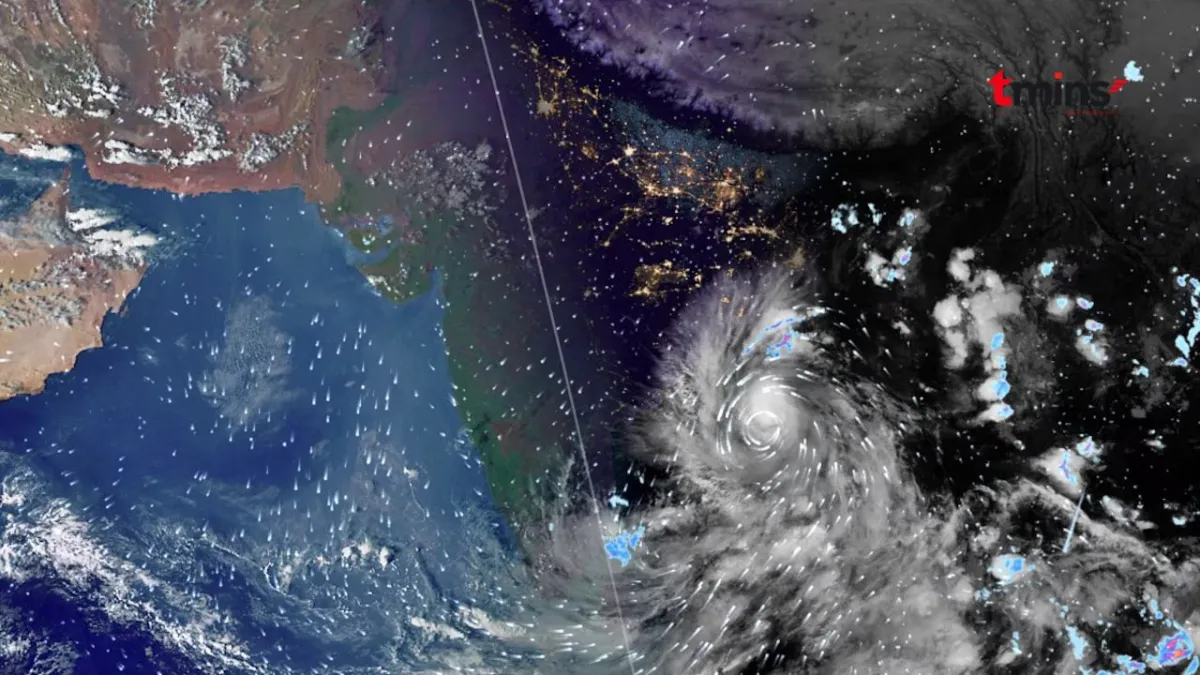
The main question is whether Cyclone Arnab will travel far enough north to affect Delhi, Noida, Ghaziabad, Gurugram and Faridabad. Cyclones generally lose strength after moving over land because they are cut off from the warm ocean waters that supply their energy. Nevertheless, their remnants can travel inland and contribute to rain and thunderstorms, depending on the prevailing atmospheric conditions. The forecast suggests that the system could move towards central and northern India after crossing the Andhra Pradesh coast. Parts of Uttar Pradesh may experience rainfall as the remnants progress inland. The IMD's reported forecast also indicates the possibility of extremely heavy rainfall in isolated parts of eastern Uttar Pradesh on October 29 and heavy to very heavy rainfall on October 30. Delhi-NCR, however, is not guaranteed to receive heavy rain from the cyclone. Its impact will depend on the system's eventual track, its remaining moisture and whether other weather systems support cloud formation and precipitation. Residents should follow updated IMD forecasts rather than assume that the cyclone will bring destructive weather to the national capital.
Could Winds From Pakistan Intensify the Weather System?
Another concern is the possible interaction between the remnants of Cyclone Arnab and weather systems moving in from Pakistan or adjoining northwestern regions. When different atmospheric systems interact, they can sometimes influence wind patterns, moisture transport and rainfall distribution. Under favourable conditions, this interaction can increase rainfall over parts of the northern plains. However, the interaction does not automatically mean that a weakened cyclone will regain its original intensity. The outcome depends on the strength, position and movement of the systems involved. Any prediction of widespread destruction, severe flooding or exceptionally strong winds across Delhi-NCR would require specific meteorological evidence. Such an outcome should not be treated as certain without an official forecast.
Which States Could Experience Heavy Rainfall?
Beyond Andhra Pradesh and Odisha, the cyclone's remnants could influence weather conditions across several inland states.
Uttar Pradesh: Parts of eastern Uttar Pradesh could receive heavy rainfall as the system moves inland.
Bihar: Rainfall is possible in parts of the state, with the reported forecast indicating heavy to very heavy rain in some areas on October 29 and 30.
Jharkhand: Some areas could experience heavy rainfall as the weather system progresses.
Chhattisgarh: Rainfall is possible around October 28 and 29.
Nepal: The eventual movement of moisture towards the Himalayan region could influence rainfall, although local conditions will determine the risk of snowfall and flooding.
These are potential regional impacts, not a guarantee that every district will experience severe weather.
What Precautions Should People Take?
People living in areas under official weather alerts should take basic precautions. Residents in coastal and low-lying locations should follow evacuation instructions issued by local authorities. Secure loose objects, keep essential medicines and drinking water ready, and avoid standing near damaged electrical poles or trees during strong winds. Fishermen should follow official warnings regarding sea conditions. In Delhi-NCR and other northern areas, residents should monitor district-level weather updates before making travel plans. Avoid waterlogged roads during heavy rainfall and follow emergency instructions if flooding occurs.
Climate Change and the Risk of Extreme Weather
Cyclone Arnab also highlights the importance of monitoring extreme weather events. Warmer ocean waters can provide more energy to tropical cyclones, although the development and intensity of an individual storm depend on several environmental factors. Climate change can influence the intensity of tropical cyclones and the rainfall associated with them, but it is not possible to attribute a particular storm solely to climate change without a dedicated scientific assessment. The bottom line: Cyclone Arnab is expected to make landfall on the Andhra Pradesh coast on October 28, with the potential for heavy rainfall in several inland states afterwards. Parts of Uttar Pradesh may be affected, but the scale of any impact on Delhi-NCR remains dependent on the storm's subsequent track and updated weather forecasts. Residents should rely on official IMD advisories instead of unverified claims about impending destruction.



टिप्पणी लिखें
बातचीत में शामिल होने के लिए कृपया साइन इन करें।
टिप्पणी करने के लिए साइन इन करेंखाता नहीं है? साइन अप करें