Bihar Floods 2026: Over 22 Lakh People Affected Across 14 Districts
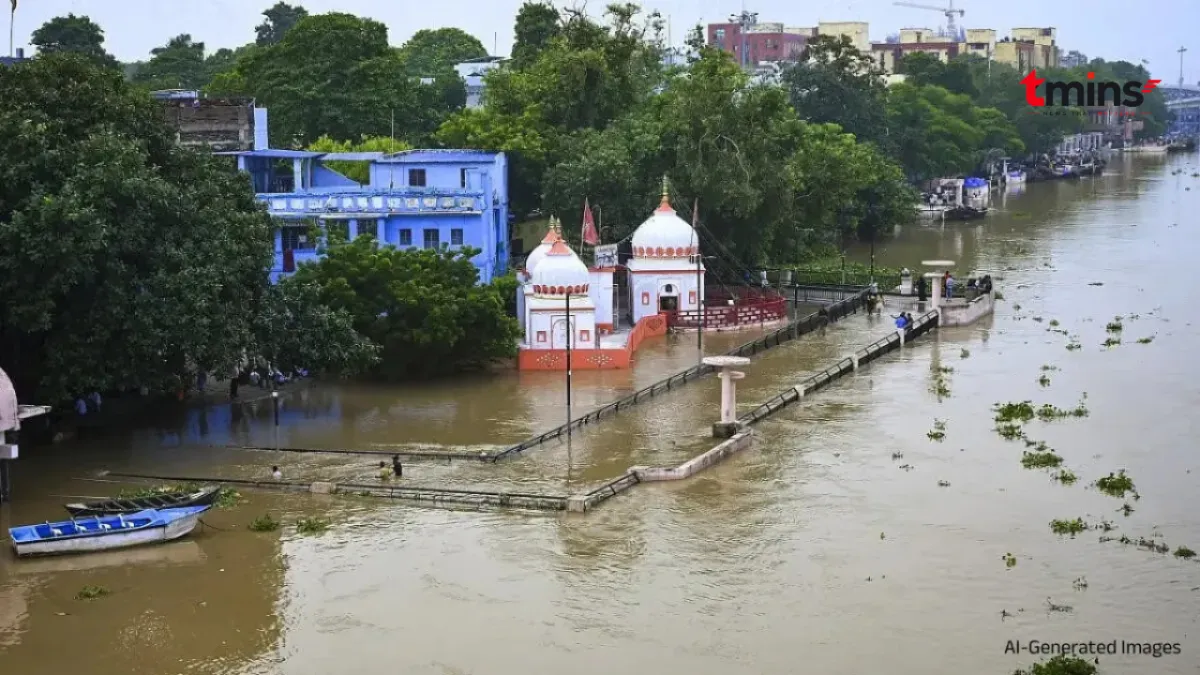
Bihar Floods 2026: About 22 lakh people are said to be affected in 14 districts. Officials say the situation turned more serious after the Ganga went past the earlier Highest Flood Level at Gandhi Ghat in Patna. After that, alerts were sent to areas downstream. Water in several big rivers has kept rising, so low areas face a higher chance of getting flooded. Bihar is known as one of the states that floods often. Its location, its river network, and strong monsoon rains all play a role. A lot of people live in places that are easy to flood. Floods also hit farms and rural work. Since agriculture is a key part of the state economy, repeated flooding can damage daily life and household income.
Ganga Crosses Previous Highest Flood Level
Patna is watching closely as the Ganga at Gandhi Ghat goes past the old high flood mark. Water levels are climbing, and low areas near the river are at higher risk. This worry does not stop at Patna. In Bihar, many districts still face danger. During the monsoon, rivers keep carrying heavy water, and officials are staying alert. Teams are tracking the river level and key vulnerable spots so they can send warnings fast and start rescue and relief work when needed.
Major Causes of Floods in Bihar
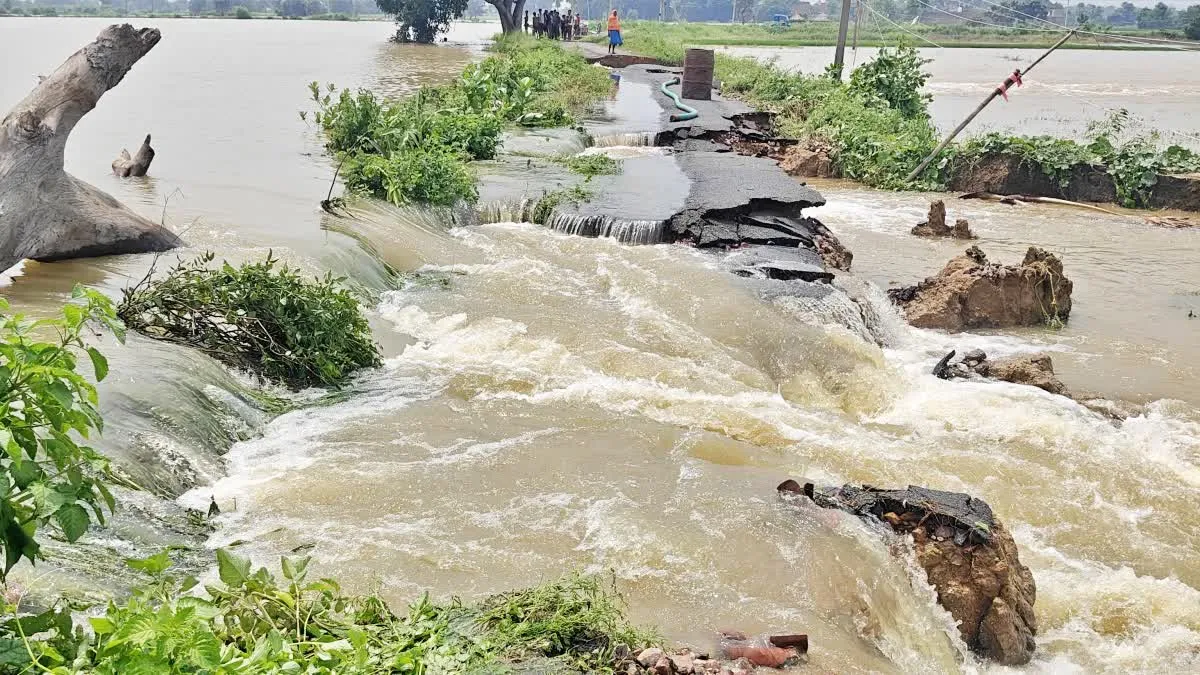
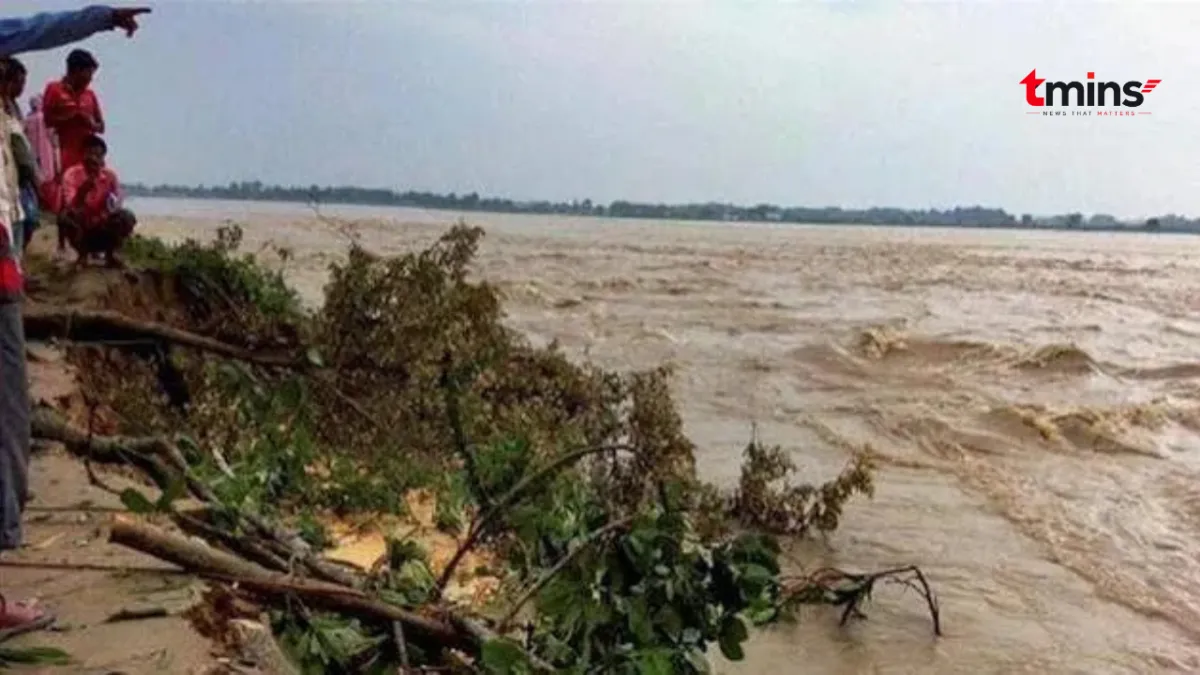
Floods in Bihar happen for several reasons at once. Natural conditions, the land shape, and people’s actions all play a role. Monsoon rains can be intense. When rain lasts for many days, rivers receive more water. In many cases, the water level rises past what the river can handle. River overflow is common in the rainy season. Rivers like the Ganga, Kosi, Gandak, and Bagmati often show sudden spikes in water height during monsoon months. Silt builds up in river channels over time. Himalayan rivers bring sand, mud, and other sediment. This can fill up parts of the riverbed. As a result, the channel carries less water. Much of Bihar is low and flat. The state has wide alluvial plains. Floodwater can spread across large areas. Draining it can also take a long time. Embankments can help but they can also create trouble. They are meant to guard towns and fields. If an embankment breaks, or gets damaged by erosion, floods can become more severe. Poor upkeep also adds risk. Clearing forests changes how land holds water. Less plant cover can lead to more runoff. Soil erosion can also increase. That extra sediment ends up in rivers. Cities and towns can worsen waterlogging. When growth is not planned well, natural drainage may get blocked. Drains and channels can be damaged or filled in. This can make standing water last longer in urban areas.
Bihar is highly vulnerable to floods for a few clear reasons
First, the river systems play a big role. Many important rivers that enter Bihar begin in the Himalayan region. During the monsoon, these rivers bring heavy water and large loads of sediment. Next, the land shape makes flooding harder to escape. Bihar has mostly flat terrain. Floodwater does not move away quickly, so water can stay longer in the same areas. People are also a key part of the risk. A large number of residents live in areas that flood often. That means more people are directly in harm’s way when rivers rise. Agriculture adds another layer of impact. Many people rely on farming for income. When floods hit, crops can be ruined, livestock can be lost, and agricultural land can be damaged. The result is often serious economic loss. Finally, some rivers come into Bihar from Nepal. Because these rivers cross borders, rain upstream can change water levels downstream. This can worsen flooding in Bihar even when the heavy rain falls outside the state.Main rivers linked to floods in Bihar
Ganga: This is the main river in Bihar. When its water rises, the floodplain can get submerged in many places.
Kosi: It carries a lot of silt. The river can also change its path over time.
Gandak: This river comes from the Himalayas. It can flood areas in the north west part of Bihar.
Bagmati: It often leads to flood water in the north of Bihar.
Burhi Gandak: When it overflows, it can spill into several districts.
Kamla Balan: This system adds to flood risk in parts of Madhubani and Darbhanga.
Ghaghra: As its levels rise, nearby areas can be hit, especially where it meets the Ganga.
Punpun: It can bring flooding in the south of Bihar, even around the Patna area.Impact of Bihar Floods 2026
The Bihar Floods of 2026 have brought big problems for people and for services. Many families had to leave their homes and seek safety in relief centers or other areas. Farms are often hit hard in this kind of disaster. Crops that are still in the fields can be ruined. Animals may also be lost, and that can hurt income in rural areas. Damage is not limited to private property. Roads, bridges, homes, and schools can get damaged or become unusable. Public facilities may also face disruptions. When water rises, travel links can break down. Roads and rail lines may stop working, so moving people and key goods becomes harder. Dirty water and long wet conditions can also raise the risk of sickness that spreads through water. Local authorities still need to keep supplies ready. They must provide safe drinking water, enough food, medicines, and other essentials for those affected.
Government Flood Handling Measures
The Bihar government uses more than one method to deal with floods. This includes forecasts, protection of embankments, drainage work, rescue support, and help after the water goes down. The Water Resources Department builds and repairs embankments. It also works on steps to stop bank erosion and protects river edges. River water levels are checked. Areas that are at risk are watched too, so warnings can be shared on time. When floods become very bad, rescue teams from NDRF and SDRF are sent out. They help with evacuation and rescue. Boats are arranged, and relief camps are set up. Community kitchens also provide food to people affected. The state puts effort into protection and drainage projects. It plans before the flood season. It then manages emergency actions during the event. After the flood, it carries out rehabilitation and relief work.Bihar Floods: Key Problems
Even with flood-control work going on, Bihar keeps running into major issues. One issue is the heavy sediment in rivers. This can shrink the space inside the river channel. Another problem is failures in embankments. When banks crack or break, water rushes in fast. Erosion can also worsen things along the river edges. Drainage is another weak point. In some areas, water stays on the land for a long time. This can happen even when river levels start to drop. Rivers that begin in Nepal add another layer. Because the water crosses borders, people in different regions need to coordinate. They also need to share information quickly so response time does not slip. Rain trends are shifting too. There can be sudden downpours and very heavy rain spells. This makes forecasting harder. It also tests disaster preparedness. Many people live in high-risk areas. A large share of them depend on farming. Because of that, moving people to safer places and running relief and rehabilitation efforts is not simple.
Next Steps
The Bihar Floods 2026 situation shows why early alerts matter. It also shows the need for evacuation that actually works. Embankments need closer checks. Drainage systems also have to improve. Long-term planning will depend on joint work. Disaster agencies, water officials, and local residents all have roles. Reports say more than 22 lakh people were affected across 14 districts. Because of that, river-level checks cannot pause. Relief efforts also need to arrive on time. Authorities are trying to protect people who are most exposed.
Note: Flood conditions can shift quickly. Any numbers and local details should be confirmed using official updates from government offices and disaster-management teams.




टिप्पणी लिखें
बातचीत में शामिल होने के लिए कृपया साइन इन करें।
टिप्पणी करने के लिए साइन इन करेंखाता नहीं है? साइन अप करें