
मुख्य बिंदु
- Why a SpaceX Falcon 9 Rocket Is Heading Toward the Moon This Week पर विस्तृत जानकारी और ताज़ा अपडेट।
- सरकारी अधिकारियों और ज़मीनी संवाददाताओं के मुख्य बयान।
- ऐतिहासिक संदर्भ और बाज़ार/सामाजिक प्रभाव का विश्लेषण।
- नीचे पूरा विस्तृत विवरण पढ़ें।



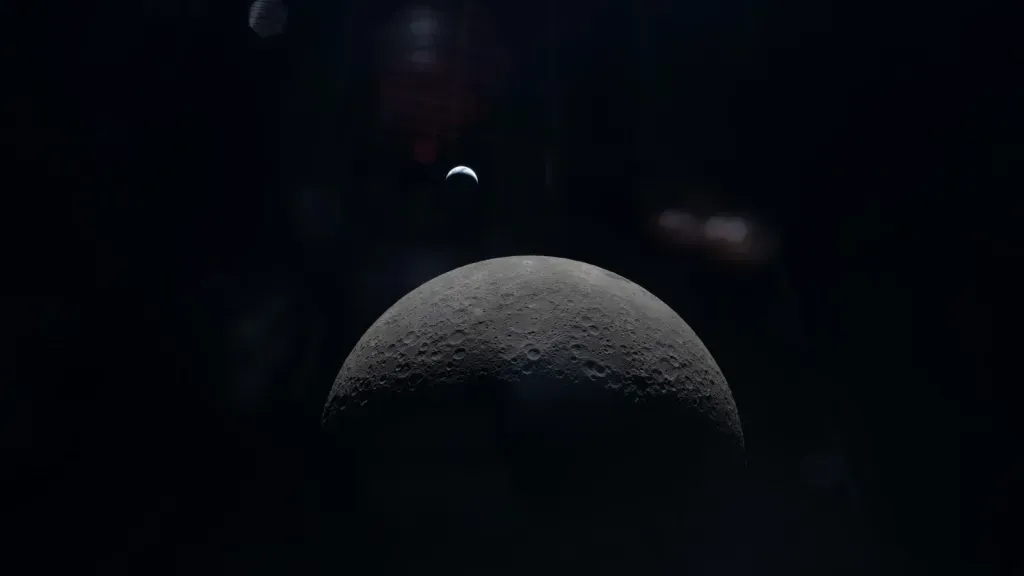
A SpaceX Falcon 9 rocket stage that was already discarded is apparently on track to collide with the Moon sometime this week, which is kind of rare and has pulled in the attention of astronomers, and also space agencies worldwide, so yeah. The thing in question is a Falcon 9 upper stage that was left drifting in space after it launched two lunar landers back in January 2025. According to current tracking it should strike the lunar surface on August 5, 2026.
This discarded stage weighs in the neighborhood of 3,900 kilograms. It’s also expected to slam into the Moon at roughly 5,400 mph, that’s about 8,700 km/h, or around seven times the speed of sound, not a small difference. Scientists say the collision should dump energy that is comparable to several tons of TNT, meaning it could carve out a fresh crater, and kick up a big plume of dust along with scattered debris. The moment of impact is expected near Einstein Crater, and it would happen on the Moon’s sunlit side. The flash from the collision may be hard to catch with the naked eye, but observers with telescopes could still look for the debris plume and basically study how material is blasted out from the lunar surface. Researchers also think this unusual encounter gives a one-off opportunity to check impact models and sharpen what we know about lunar geology, especially in that region.
Unlike Earth , the Moon doesn’t have an atmosphere to slow down objects coming in, or to really scatter debris. So the impact is expected to leave a crater that you can clearly see , and it should kick up lunar dust high above the surface. Some scientific models even suggest the ejecta could climb, like, tens of kilometers over the impact site before it gradually sinks back down onto the Moon. NASA’s Lunar Reconnaissance Orbiter and South Korea’s Danuri lunar orbiter are set to watch the region both before and after the collision. Scientists are hoping these observations will turn into useful clues about crater creation, dust motion, and the kind of hazards that upcoming lunar outposts and exploration missions might run into, because of debris impacts from space. This event also points to a tougher, ongoing issue in space exploration: how we handle abandoned spacecraft and used rocket stages. As more countries, and also private firms, keep sending missions toward the Moon, experts say better tracking plus disposal methods will matter a lot, to stop random uncontrolled impacts and to protect the future lunar infrastructure.
Even though it was accidental, the Falcon 9 collision is likely going to become one of those most closely watched lunar impact moments in recent years, giving a pretty spectacular chance for science, and also a needed reminder about the obstacles linked to space debris.



टिप्पणी लिखें
बातचीत में शामिल होने के लिए कृपया साइन इन करें।
टिप्पणी करने के लिए साइन इन करेंखाता नहीं है? साइन अप करें