मुख्य बिंदु
- Odyssey Elevators: A Closer Look at “First Electric Lift” Claims and Drum-Winding Technology पर विस्तृत जानकारी और ताज़ा अपडेट।
- सरकारी अधिकारियों और ज़मीनी संवाददाताओं के मुख्य बयान।
- ऐतिहासिक संदर्भ और बाज़ार/सामाजिक प्रभाव का विश्लेषण।
- नीचे पूरा विस्तृत विवरण पढ़ें।
Questions Around Technology, Pricing and Product Specifications Highlight the Importance of Clear Information for Home Elevator Buyers
Technology Representation Is at the Centre of the Discussion
For homeowners investing ₹10 lakh or more in a premium home
elevator, the technology installed inside the shaft is an important part of the
purchase. It can influence expectations around performance, engineering,
maintenance, safety, serviceability and price. This is why questions can arise
around how Odyssey Elevators describes the technology used in its home
elevators, particularly when prospective customers may interpret an
electric-drive description as referring to a specific lifting arrangement such
as traction, while other information may point to a drum-winding configuration.
The issue is therefore less about using one term or another and more about
whether customers receive clear and technically specific information before
making a high-value purchase. If the mechanism supplied differs from what a
buyer understood from the product description, the distinction becomes relevant
to informed consumer choice.
What Does
“Electric Lift” Actually Mean?


The fact that a home lift operates using electricity does not, by
itself, define the lifting technology. Electrical power is the energy source
used to operate the system; it does not explain the mechanism that actually
moves the elevator car. The relevant technical question is how the car is
lifted and controlled—for example, through a traction arrangement or through a
drum-winding mechanism. Different lifting mechanisms can involve different
engineering configurations, specifications and performance characteristics.
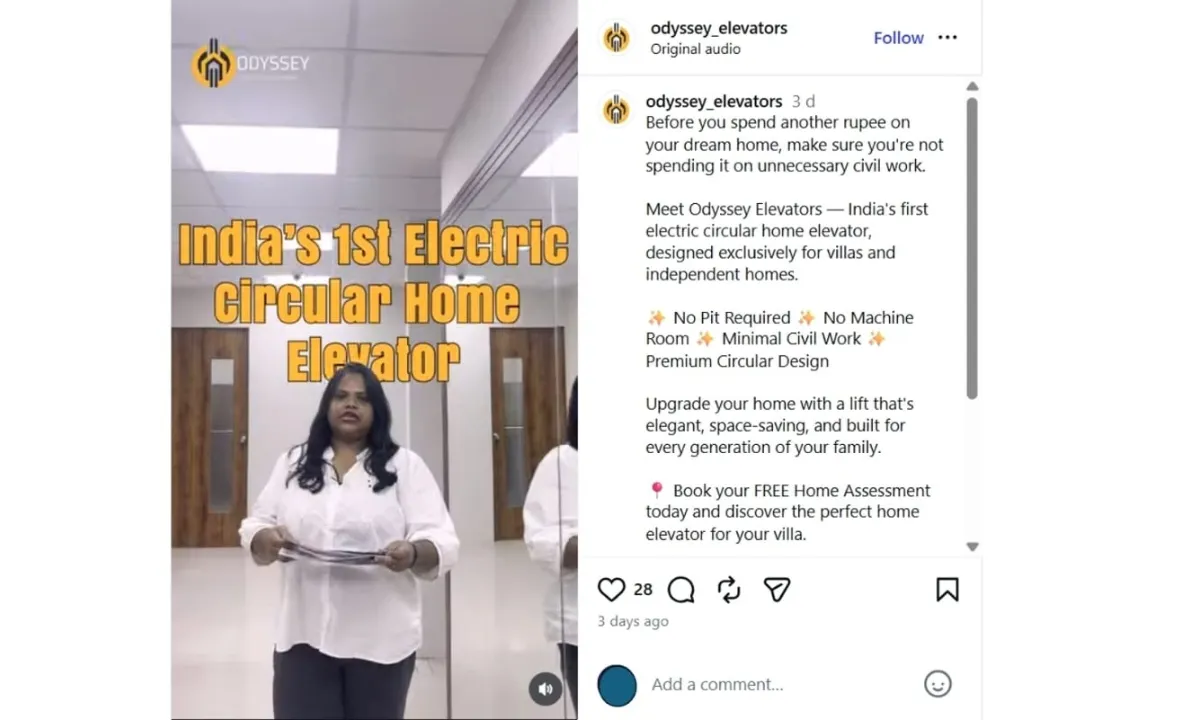
The source material reviewed for this article notes that Odyssey publicly
positions its offering around “Premium Electric Circular Home Elevators” and
advanced electric-drive technology. It also notes similar electric-drive
positioning by Brio Elevators for its circular lift. For prospective buyers,
the practical question is simply: what specific drive and lifting mechanism are
included in the elevator being quoted, manufactured and installed?
A more detailed sales process can make this easier to understand by identifying
the mechanism in technical terms rather than relying only on broad marketing
descriptions. Customers should be able to understand the specification and
scope of the product before signing a contract or making a substantial advance
payment.
Pricing
Questions Make Clear Specifications Even More Important
The technology discussion is also relevant to pricing. The source
material refers to market discussions and customer questions about the relative
equipment costs of drum-winding configurations, alongside reported prices of
approximately ₹10 lakh to ₹17 lakh for certain premium home elevators.
These figures should not, on their own, be interpreted as evidence that a
particular elevator has been incorrectly priced. The final price of a premium
elevator can include design, cabin construction, customization, installation,
civil work, controls, safety equipment, after-sales service, warranties and
other components. At the same time, when a customer is paying a significant
amount, a clear description of the underlying technology can help explain what
is included in the quoted price.
For buyers, the useful question is straightforward: does the quoted price
correspond to the complete engineering specification and package being
supplied? Clear documentation can help customers make that comparison without
relying solely on marketing terminology.
Drum-Winding
Technology Is Not the Issue by Itself
It is important to distinguish the technology itself from the
question of disclosure. A drum-winding home lift can be a legitimate lifting
technology when appropriately designed, manufactured, installed and maintained.
The discussion in the source material is therefore not that drum winding is
inherently unsafe or unsuitable.
The more useful distinction for a buyer is between describing a product broadly
as an “electric lift” and specifying whether the lifting mechanism is
traction-based or drum-winding, with an electric motor providing the power. For
a technically significant purchase, that information is most useful when it is
available before installation and clearly reflected in the quotation or
technical documentation.
Corporate
Connections Also Merit Clear Identification
The source material also discusses the corporate relationship
between Odyssey Elevators and Brio Elevators. Public corporate-information
records cited in the original document identify Venkatesh Jagabathina and Afash
Mahammad Shaik as designated partners of Brio Elevators LLP and also as
directors of Odyssey Elevators Private Limited. Odyssey’s own website is cited
as identifying Venkatesh Jagabathina as founder and CEO of both businesses.
These corporate connections do not, by themselves, indicate wrongdoing or
establish that the businesses have acted improperly. However, clear
identification of the relevant business entity can be useful for customers,
particularly where related businesses offer products with similar descriptions.
Buyers may reasonably want to know which entity is responsible for the
quotation, manufacturing, installation, warranty and after-sales service
associated with their purchase.
What
Customers Should Check Before Buying
For a high-value home elevator, buyers should request a written
technical specification before making payment. The document should identify the
drive mechanism, motor arrangement, winding method, controller, safety systems
and major components, along with the applicable warranty and service terms.
If Odyssey’s elevators use a traction-based system, the company can address
questions about the technology by providing the relevant technical
specifications and explaining how the installed mechanism operates. If a
particular model uses drum winding, that can likewise be stated clearly in the
quotation and technical documentation. This approach gives customers a concrete
basis for comparing different products.
Ultimately, the most useful approach is transparency. Customers should be able
to compare home elevators on engineering specifications, safety provisions,
service commitments and total value—not simply on premium terminology. Clear
technical disclosure can help prospective buyers understand what they are
purchasing and can also give manufacturers an opportunity to explain their
technology accurately and directly.
Backlinks
Editorial note: This article is based on the supplied source document. References to customer questions, market discussions and technical or corporate matters are presented for informational purposes and are not stated as independently established findings. The article does not make a determination of wrongdoing by any company or individual.



टिप्पणी लिखें
बातचीत में शामिल होने के लिए कृपया साइन इन करें।
टिप्पणी करने के लिए साइन इन करेंखाता नहीं है? साइन अप करें