
मुख्य बिंदु
- Sawan Ka Dwitiya Somwar 2026 पर विस्तृत जानकारी और ताज़ा अपडेट।
- सरकारी अधिकारियों और ज़मीनी संवाददाताओं के मुख्य बयान।
- ऐतिहासिक संदर्भ और बाज़ार/सामाजिक प्रभाव का विश्लेषण।
- नीचे पूरा विस्तृत विवरण पढ़ें।
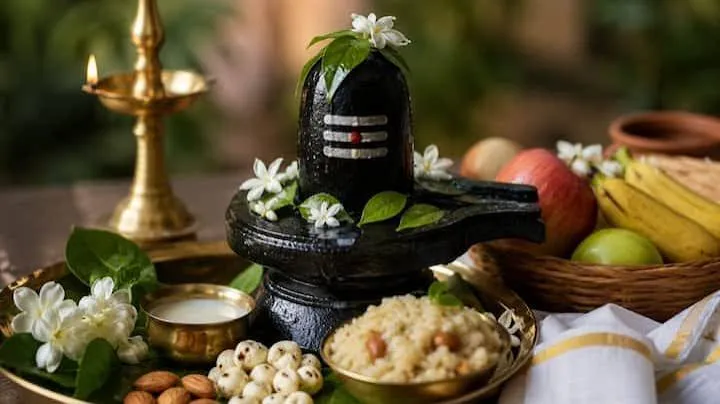
The holy month of Sawan is considered one of the most auspicious periods for worshipping Lord Shiva. Among the many religious observances during this month, Sawan Somwar holds special significance. Devotees observe fasts, perform Jalabhishek of the Shivling and offer prayers to Lord Shiva and Goddess Parvati. The second Monday of Sawan is also considered an important day for devotees seeking peace, prosperity and fulfilment of their wishes.
Religious Significance of Sawan Somwar
According to Hindu traditions, Sawan is especially dear to Lord Shiva. Devotees believe that sincere prayers and worship offered to Mahadev during this month bring divine blessings.

There are several mythological beliefs associated with Sawan. One popular tradition connects the month with the Samudra Manthan, when Lord Shiva consumed the deadly poison that emerged during the churning of the ocean. To reduce the effect of the poison, devotees and deities offered water to Lord Shiva. This is one reason why Jalabhishek remains an important part of Shiva worship during Sawan.
The Monday fast is also associated with Lord Shiva and Goddess Parvati. Many devotees observe the vrat with the hope of receiving happiness, prosperity, marital bliss and family well-being.
Sawan Dwitiya Somwar Puja Vidhi
Devotees should wake up early on Sawan Somwar, take a bath and wear clean clothes. After cleaning the place of worship, they can take a vow to observe the fast and begin the puja.
If visiting a Shiva temple, devotees can offer water and Gangajal to the Shivling. Milk, curd, honey and other traditional offerings may also be used according to one's family traditions.
After the Abhishek, devotees can offer Bel Patra, flowers, fruits, Akshat and Dhatura to Lord Shiva. Chanting “Om Namah Shivaya” during the puja is considered auspicious.
Devotees may also recite Shiv Chalisa, Shiva mantras and perform the Shiva Aarti after completing the worship.
What to Offer to Lord Shiva?
Water and Bel Patra are among the most commonly offered items during Sawan Somwar worship. Devotees may also offer milk, Gangajal, flowers and Dhatura according to their religious traditions.
While offering Bel Patra, devotees traditionally ensure that the leaves are clean and intact. Different communities may follow different customs, so following one's family tradition and local religious practices is advisable.
Sawan Somwar Vrat: What Can You Eat?
People observing the Sawan Somwar fast generally follow a satvik diet. Depending on their tradition, devotees may consume fruits, milk, curd, nuts, sabudana and preparations made from buckwheat or water chestnut flour.
Some devotees observe a strict fast, while others follow a fruit-based or one-meal vrat. Fasting practices can vary from person to person and region to region.
Those who need regular meals or medication should prioritize their health and consult a medical professional before undertaking a strict fast.
Things to Keep in Mind on Sawan Somwar
Devotees traditionally try to maintain purity in their thoughts, speech and actions during Sawan Somwar. It is considered a day for prayer, meditation and devotion.
While visiting temples, devotees should maintain cleanliness and follow temple guidelines. The essence of Sawan Somwar is devotion and faith rather than elaborate rituals.
Conclusion
Sawan Ka Dwitiya Somwar is an important occasion for devotees of Lord Shiva. From Jalabhishek and Bel Patra offerings to chanting “Om Namah Shivaya” and observing the vrat, devotees celebrate the day with deep faith and devotion. The festival provides an opportunity to seek Lord Shiva's blessings for peace, prosperity, good health and happiness.



टिप्पणी लिखें
बातचीत में शामिल होने के लिए कृपया साइन इन करें।
टिप्पणी करने के लिए साइन इन करेंखाता नहीं है? साइन अप करें