मुख्य बिंदु
- Radha Ashtami 2026: Vrat, Puja Vidhi & Significance पर विस्तृत जानकारी और ताज़ा अपडेट।
- सरकारी अधिकारियों और ज़मीनी संवाददाताओं के मुख्य बयान।
- ऐतिहासिक संदर्भ और बाज़ार/सामाजिक प्रभाव का विश्लेषण।
- नीचे पूरा विस्तृत विवरण पढ़ें।
Radha Ashtami 2026: Vrat, Puja Vidhi and Spiritual Significance
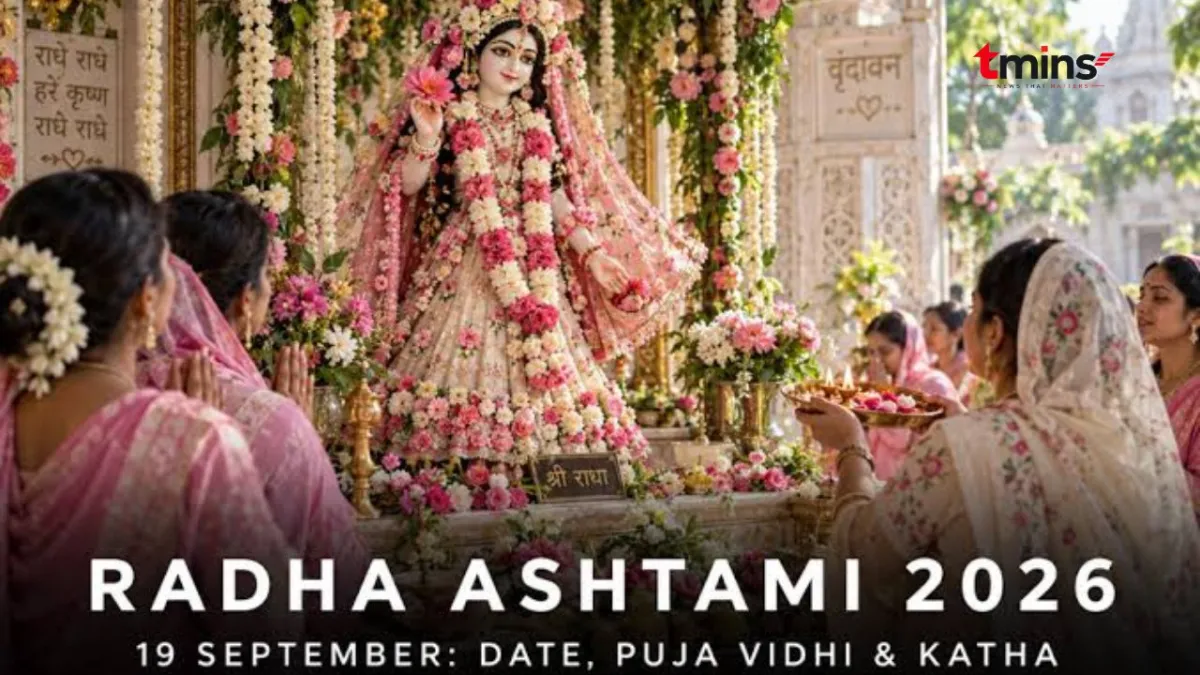
The occasion of Radha Ashtami 2026 will be celebrated on September 19, 2026. The festival takes place on Ashtami Tithi on Shukla Paksha of the Hindu month Bhadrapada. It is the day of worshipping Sri Radha, who plays a crucial role in the devotion of Lord Krishna. The above details in Panchang of Ujjain indicate that Ashtami Tithi begins on September 18 at 1:01 PM and ends on September 19 at 3:27 PM. On September 19, the sun rises at 6:18 AM and sets at 6:23 PM. Timings could differ based on the region. Radha Ashtami is usually celebrated 15 days after Janmashtami and is considered significant for the devotees practicing bhakti marga.
Significance of Radha Ashtami
Radha is considered in Vaishnava tradition to be the eternal consort of Lord Krishna as well as the incarnation of divine love. It has been described in devotional writings and tradition that Radha is the ultimate divine energy (Shakti) of Lord Krishna. In the Brahma Vaivarta Purana, Radha is referred to as the original divine energy, from whom all the other incarnations of divinity like Lakshmi and Saraswati have derived their powers. Her birth is linked to the divine mission of performing divine sports (Lila). Traditionally, Radha is considered to have been born to King Vrishabhanu and Queen Kirti in Barsana. There is also one devotional myth about her where it is said that Radha had kept her eyes closed since birth and opened her eyes on meeting Lord Krishna.
Fast for Radha Ashtami Vrat
It is one of the essential rituals of Radha Ashtami Vrat. In the Gaudiya Vaishnava sampradaya, devotees usually undertake a fast till noon because it is said that Radha was born at noon. The devotees can pray, meditate and read about Radha and Krishna throughout the fasting time. It is important to note that there can be variations in fasting depending on one’s traditions or family customs. While fasting, those undertaking the fast need to consider the usual rules and their health needs as well.
Puja Vidhi on Radha Ashtami
Devotees start the day with bathing and preparing a place for puja. The idols or pictures of Radha and Krishna are adorned with flowers and offerings made to them. The usual offerings during puja are usually abhisheka, flowers, sweets, fruits, incense, and lightings. Devotees also perform kirtans and chant prayers about the glory of Sri Radha. Devotees observe the required fasting ritual and later perform bhog after the completion of the same as per their family or tradition. Chanting the names of Radha and Krishna is also another ritual performed on the day.
Radha and Krishna in Bhakti Philosophy
The teachings of Vaishnava philosophers like Rupa Goswami and Jiva Goswami describe Radha as a personification of mahabhava, that is, the highest and intense form of divine love. Gaudiya Vaishnava theology refers to Lord Krishna as Shaktiman or the Supreme Enjoyer, and Goddess Radha as Shakti or supreme divine energy of Lord Krishna. Thus, their relationship symbolizes divine love, devotion and ananda or bliss. Therefore, for the devotees, Radha Ashtami is not merely a festival or a day of fasting but an occasion to remember devotion, humility, love and divine remembrance. Thus, as devotees celebrate Radha Ashtami 2026 on September 19, prayers, fasting, kirtan and worship of Radha and Krishna will be a major part of the festival.



टिप्पणी लिखें
बातचीत में शामिल होने के लिए कृपया साइन इन करें।
टिप्पणी करने के लिए साइन इन करेंखाता नहीं है? साइन अप करें