मुख्य बिंदु
- UPI Transaction Charges: Rahul Gandhi’s Big Claim पर विस्तृत जानकारी और ताज़ा अपडेट।
- सरकारी अधिकारियों और ज़मीनी संवाददाताओं के मुख्य बयान।
- ऐतिहासिक संदर्भ और बाज़ार/सामाजिक प्रभाव का विश्लेषण।
- नीचे पूरा विस्तृत विवरण पढ़ें।
UPI Transaction Charges: Rahul Gandhi Alleges US Pressure on Modi Government
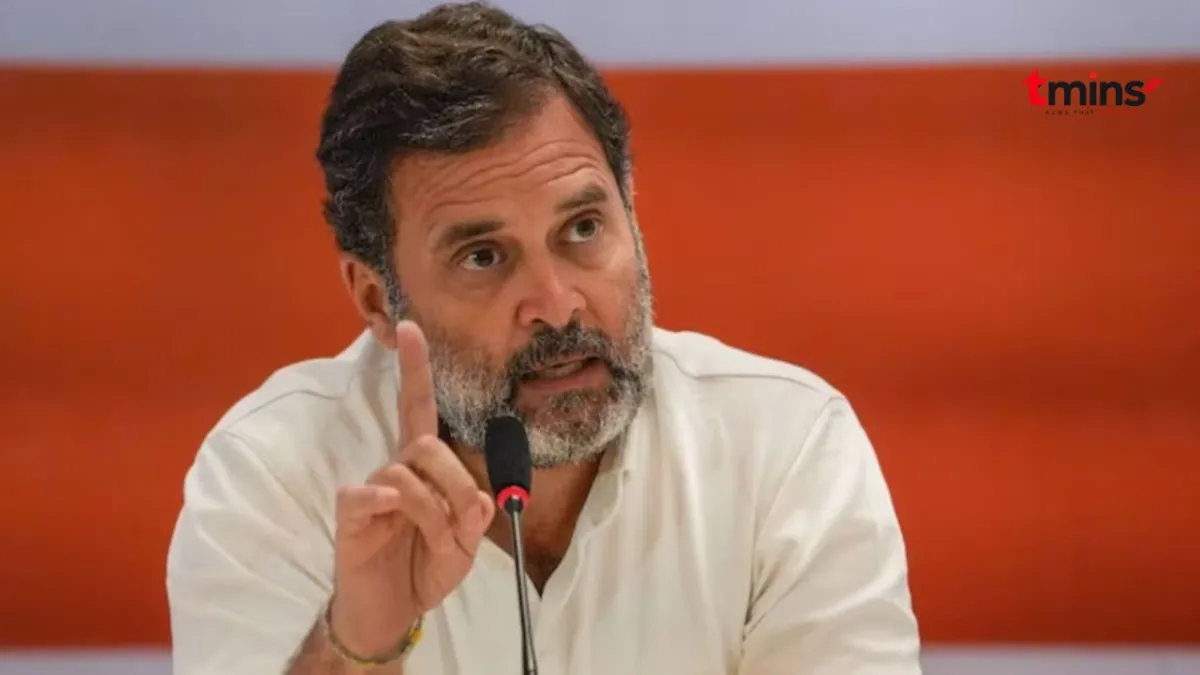
UPI Transaction Charges have emerged as a political issue following the allegation made by Congress leader Rahul Gandhi against the Narendra Modi-led government of making a provision for collecting MDR on merchant UPI transactions above a certain threshold. Gandhi compared his allegation with the current debate on US-India trade pact and said that the Modi government is succumbing to the demands of Americans. In a post on the social networking site X, Congress leader Rahul Gandhi said that the government has "quietly" made a provision for charging fees for merchant UPI transactions above ₹2,000. According to Rahul Gandhi, despite comprising just about 5% of the total number of UPI transactions, such merchant UPI transactions contribute 65% to the total transaction volume.
Rahul Gandhi Challenges UPI Fee Proposal
Rahul Gandhi stated that even though there may not be any direct transaction fee on the consumers’ account, the merchants may ultimately impose an extra cost on their customers through increased prices. He raised doubts about the source of the funds, in case the merchants have to bear the cost of the transaction fees for using UPI. As per him, it is possible for the merchants to charge such costs indirectly through increased prices for the products and services they provide. The Congress leader further said that the US payment firms have been fighting against the Indian government’s zero-MDR for digital payments policy since quite some time. He said that the latest initiative of the government may bring the country near to the point the US payment companies want.

Issue Linked With US-India Trade Agreement by Congress
Congress leader Rahul Gandhi directly compared the UPI issue with the trade agreement being discussed between the US and India. In his opinion, PM Narendra Modi again surrendered to American pressure. In his statements, he has politicized the whole UPI reform issue into a more wide-ranging discussion about India’s policy on digital payments, its enterprises, and foreign payment companies. Nevertheless, the above statements are only political assessments of the policy by the Congress leader.
What is the current fee structure in UPI?
India has positioned itself to adopt UPI as an affordable mode of making payments digitally, and has kept a no-MDR policy in place for certain transactions. As per the information presented in the political discourse, banks and service providers of the payment system have been told not to charge fees for transactions up to ₹2,000 or RuPay debit card payments within the given framework. The new issue is about transactions exceeding ₹2,000, and whether there are any openings for charging for such transactions in the present set of policies.
Questions by Jairam Ramesh Too
There have been criticisms from Congress general secretary Jairam Ramesh regarding the matter as well. He raised doubts about whether this will ultimately be beneficial for US firms and wondered whether there is some connection to appeasing former US President Donald Trump. Ramesh contended that the government is employing the changes in the Payment and Settlement Systems Act, 2007 to establish a basis for charging for UPI payments. Moreover, he stated that while the clauses safeguard against any charges for amounts under the threshold amount, there is no such safety for amounts above ₹2,000.
Why the Issue is Important
UPI has emerged as one of India's crucial digital payment methods and is widely used by customers as well as small businesses and retail stores. Consequently, any change to the current fee structure could have business and consumer implications. From a business perspective, any MDR could be another cost associated with a transaction. From the consumer perspective, the question is whether the businesses would absorb the cost or charge it in their prices of products/services. The matter of debate is also important since UPI played a key role in India's shift towards digital payments. The zero-MDR was one of the key drivers behind its adoption by both merchants and consumers. In terms of political debate, the crucial thing here is whether any formal decision regarding introduction of charges to high-value merchant UPI transactions will be made and, if yes, what form it will take. At present, the issue is being used by Rahul Gandhi and the Congress Party to discuss issues of transparency and costs for consumers as well as pressure from abroad to change India's digital payment policy.



टिप्पणी लिखें
बातचीत में शामिल होने के लिए कृपया साइन इन करें।
टिप्पणी करने के लिए साइन इन करेंखाता नहीं है? साइन अप करें