
मुख्य बिंदु
- Sonam Wangchuk Hails Dharmendra Pradhan’s Resignation as ‘Victory of Democracy’, Credits Peaceful Public Pressure पर विस्तृत जानकारी और ताज़ा अपडेट।
- सरकारी अधिकारियों और ज़मीनी संवाददाताओं के मुख्य बयान।
- ऐतिहासिक संदर्भ और बाज़ार/सामाजिक प्रभाव का विश्लेषण।
- नीचे पूरा विस्तृत विवरण पढ़ें।
Education reformer and climate activist Sonam Wangchuk has welcomed the resignation of Union Education Minister Dharmendra Pradhan, describing the development as an important moment for democratic accountability and public participation.
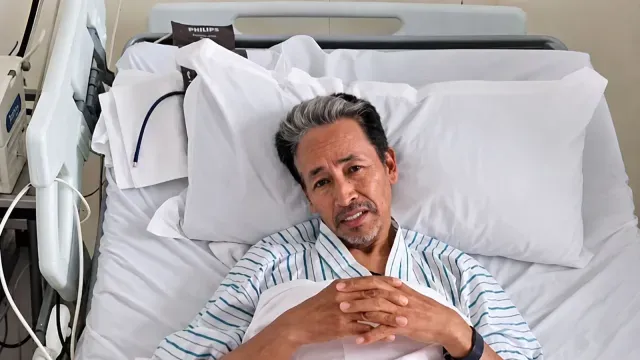
In his first reaction to the development, Wangchuk thanked citizens for coming forward and raising their voices on issues concerning the education system. He said the response of people, particularly students and young citizens, showed that public participation could play an important role in a democracy.


“Thank you all citizens for shedding fear,” Wangchuk said while reacting to Pradhan’s resignation. He also described the development as a victory for democracy.
The resignation comes at a time when concerns over India’s examination system have been at the centre of public and political debate. Students and aspirants across the country have repeatedly raised questions about examination irregularities, paper leaks, delays, cancellations and the lack of clarity in the conduct of major competitive examinations.
The issue has also led to demands for greater accountability from institutions responsible for conducting examinations. For students preparing for highly competitive examinations, any irregularity can have a significant impact on their academic and professional future, often after years of preparation.
Wangchuk has been among the prominent voices calling for greater accountability and reforms in the education and examination system. His public interventions have frequently focused on the need for transparency, institutional responsibility and stronger systems to protect students from the consequences of administrative failures.
Reacting to the resignation, Wangchuk’s message appeared to place the development within the larger context of citizens raising their voices against issues they believe require government attention. His comments also reflected the significance of peaceful public pressure in bringing national attention to matters affecting students and families.
The development has sparked reactions across political and social circles, with the resignation expected to fuel further discussion about the functioning of India’s examination system and the measures needed to prevent irregularities in the future.
The debate over examination reforms has gained importance in recent years as millions of students appear for entrance tests and recruitment examinations every year. Any disruption in the process can affect a large number of candidates, creating uncertainty over their academic and career plans.
Experts and student groups have often called for stronger examination security, better coordination between agencies, improved use of technology and clear communication with candidates. They have also stressed the need for timely action when complaints related to examination irregularities emerge.
While Wangchuk has welcomed the resignation, the larger questions raised during the public debate are likely to remain central in the coming days. The focus is expected to shift towards the next steps, including how concerns related to examination transparency and accountability are addressed.
The resignation has also renewed attention on the role of public movements in democratic decision-making. For supporters of Wangchuk’s position, the development represents the importance of citizens speaking out on issues that directly affect them.
However, the future direction of the education and examination system will depend on the steps taken after the political development. Students and aspirants are likely to look for concrete reforms rather than only administrative changes.
Wangchuk’s reaction, therefore, has become part of a broader conversation about accountability in public institutions and the importance of ensuring that students do not bear the cost of systemic failures. His message of thanking citizens for “shedding fear” underlines the larger significance he attaches to public participation and peaceful democratic expression.
The latest development is likely to keep the focus on examination reforms, student concerns and the need for greater transparency in the systems that govern some of the country’s most important competitive examinations.



टिप्पणी लिखें
बातचीत में शामिल होने के लिए कृपया साइन इन करें।
टिप्पणी करने के लिए साइन इन करेंखाता नहीं है? साइन अप करें