मुख्य बिंदु
- Why India’s Older Generations Must Reflect on the Crisis Facing Gen Z पर विस्तृत जानकारी और ताज़ा अपडेट।
- सरकारी अधिकारियों और ज़मीनी संवाददाताओं के मुख्य बयान।
- ऐतिहासिक संदर्भ और बाज़ार/सामाजिक प्रभाव का विश्लेषण।
- नीचे पूरा विस्तृत विवरण पढ़ें।
Gen Z’s Parents Must Answer for the Politics That Created Today’s Crisis: Pratap Bhanu Mehta
Political Choices of the Past Are Shaping Gen Z’s Reality
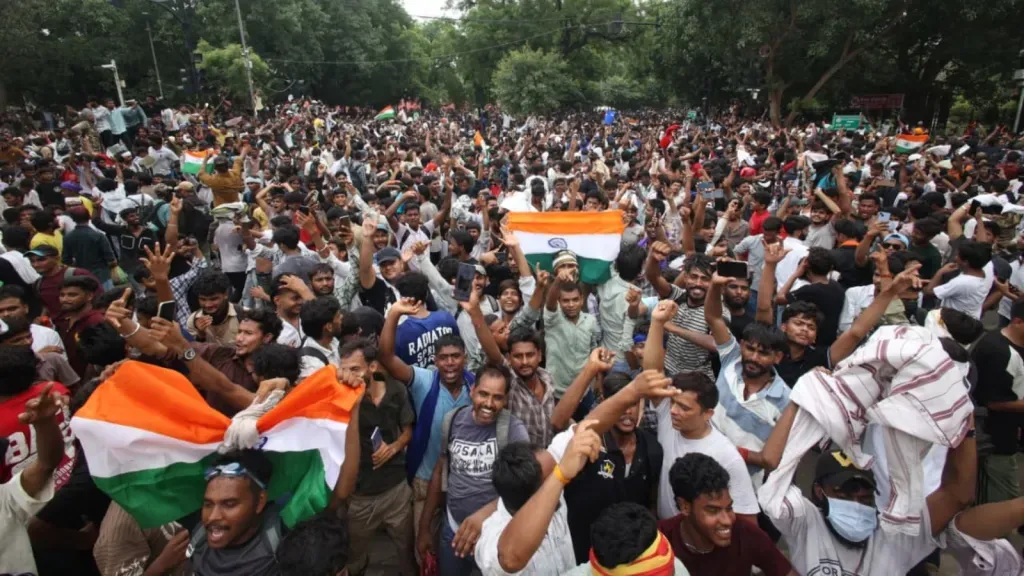
Political commentator and public intellectual Pratap Bhanu Mehta has stirred up a real debate by claiming that the problems India’s younger generation is dealing with today are tied up, pretty closely, with the political calls made by their parents’ generation. When he spoke about what looks like increasing frustration among young Indians, Mehta said that things like unemployment, eroding trust in institutions, educational confusion, and sharper social divisions aren’t just sudden surprises, but rather the outcome of choices that accumulated across decades. Mehta’s view is that a lot of young people are basically inheriting a system that was built around short term political priorities, where long haul institutional strength and accountability were often… kind of overlooked. He argued that while Gen Z is now expected to live with and navigate these troubles, the real roots of many of today’s issues were planted long before many of them even stepped into public life. These remarks have landed well with a growing part of young Indians, the ones who feel strangely detached from the usual political stories, and who keep pressing for change.
Youth Movements Reflect Growing Demand for Accountability
India’s younger set has started getting more loud in recent years, using online spaces and also public showings to bring up worries about jobs, schooling, governance, and transparency. Like, a handful of youth-led protests, and smaller campaigns too, have surfaced frustrations tied to exam controversies, recruitment delays and generally the smaller number of chances that young citizens feel they can actually reach. Mehta thinks these kinds of movements aren’t just one off events, but rather signals of some wider change in how people think. Gen Z, he says is getting more politically sharp and less okay with explanations that just don’t touch the real, systemic problems. And then social media, has made it easier for young voices to travel faster, so they can question institutions directly, and ask for accountability, from the people who make policies. Analysts say this rising involvement might stick around and shape India’s political terrain for longer, because young voters are starting to lean more toward good governance, economic openings, and institutional credibility, instead of old school political loyalties.
A Call for Reflection Across Generations
Even if criticism is often aimed at governments, and the actual political leaders, Mehta sort of pushed back on that idea. He said democratic accountability does not stop with the people holding power or the ones who are loudest in parliament. In his view, citizens who kept choosing the same policies, ideologies, and political cultures over and over, they also have to think about the part they played in building the current environment. Honestly his remarks, they opened up a wider conversation, especially about what “intergenerational responsibility” really means. A lot of observers are now arguing over whether older generations should, at some point, recognize the long-term consequences that came from their political decisions. The core of Mehta’s point is that real reform can’t rely only on political change. It also needs a plainspoken evaluation of how society ended up where it is today, and why. And as India’s Gen Z continues to show up more strongly as a distinct voice in public conversation, the questions about who is responsible, who is accountable, and where the country should head next, they are likely to stay right at the center of the national debate. The discussion that Mehta started seems to underline a sense, that to understand the present crisis you cant just stare at what happened yesterday or the immediate events, you have to look at the political choices that quietly shaped everything leading up to now.

Vinay kumar mishra
टीमाइन्स न्यूज़ डेस्क आपके लिए भारत और दुनिया भर से 24/7 सटीक, निष्पक्ष और ब्रेकिंग न्यूज़ लाता है।


CGHS Rule Change: कर्मचारियों के लिए बदले नियम
Radha Ashtami 2026: राधा रानी की प्रिय 4 राशियां


अभी तक कोई टिप्पणी नहीं है। अपने विचार साझा करने वाले पहले व्यक्ति बनें!
By signing in, you agree to our Terms of Service and Privacy Policy.

One Account. Full Access.
टिप्पणी लिखें
बातचीत में शामिल होने के लिए कृपया साइन इन करें।
टिप्पणी करने के लिए साइन इन करेंखाता नहीं है? साइन अप करें