
मुख्य बिंदु
- Over 31 Lakh Nurses Still Outside National Tracking System पर विस्तृत जानकारी और ताज़ा अपडेट।
- सरकारी अधिकारियों और ज़मीनी संवाददाताओं के मुख्य बयान।
- ऐतिहासिक संदर्भ और बाज़ार/सामाजिक प्रभाव का विश्लेषण।
- नीचे पूरा विस्तृत विवरण पढ़ें।
Only 14.24 lakh of India’s 46.02 lakh registered nurses are enrolled in the NRTS, exposing significant implementation gaps across states.
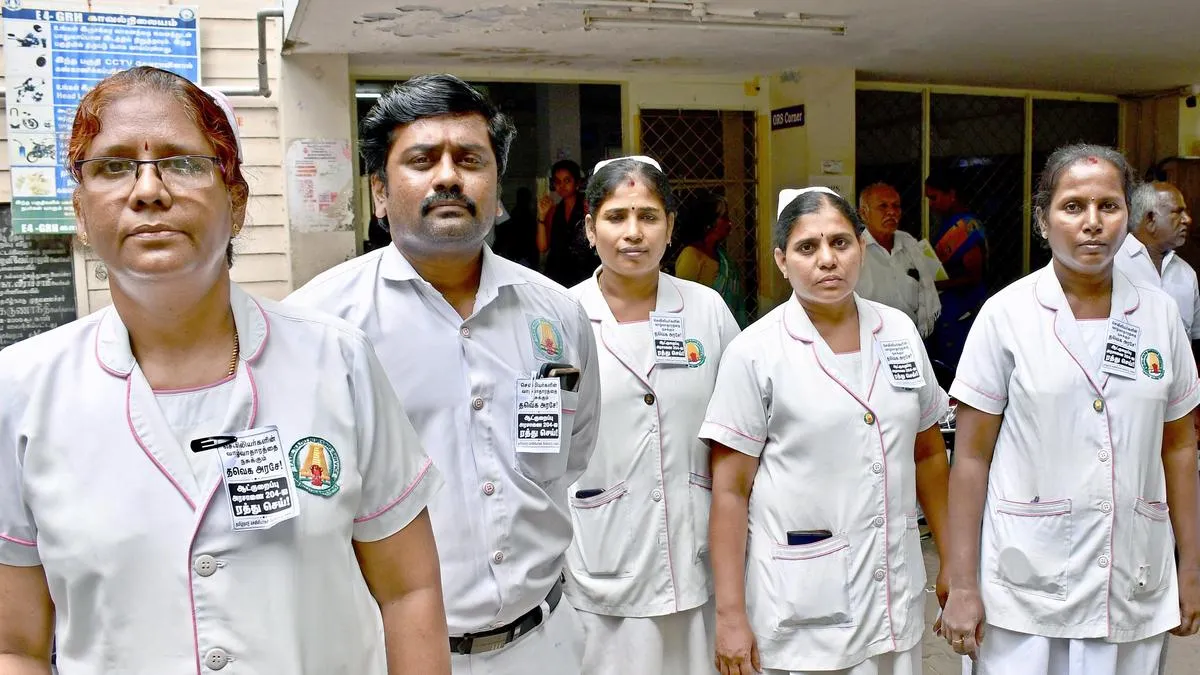
New Delhi, August 10 2026: After more than seven years since the Nurses Registration and Tracking System, (NRTS) was launched, a sizable share of India’s registered nursing workforce still sits outside the national digital registry, and that’s starting to raise real worries about how fast the rollout is happening in different states. Figures shared by the government in the Lok Sabha last month show that only 14.24 lakh out of 46.02 lakh registered nursing personnel are enrolled on the platform. So basically, more than two thirds of the nursing work force has not yet been brought into the system. NRTS was introduced by the Indian Nursing Council (INC) with the goal of building a centralized national database for nursing professionals. The platform was meant to make registration, renewal, verification and even monitoring of nurses smoother, while also keeping things transparent and reducing duplication of records across states. It also intends to support easier state to state movement of nurses through one unified digital registry. But in practice, rollout has been uneven, not exactly same everywhere. Several big states are said to be moving slower on enrolling their nursing personnel, and this is creating noticeable holes in the national database. Health policy experts say that when enrollment is incomplete, it becomes harder for the government to gauge the workforce correctly, spot shortages in time and then plan healthcare services in a reliable way.
The trouble shows up right when India is still struggling with bolstering its healthcare workforce. As per official reports, India had 46.02 lakh registered nursing personnel by December 2025, so the nurse to population ratio sits at 2.60 nurses for every 1,000 people. That is still a bit under the World Health Organization benchmark, which is three nurses per 1,000 population. On top of that, uneven distribution stays in the spotlight: certain regions have much thinner coverage of nursing professionals, and the nurse-population ratios vary quite a lot from state to state. People who back the NRTS say that full rollout could sort out a lot, including more practical workforce planning, tougher regulatory checks, and a clearer way to confirm qualifications. They also point out that this digital platform could act like a steady window into real-time workforce numbers, and in turn it could assist public health planning without so much guesswork. With healthcare needs still increasing, many experts think speeding up enrollment into the NRTS will be key for building a more complete and dependable national nursing registry. The newer numbers have, once again, sparked calls for state nursing councils and healthcare authorities to move faster on the integration, so that all the registered nursing professionals end up on the platform.






टिप्पणी लिखें
बातचीत में शामिल होने के लिए कृपया साइन इन करें।
टिप्पणी करने के लिए साइन इन करेंखाता नहीं है? साइन अप करें