
मुख्य बिंदु
- Lok Sabha Passes Bill That May Allow Charges on UPI Transactions पर विस्तृत जानकारी और ताज़ा अपडेट।
- सरकारी अधिकारियों और ज़मीनी संवाददाताओं के मुख्य बयान।
- ऐतिहासिक संदर्भ और बाज़ार/सामाजिक प्रभाव का विश्लेषण।
- नीचे पूरा विस्तृत विवरण पढ़ें।
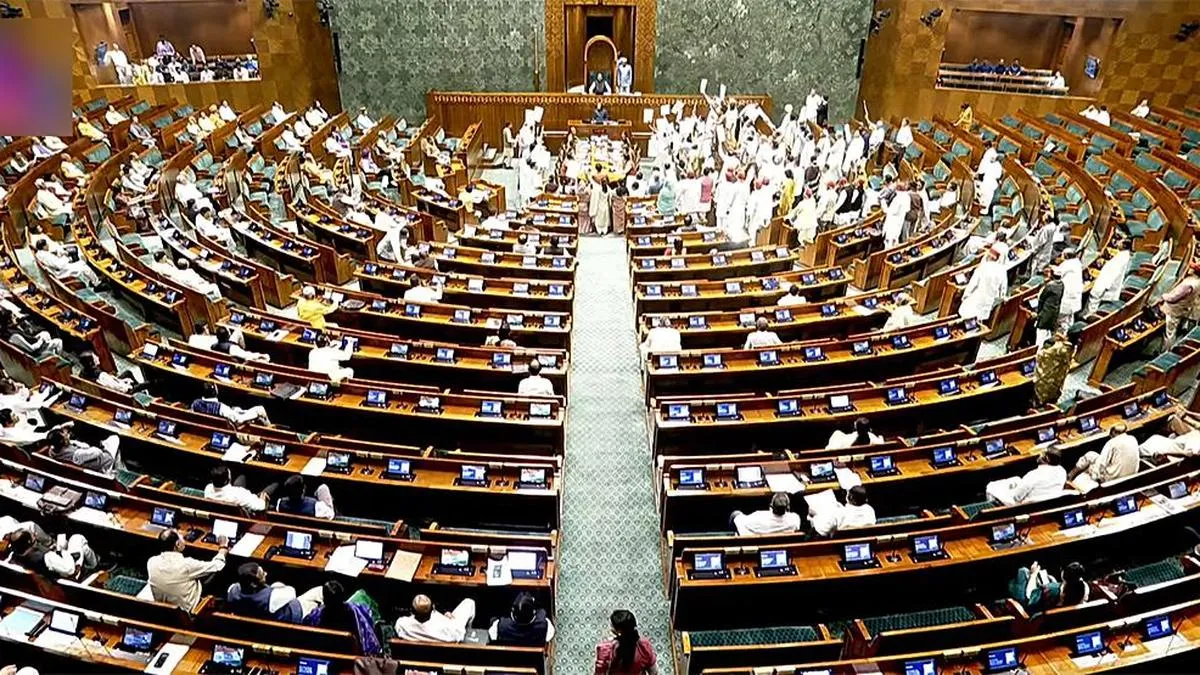
Lok Sabha Passes Bill that could pave the way for charges on select UPI transactions
On Thursday, the Lok Sabha managed to pass a few amendments to the Payment and Settlement Systems (PSS) Act, 2007, and in doing so it gave the central government the power to permit banks and payment service providers to levy charges on Unified Payments Interface (UPI) transactions, plus other notified digital payment modes. This step kind of becomes a major policy shift, and it basically lays down a legal framework for what could later look like the return of the Merchant Discount Rate (MDR) on digital payments.
Focus on Merchant Charges, Not Individual Users
The proposed changes do not automatically put charges on UPI transactions. Instead , they sort of give the government the leeway to decide if fees should be levied and on what set of conditions. Right now, most of the talk has been about merchant charges more than the actual fees for individual users. Policymakers are reportedly mulling MDR on high value transactions going to big businesses, but with person-to-person transfers kept free. Industry stakeholders, which includes banks and payment firms, have been saying for a while that the zero-MDR setup has made it hard to recover the expenses needed to maintain and also expand digital payment infrastructure. The government’s view is that giving more flexibility around charges could help keep the long-term viability, of India’s fast growing digital payments ecosystem.
No Final Decision on Charges Yet
Even though the bill has already been passed by the Lok Sabha, nobody has taken a final call yet on the real fee structure, it seems. Reports indicate, that there’s one option being looked at, which could place an MDR of 0.3% to 0.5% on transactions higher than ₹2,000 carried out by bigger merchants. At the same time, users, consumers and even small firms might remain eligible for free UPI services, at least for now.


What It Means for UPI Users
For now, UPI stays free for users. Still, the way the bill moves ahead, sort of hints that the government now gets the legal say to start charging later, if it thinks it is necessary. Any final call will likely juggle the need to keep digital payments affordable with the broader matter of making sure the whole payment ecosystem can stay financially sustainable.



टिप्पणी लिखें
बातचीत में शामिल होने के लिए कृपया साइन इन करें।
टिप्पणी करने के लिए साइन इन करेंखाता नहीं है? साइन अप करें