
मुख्य बिंदु
- Lok Sabha Passes Bill Allowing Government to Permit Charges on UPI, Other Digital Payments पर विस्तृत जानकारी और ताज़ा अपडेट।
- सरकारी अधिकारियों और ज़मीनी संवाददाताओं के मुख्य बयान।
- ऐतिहासिक संदर्भ और बाज़ार/सामाजिक प्रभाव का विश्लेषण।
- नीचे पूरा विस्तृत विवरण पढ़ें।
Major Change to India's Digital Payments Framework
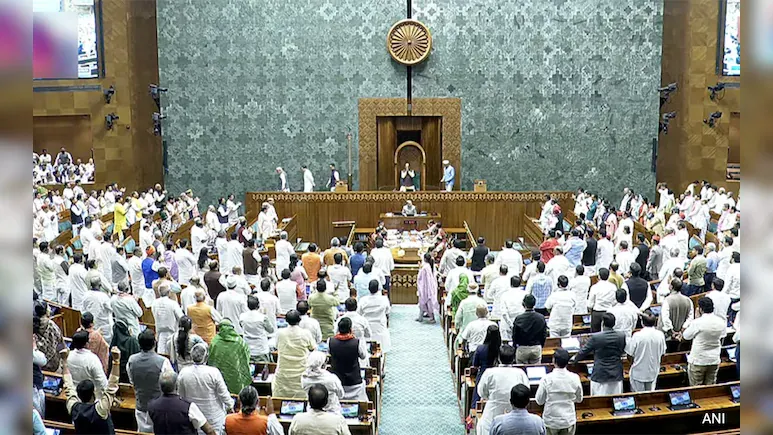
The Lok Sabha on Thursday passed a significant amendment to the Payment and Settlement Systems (PSS) Act, 2007, giving the Central Government the power to allow banks and payment service providers to levy charges on Unified Payments Interface (UPI) and other notified digital payment modes in the future.
The legislation does not immediately impose charges on UPI transactions. Instead, it creates a legal framework under which the government can authorize such fees if it decides to do so later.



What Does the Bill Change?
Under the existing framework, UPI transactions have effectively remained free due to the zero Merchant Discount Rate (MDR) policy introduced to promote digital payments.
The amendment removes the statutory restriction that prevented banks and payment service providers from charging fees on notified digital payment systems. Going forward, the Centre will have the authority to decide whether, when, and on which transactions such charges may apply.
No Immediate Charges for Users
Despite widespread discussion, the passage of the Bill does not mean UPI payments will become chargeable immediately.
Any future charges would require a separate notification by the Central Government. Until then, consumers and merchants can continue using UPI under the existing framework.
Why Was the Amendment Introduced?
Industry experts have long argued that maintaining a zero-MDR regime has placed financial pressure on banks and payment service providers, which bear the infrastructure and operational costs of processing billions of digital transactions.
The amendment is intended to provide the government with policy flexibility to support the long-term sustainability of India's rapidly expanding digital payments ecosystem.
What Could Change in the Future?
If the government decides to exercise the new powers, it could:
- Allow Merchant Discount Rate (MDR) on specified UPI transactions.
- Differentiate charges based on transaction value or merchant category.
- Notify other digital payment systems where charges may apply.
- Frame detailed rules in consultation with regulators such as the RBI.
However, no fee structure or implementation timeline has been announced.
Impact on Consumers and Businesses
The amendment has sparked debate among industry stakeholders.
Supporters believe enabling transaction fees could strengthen the financial viability of payment infrastructure and encourage continued investment in digital payments.
Critics, however, caution that introducing charges could discourage UPI usage, particularly among small merchants and consumers who have become accustomed to free digital transactions.
What Happens Next?
After clearing the Lok Sabha, the legislative process will continue before the amendment can become law. Even after it takes effect, any decision to introduce charges on UPI or other digital payment modes would require separate government notification and detailed implementation rules



टिप्पणी लिखें
बातचीत में शामिल होने के लिए कृपया साइन इन करें।
टिप्पणी करने के लिए साइन इन करेंखाता नहीं है? साइन अप करें