मुख्य बिंदु
- Rashmika Mandanna and Female Agency: Why Women Face Online Trolling पर विस्तृत जानकारी और ताज़ा अपडेट।
- सरकारी अधिकारियों और ज़मीनी संवाददाताओं के मुख्य बयान।
- ऐतिहासिक संदर्भ और बाज़ार/सामाजिक प्रभाव का विश्लेषण।
- नीचे पूरा विस्तृत विवरण पढ़ें।
Rashmika Mandanna and Female Agency: Why Are Women Still Judged for Their Choices?
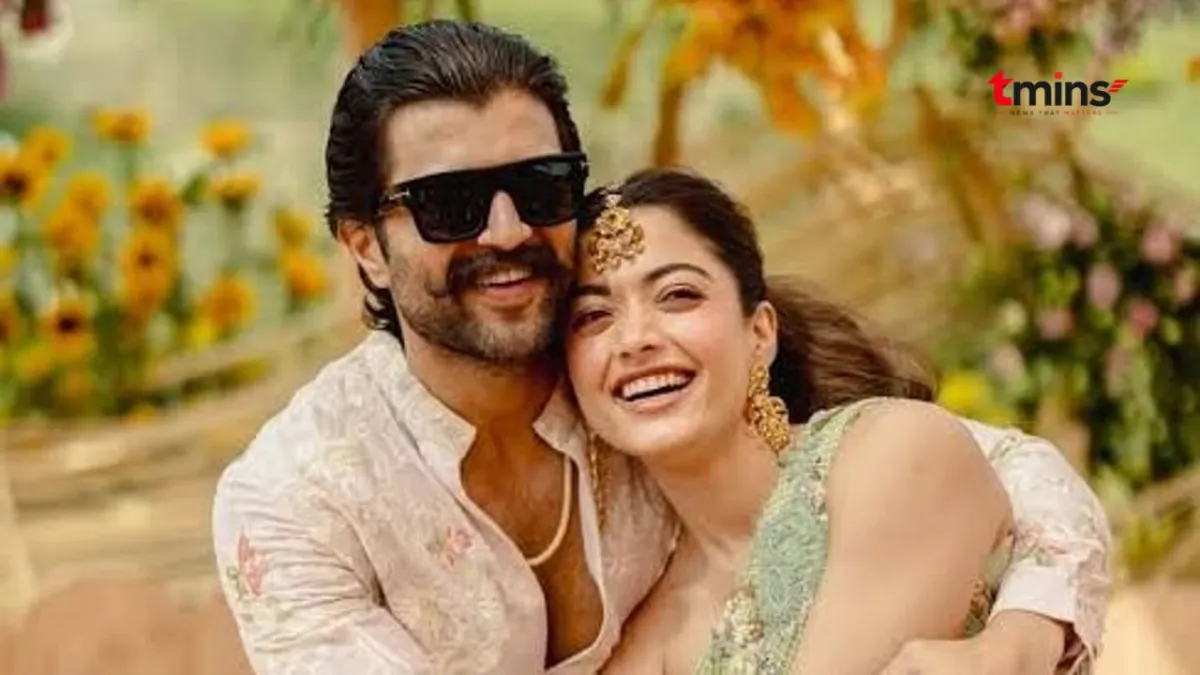
Rashmika Mandanna has become the centre of an online debate about relationships, feminism and women's freedom to make personal decisions. A viral moment involving the actor and her husband, Vijay Deverakonda, alongside a separate video of a woman celebrating Durga Puja with her husband in Kolkata, has sparked widespread commentary on social media. Although the two situations are different, they share a common thread: strangers are questioning women's choices about their partners, often assuming that they know what is best for them. The debate raises an important question: why does a woman's decision about her own relationship so often invite unsolicited advice, ridicule and judgment?
Rashmika Mandanna's Marriage Becomes a Social Media Debate
Rashmika Mandanna appeared on Koffee with Karan with her husband, fellow actor Vijay Deverakonda. During the conversation, Vijay reportedly joked that Rashmika had asked him to marry her around 100 times before he agreed. The comment subsequently went viral, prompting social media users to interpret it in different ways. Some suggested that Vijay had settled for Rashmika, while others described her repeated proposal as humiliating and questioned her decision to marry him. However, a brief exchange on an entertainment show does not necessarily reveal the complete dynamics of a relationship. Talk shows are edited entertainment formats, and an isolated comment cannot provide a full understanding of a couple's private life. The criticism also raises a question about double standards. Had a man repeatedly asked a woman to marry him, many people might have described the gesture as romantic or persistent. When a woman expresses similar determination, however, her actions can become a reason for mockery. More importantly, the debate risks treating Rashmika as someone incapable of understanding her own relationship or making an informed decision.



A Kolkata Woman Faces Judgment Over Her Husband's Appearance
The second controversy began with a video showing a family enjoying Durga Puja festivities in Kolkata. The woman and her husband were seen travelling in a rickshaw while visiting pandals. Instead of focusing on the family's celebration, some social media users turned their attention to the husband's appearance and financial status. Comments questioned why the woman had chosen him, with some suggesting that she could have found a more conventionally attractive partner. The reactions revealed how quickly online audiences can turn an ordinary personal moment into an opportunity to judge someone's life choices. The criticism also overlooked the context. Rickshaws can be a practical way to navigate crowded streets during Kolkata's Durga Puja celebrations. More fundamentally, neither a person's appearance nor their mode of transport determines the quality of their relationship. The woman's happiness cannot reasonably be measured against strangers' expectations of what her husband should look like or how wealthy he should be.
When Online Criticism Disguises Itself as Feminism
Both incidents demonstrate how the language of empowerment can sometimes be used to justify intrusive commentary. Feminism supports women's freedom, equality and ability to make decisions about their own lives. It does not require women to choose partners according to a particular social standard or to justify their relationships to strangers. Offering support to someone experiencing genuine mistreatment is different from assuming that a woman must be unhappy because her partner does not meet another person's expectations. Rashmika's response reportedly described such behaviour as “bullying dressed up as feminism.” The phrase captures the contradiction at the heart of the debate: claiming to defend a woman while simultaneously dismissing her judgment and agency. Women should be able to discuss relationship concerns openly, but those conversations should not become a pretext for publicly humiliating people based on speculation.
Why Women's Personal Choices Still Attract Scrutiny
Public figures routinely face attention, and their relationships can become subjects of public discussion. However, visibility does not mean that every aspect of their lives is open to unrestricted judgment. For ordinary women, the situation can be even more uncomfortable. A personal video shared online may expose them to thousands of strangers who feel entitled to comment on their appearance, marriage and lifestyle. These reactions often reflect deeply rooted expectations about how women should behave and whom they should choose. When a woman's decision challenges those expectations, people may assume she needs advice, rescue or correction—even when she has not asked for any of them.
Feminism Means Respecting a Woman's Right to Choose
Rashmika Mandanna and the woman in Kolkata have different lives and circumstances, but both examples highlight the importance of respecting personal agency. A relationship may be imperfect, and people can make decisions they later reconsider. Those possibilities do not give strangers the right to declare that a woman has made the wrong choice based on a short video or an isolated comment. Ultimately, feminism is not just about giving women a voice; it is also about respecting what they choose to say and do. Supporting women's independence means allowing them to make their own decisions, learn from their experiences and define happiness on their own terms. The real question is not whether outsiders believe these women could have chosen differently. It is whether society is willing to accept that the choice belongs to the women themselves.



टिप्पणी लिखें
बातचीत में शामिल होने के लिए कृपया साइन इन करें।
टिप्पणी करने के लिए साइन इन करेंखाता नहीं है? साइन अप करें