मुख्य बिंदु
- Kunal Bahl H-1B Visa Rejection: How He Built Snapdeal पर विस्तृत जानकारी और ताज़ा अपडेट।
- सरकारी अधिकारियों और ज़मीनी संवाददाताओं के मुख्य बयान।
- ऐतिहासिक संदर्भ और बाज़ार/सामाजिक प्रभाव का विश्लेषण।
- नीचे पूरा विस्तृत विवरण पढ़ें।
Kunal Bahl H-1B Visa Rejection: How a Microsoft Job Setback Led to Snapdeal's Success
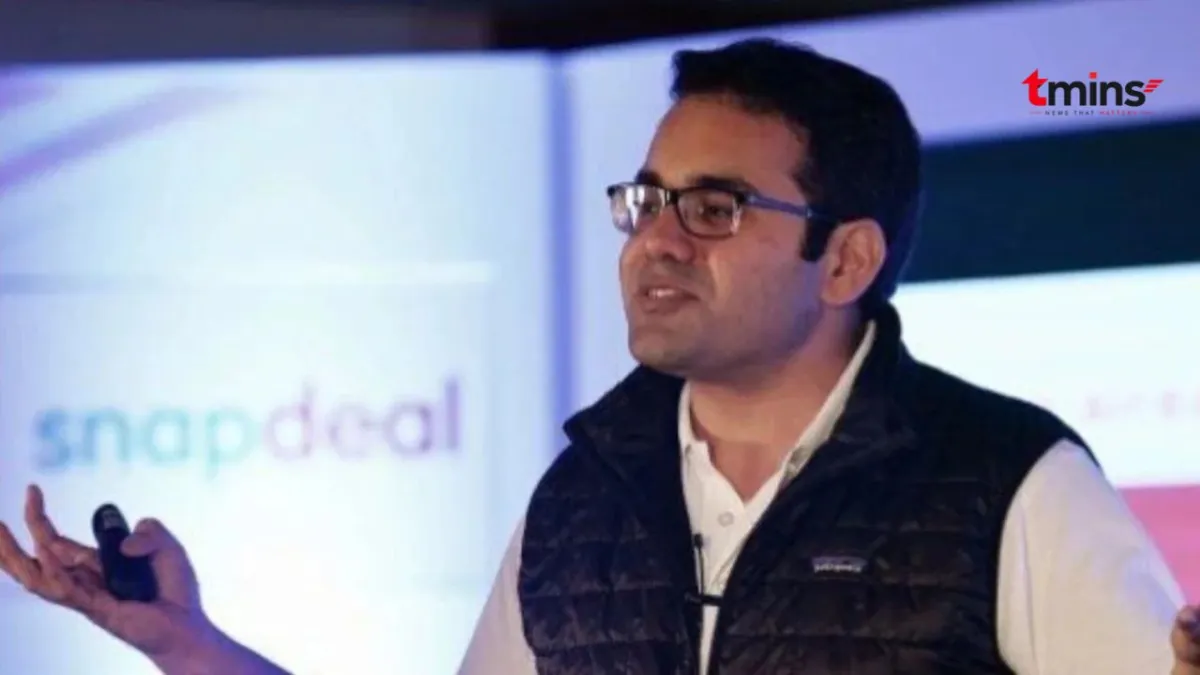
Kunal Bahl H-1B Visa Rejection became a turning point in the life of the Indian entrepreneur who went from working at Microsoft in the United States to building one of India's best-known e-commerce companies, Snapdeal. What initially appeared to be a major career setback in 2007 eventually became the beginning of his entrepreneurial journey. Bahl's H-1B visa application was rejected when he was working as a full-time employee at Microsoft in the US. Instead of continuing his corporate career through an alternative arrangement offered by the company, he decided to return to India and start his own business. Today, his journey is an example of how an unexpected professional setback can sometimes open the door to new opportunities.
H-1B Visa Rejection Changed Kunal Bahl's Career
Kunal Bahl graduated from the University of Pennsylvania and joined Microsoft as a full-time employee in October 2006 after completing an internship with the technology giant. However, his plans to continue working in the United States faced an unexpected obstacle in June or July 2007, when his H-1B visa petition was rejected. Bahl recalled the incident in an interview with Business Insider. He was approaching the end of his temporary work authorisation and was waiting for the outcome of his visa application. The rejection came as a surprise because he was already working for one of the world's leading technology companies. Initially, he struggled to understand why his application had not been approved despite his professional position.



Microsoft Offered Him an Alternative
Following the rejection, Bahl discussed the situation with Microsoft's team to understand his options. The company suggested that he relocate to its India office and continue working from there. Microsoft also offered him the opportunity to apply for an H-1B visa again after 12 months. This arrangement would have allowed him to retain his corporate position and potentially return to the United States later. However, Bahl had a different vision for his future. He did not want to return to India simply to continue working for a multinational company. Instead, he decided to use the situation as an opportunity to pursue his long-standing ambition of becoming an entrepreneur.
How Kunal Bahl and Rohit Bansal Started Snapdeal
After deciding to return to India, Bahl contacted his school friend Rohit Bansal. The two friends discussed their business plans and decided to establish their own company. In September 2007, they started a business together, shortly before Bahl arrived in India. Initially, their venture focused on selling coupon books. The business model gradually evolved as the founders identified opportunities in India's growing internet and online shopping market. Eventually, the company transformed into Snapdeal, which became one of India's prominent e-commerce platforms. The journey was not an overnight success. The founders had to understand changing consumer behaviour, build an online marketplace and compete in India's rapidly developing e-commerce industry. What started as an alternative to an uncertain US career eventually became a major entrepreneurial venture.
IBM Ends H-1B and Green Card Sponsorship for Most Consulting Roles
Meanwhile, employment-based immigration in the United States is facing renewed attention following IBM's reported decision to stop sponsoring H-1B visas and green cards for most positions in its US consulting business. According to Bloomberg, affected employees have been given two options: continue working in their roles from outside the United States or leave the company by the end of 2026. An IBM spokesperson told Newsweek that the company's participation in high-skilled immigration programmes had been declining for several years. The company said these programmes had previously helped address specific skill shortages but that it would no longer sponsor visas and green cards for the majority of positions within IBM Consulting. The development could create uncertainty for foreign professionals working in the US consulting industry, particularly those dependent on employer-sponsored immigration.
Microsoft and Adobe Face PERM Restrictions
The immigration debate has also expanded to the green card process. In October, Microsoft and Adobe were among the companies reported to have faced suspension of access to the Permanent Labor Certification programme, commonly known as PERM, over alleged violations. PERM is an important step in the employment-based green card process. Employers generally need to demonstrate that qualified and available US workers are not available for a particular position before sponsoring a foreign employee for permanent residency. Restrictions on access to this process can make it more difficult for companies to retain foreign employees over the long term.
Kunal Bahl's Story Offers a Lesson for Entrepreneurs
Kunal Bahl's journey highlights how an unexpected career setback can change someone's professional direction. His rejected H-1B petition ended his immediate plans to work in the United States, but it also encouraged him to pursue entrepreneurship in India. Along with Rohit Bansal, he built Snapdeal from an initial coupon-book venture into a recognised e-commerce brand. He later also co-founded Titan Capital, an investment firm supporting startups. At a time when US employment-based immigration policies and corporate visa sponsorship decisions are receiving greater attention, Bahl's experience remains relevant for Indian professionals working abroad. His story demonstrates that sometimes a closed door can lead to an entirely different opportunity, especially for those willing to take risks and build something of their own.



टिप्पणी लिखें
बातचीत में शामिल होने के लिए कृपया साइन इन करें।
टिप्पणी करने के लिए साइन इन करेंखाता नहीं है? साइन अप करें