मुख्य बिंदु
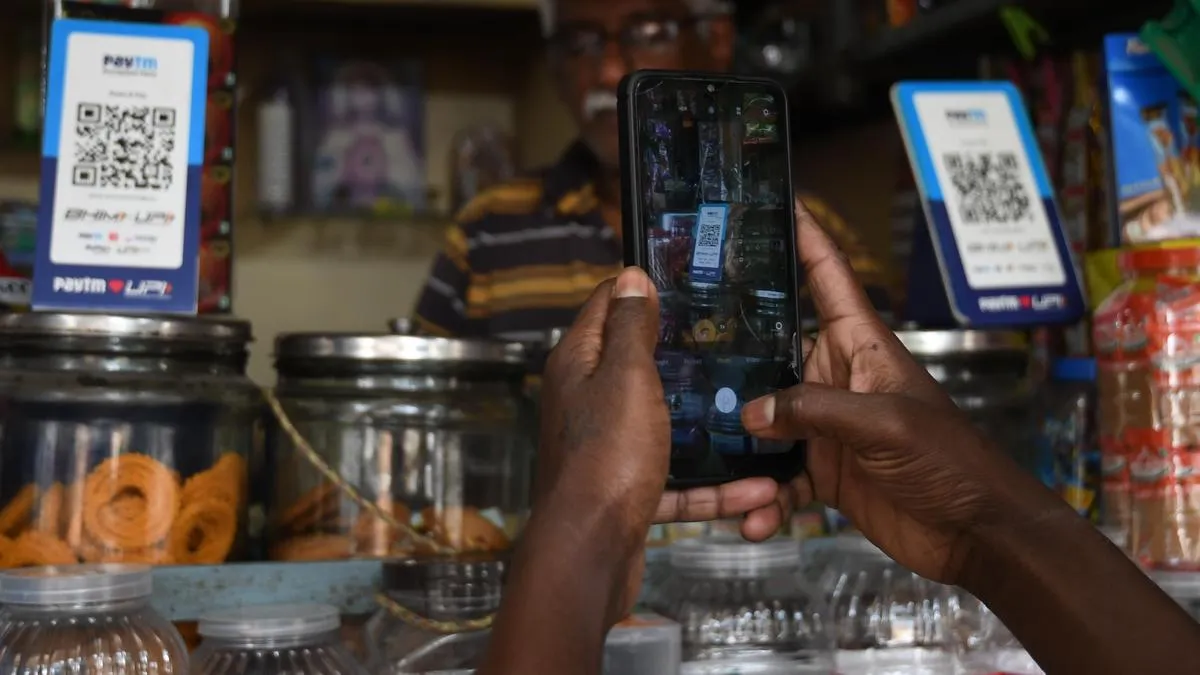
- A user making a UPI payment through a smartphone in India पर विस्तृत जानकारी और ताज़ा अपडेट।
- सरकारी अधिकारियों और ज़मीनी संवाददाताओं के मुख्य बयान।
- ऐतिहासिक संदर्भ और बाज़ार/सामाजिक प्रभाव का विश्लेषण।
- नीचे पूरा विस्तृत विवरण पढ़ें।
The question about whether Unified Payments Interface (UPI) transactions will still stay free has come back up for discussion again, kind of. Since UPI adoption keeps growing fast across India , policymakers and industry folks are now looking at ways to make sure the country’s digital payments infrastructure stays sustainable in the long run.
Laterly, some reports say the government is considering ideas that might permit a Merchant Discount Rate, or MDR , on certain high-value UPI payments, especially when the payer is dealing with big merchants. This has set off a lot of chatter and frankly some jitters too , because users and businesses have gotten used to free, effortless, easy digital payments for a while now .
What Is MDR and Why Does It Matter?
Merchant Discount Rate, or MDR, is a fee paid by merchants to banks and payment service providers for processing digital transactions. Before 2020, MDR was applicable to many digital payment methods, including some UPI transactions. However, the government later introduced a zero-Merchant Discount Rate, or MDR, is kinda a fee that merchants pay to banks and payment service providers, for handling digital transactions. Before 2020, MDR was tied to a bunch of digital payment methods, including some UPI transactions too. Then later the government brought in a zero-MDR policy, so that more people would actually use digital payments, with less friction.
MDR policy to encourage wider adoption of digital payments.
Removing MDR helped UPI grow, making it become one of the worlds most used real-time payment systems. But then banks and payment companies have pushed back and said that keeping, and expanding that payment infrastructure needs a lot of money, so it becomes unclear how exactly those costs should be paid for.
Will Users Have to Pay for UPI Transactions?
As of now, there is no proposal that would charge individual users for normal UPI transactions. Most talks have rather leaned toward adding charges for merchants, in particular bigger businesses that handle higher value transactions, and stuff like that. Smaller merchants and everyday consumers are, for the most part, expected to stay protected if any future policy framework ever comes into play. Industry experts also feel that if changes are introduced they would be rolled out carefully so UPI’s wide spread adoption and overall popularity with consumers does not get disturbed.
Government Yet to Take Final Decision
The government has not announced any final decision regarding UPI charges.Officials keep repeating they are determined to foster digital payments, but at the same time, make sure the whole system stays financially viable for banks, fintech firms, and payment providers too. Right now, UPI transactions still stay free for users. Still, discussions in motion point to this balancing act, between pushing digital payments ahead, and building a sustainable business model for the fast expanding payments infrastructure.
What Lies Ahead?
With billions of transactions happening every month, UPI has become a critical piece in India’s digital economy. If there are any changes to the fee structure, people will probably watch it pretty closely, like consumers merchants banks and fintech companies all at once. Even though worries about possible charges still keep coming up, experts generally feel policymakers will need to lean toward user comfort and financial inclusion as they map out what’s next for India’s digital payments ecosystem.

Vinay kumar mishra
टीमाइन्स न्यूज़ डेस्क आपके लिए भारत और दुनिया भर से 24/7 सटीक, निष्पक्ष और ब्रेकिंग न्यूज़ लाता है।


अभी तक कोई टिप्पणी नहीं है। अपने विचार साझा करने वाले पहले व्यक्ति बनें!
By signing in, you agree to our Terms of Service and Privacy Policy.

One Account. Full Access.
टिप्पणी लिखें
बातचीत में शामिल होने के लिए कृपया साइन इन करें।
टिप्पणी करने के लिए साइन इन करेंखाता नहीं है? साइन अप करें