
मुख्य बिंदु
- Nepal Cancels Tibetan Studies Conference, Sparks Debate Over China’s Influence पर विस्तृत जानकारी और ताज़ा अपडेट।
- सरकारी अधिकारियों और ज़मीनी संवाददाताओं के मुख्य बयान।
- ऐतिहासिक संदर्भ और बाज़ार/सामाजिक प्रभाव का विश्लेषण।
- नीचे पूरा विस्तृत विवरण पढ़ें।
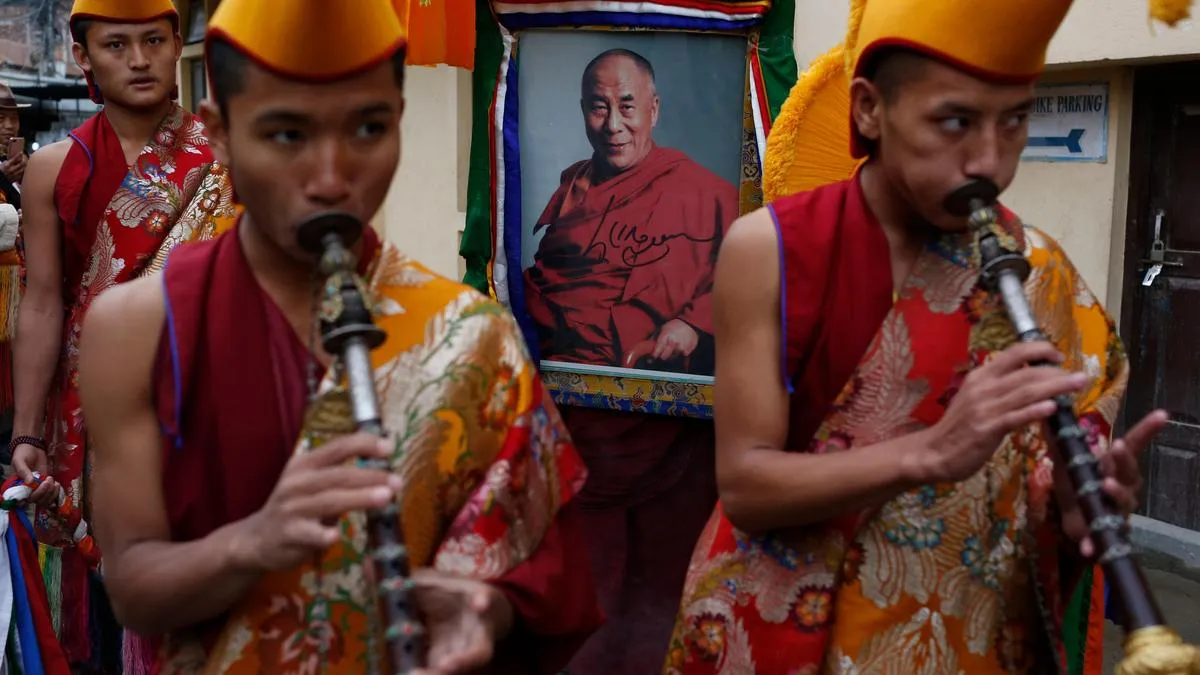
Cancellation of an international Tibetan studies conference in Kathmandu has raised questions about Nepal’s diplomatic balancing act and Beijing’s growing influence in the Himalayan nation.
So there was this big international conference on Tibetan studies, planned for Nepal, and it got cancelled, which then triggered all this back-and-forth debate about how much China really has a hand in the Himalayan country. The whole event was supposed to gather around 700 people, scholars and researchers, plus academics from a few different countries, and it was meant to cover Tibetan history, culture, language and also the more current issues people talk about today. After the cancellation, things got heated in Nepal and even farther out. Some critics are now asking if the government ended up bending, or giving in to pressure from Beijing, and they’re not exactly subtle about it either. China, for a long time, has treated anything connected to Tibet as politically delicate, and it closely watches events, including ones that could be seen as supporting Tibetan autonomy or independence. Because of that, a bunch of observers say the diplomatic calculations might very well have mattered, like more than people first assumed.
Nepal has some deep economic, and also strategic, ties with China and in the last few years it has quietly but steadily expanded cooperation with Beijing. Chinese investments in infrastructure, trade, and various development programs have gone up, so that China is now basically one of Nepal’s most important external partners. Still, analysts say Kathmandu is often stuck with the same annoying task: balancing its national interests, while also keeping very solid relations with both China and nearby India. So far, government officials have not really confirmed whether outside pressure had any role in the cancellation. But that decision has, somehow, lit up debates among academics, civil society groups, and political watchers about freedom of expression and academic independence in Nepal. Several scholars sounded frustrated, saying that academic conferences should be places for open discussion and genuine research, not arenas shaped by geopolitical considerations. This controversy is happening while China’s regional clout continues to grow across South Asia. For many observers the whole thing shows how complicated the diplomatic space Nepal has to work in, and the kinds of challenges it meets when it tries to manage relations with big neighbors without sacrificing academic and institutional autonomy.As the argument keeps rolling on, the cancellation has turned into more than a simple academic problem, it’s become a wider conversation about foreign influence, sovereignty, and where Nepal sits in a faster, more competitive geopolitical environment.




टिप्पणी लिखें
बातचीत में शामिल होने के लिए कृपया साइन इन करें।
टिप्पणी करने के लिए साइन इन करेंखाता नहीं है? साइन अप करें