
मुख्य बिंदु
- Platelet Transfusion Linked to Higher AKI Risk in Sepsis Patients पर विस्तृत जानकारी और ताज़ा अपडेट।
- सरकारी अधिकारियों और ज़मीनी संवाददाताओं के मुख्य बयान।
- ऐतिहासिक संदर्भ और बाज़ार/सामाजिक प्रभाव का विश्लेषण।
- नीचे पूरा विस्तृत विवरण पढ़ें।



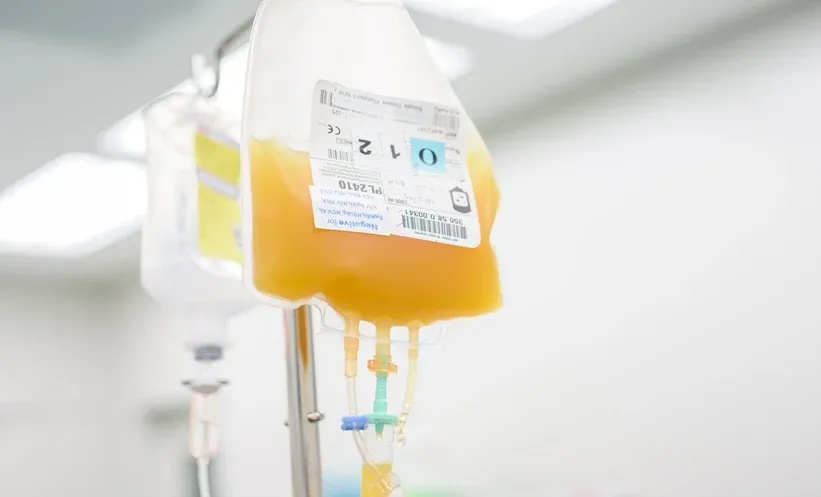
A new study suggests prophylactic platelet transfusions in sepsis patients with severe thrombocytopenia may increase the risk of acute kidney injury, though causation remains unproven.
A new retrospective cohort study , kind of suggests—maybe even implies that platelet transfusions could be tied to a higher chance of acute kidney injury (AKI) particularly in people with sepsis and severe thrombocytopenia. And yes it creates some serious, sort of unsettled issues around the usual use of prophylactic platelet transfusions, meaning when a patient is not actively bleeding. In this work the researchers looked at information from 1,413 adults who met Sepsis-3 criteria and had platelet counts under 50×10⁹/L. Importantly there was no sign of active bleeding. Out of these patients , 640 got platelet transfusions within the first 48 hours after sepsis began. The remaining 773 did not get any transfusions. Their main endpoint, the primary outcome was whether stage 2 or worse AKI showed up within seven days. Once they adjusted for differences in patient characteristics using propensity score matching, the pattern stayed visible. In the transfusion group, 64.9% developed AKI. In contrast, 55.3% of those without transfusions did. In the statistical model, platelet transfusion showed a significant association with AKI, with an adjusted odds ratio of 1.55.
The association stayed consistent across several sensitivity analyses. Even when the researchers removed patients who had AKI before getting transfusions, platelet transfusion still showed a significant link to kidney injury, pretty much unchanged. But the study also reported no significant association between platelet transfusions and 30-day all-cause mortality. What stood out more, is that the relationship between platelet transfusion and AKI seemed to get weaker after the team adjusted for concurrent red blood cell transfusions. This kind of pattern points to the possibility that other blood products may have steered, or nudged, the results and could operate as key confounders. The investigators also underlined that the retrospective nature of the study really cannot settle cause and effect, not in a clean way. Still, the results hint at some caution, if clinicians are mulling prophylactic platelet transfusions in sepsis patients who do not have active bleeding. Prospective clinical trials will most likely be required to clarify whether platelet transfusions directly contribute to kidney injury, or if they are just showing up alongside it. Overall, the study sort of underscores the need for careful reassessment of transfusion tactics in critically ill patients and it could, in turn influence future clinical guidance for sepsis-related thrombocytopenia..



टिप्पणी लिखें
बातचीत में शामिल होने के लिए कृपया साइन इन करें।
टिप्पणी करने के लिए साइन इन करेंखाता नहीं है? साइन अप करें