मुख्य बिंदु
- Children's Day 2026: Why India Celebrates November 14 पर विस्तृत जानकारी और ताज़ा अपडेट।
- सरकारी अधिकारियों और ज़मीनी संवाददाताओं के मुख्य बयान।
- ऐतिहासिक संदर्भ और बाज़ार/सामाजिक प्रभाव का विश्लेषण।
- नीचे पूरा विस्तृत विवरण पढ़ें।
Children's Day 2026: Know the history and significance of Bal Diwas in India
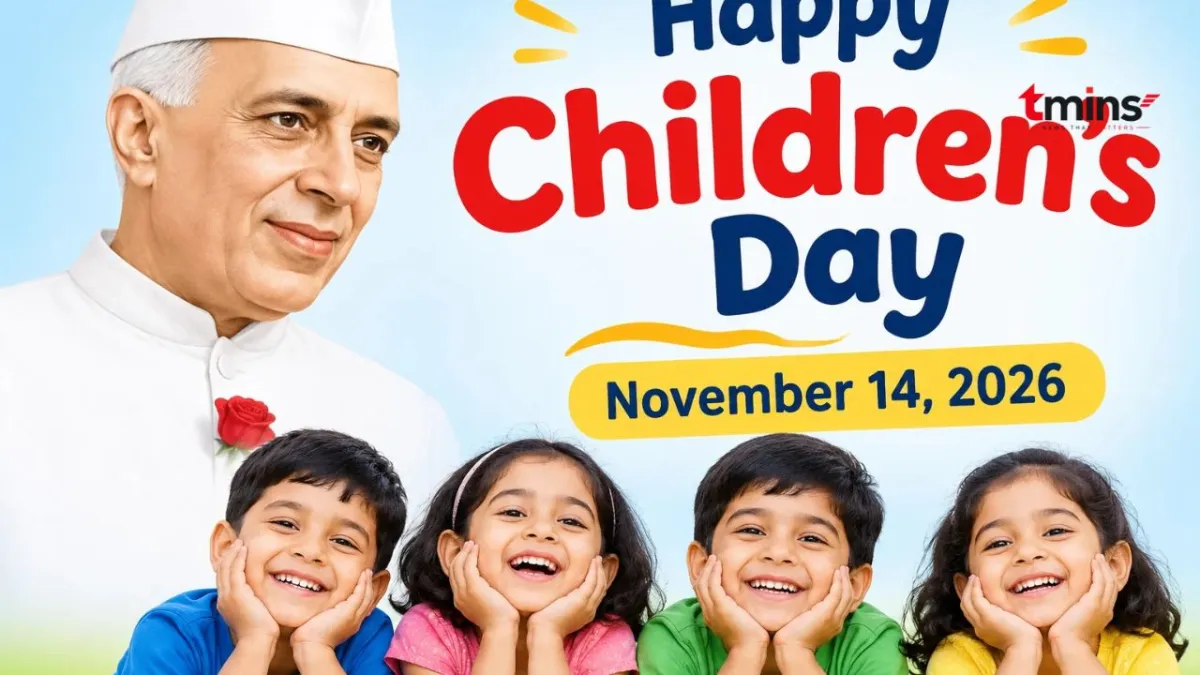
Children's Day 2026: India celebrates Children's Day every year on November 14 to mark the birth anniversary of its first Prime Minister, Pandit Jawaharlal Nehru. Popularly known as 'Chacha Nehru' among children, he was widely recognised for his affection towards young people and his strong belief in their education, development and well-being. While the United Nations observes World Children's Day on November 20, India follows a different date. The decision to celebrate Children's Day on November 14 is closely connected to Nehru's contribution to the country and his vision for future generations. Also known as 'Bal Diwas', the occasion highlights the importance of children's rights, education, healthcare and overall development. Schools, educational institutions and several organisations across the country organise special activities to make the day memorable for children.
Children's Day 2026: Why Is November 14 Celebrated In India?
India celebrates Children's Day on November 14 because it is the birth anniversary of Jawaharlal Nehru, who was born on November 14, 1889. He served as India's first Prime Minister and played an important role in shaping the country's educational and social institutions after independence. Nehru believed that children were the foundation of a strong and progressive nation. According to his vision, the future of a country depended significantly on how its children were raised, educated and supported. His affection for children earned him the popular name 'Chacha Nehru'. He consistently emphasised the need to provide children with opportunities to learn, explore their interests and develop into responsible citizens. Following his death on May 27, 1964, the decision was taken to celebrate his birth anniversary as Children's Day in India. Since then, November 14 has been observed every year as Bal Diwas.

Children's Day History: Why November 20 Was Previously Celebrated
Before 1964, India observed Children's Day on November 20, which is recognised internationally as World Children's Day. The United Nations established November 20 to promote international awareness of children's rights and welfare. The date also marks the adoption of the Declaration of the Rights of the Child in 1959 and the Convention on the Rights of the Child in 1989. However, following Jawaharlal Nehru's death in 1964, India shifted its Children's Day celebrations to November 14 to honour his memory and his commitment to children's welfare. This is why India celebrates Children's Day on a different date from many other countries.
Children's Day 2026: Significance And Importance
Children's Day is more than just a celebration. It serves as an important reminder that every child deserves access to quality education, proper healthcare, protection and equal opportunities. The occasion highlights several important aspects of childhood, including:
Education: Every child should have access to quality education and opportunities to develop their abilities.
Health And Nutrition: Proper healthcare and nutritious food are essential for children's physical and mental growth.
Child Rights: Children must be protected from exploitation, abuse, discrimination and child labour.
Equal Opportunities: Every child deserves a safe environment and the freedom to pursue their dreams.
Overall Development: Sports, creativity, cultural activities and education play an important role in shaping young minds.
The day also encourages parents, teachers and society to take responsibility for creating a supportive environment where children can grow with confidence.
How Is Children's Day Celebrated In Schools?
Schools across India celebrate Children's Day with enthusiasm and excitement. The occasion gives students an opportunity to enjoy activities beyond their regular academic schedules. Teachers often organise special morning assemblies and share stories about Jawaharlal Nehru's life, his contribution to India and his affection for children. Cultural programmes are among the major attractions of the celebrations. Students participate in dance performances, singing competitions, skits, storytelling sessions and poetry recitations. Many schools also organise fancy dress competitions, drawing contests, quizzes and sports activities. Some institutions arrange games, food stalls and small carnivals to make the occasion more enjoyable. In several schools, teachers also perform special programmes for students as a gesture of love and appreciation.
Children's Day 2026: A Reminder To Protect Every Child's Future
Children's Day reminds everyone that children are not just the future of the country; they are an important part of society today. Their dreams, education, health and happiness deserve attention and support. As India celebrates Bal Diwas on November 14, the occasion provides an opportunity to remember Jawaharlal Nehru's vision and renew the commitment to building a safe, educated and healthy environment for every child.
Happy Children's Day 2026!



टिप्पणी लिखें
बातचीत में शामिल होने के लिए कृपया साइन इन करें।
टिप्पणी करने के लिए साइन इन करेंखाता नहीं है? साइन अप करें