Bhagat Singh’s revolutionary writings, socialism and call for change continue to inspire student movements across India
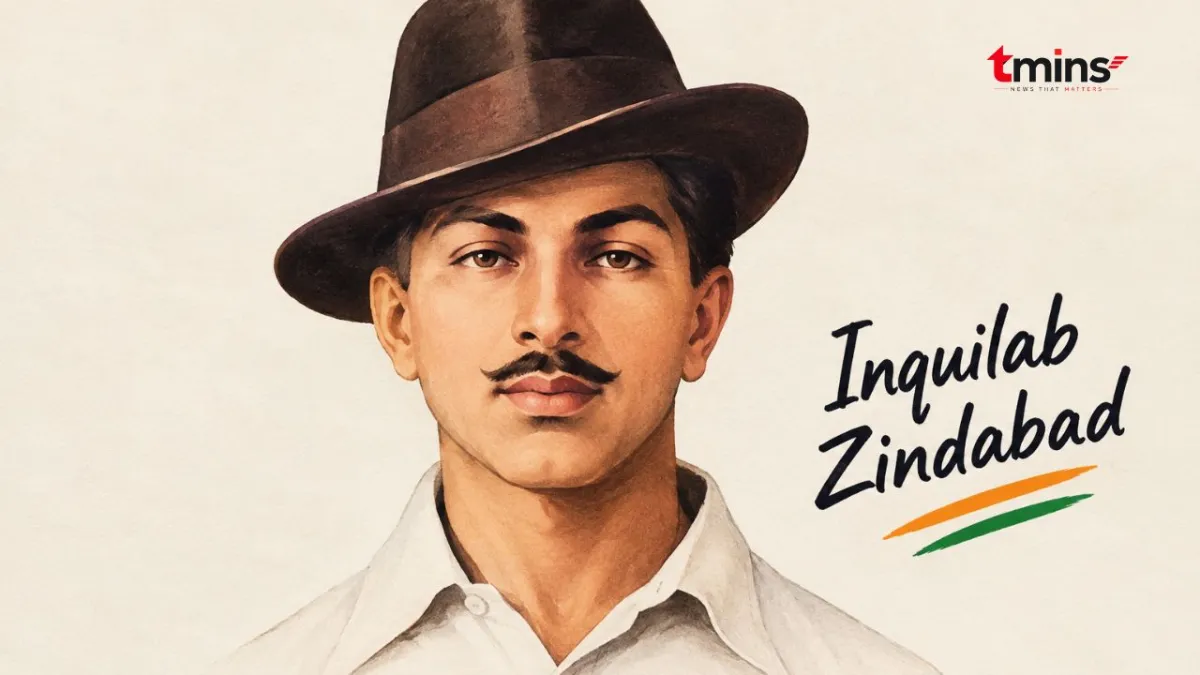
Bhagat Singh is remembered every year on September 28. That date marks his birth anniversary. People recall the revolutionary freedom fighter on that day across India. His face is often seen in posters. He is pictured with an iconic cap. Many also repeat the slogan “Inquilab Zindabad”. These images show up at student protests and at public meetings. They are also common in youth campaigns. Bhagat Singh was born on September 28, 1907. His birthplace was in the Lyallpur district of Punjab. Today that area is in Pakistan. He grew up in a family that was already part of the freedom struggle. His father was Kishan Singh. His uncles were Ajit Singh and Swaran Singh. They were linked with resistance against British rule.
Over time, his own views changed. He did not stick only to the nationalist politics many older people followed. Instead, he took more interest in revolutionary and socialist ideas. He also started reading writers and political thinkers. Names such as Karl Marx, Vladimir Lenin, and Mikhail Bakunin caught his attention.
Bhagat Singh’s Early Influences
Kartar Singh Sarabha was an early force in Bhagat Singh’s life. Sarabha was a young fighter tied to the Gadar movement. The British hanged him when he was only 19. Bhagat Singh treated him like a guide. He even kept Sarabha’s photo near him. In 1919, the Jallianwala Bagh massacre shook Bhagat Singh. He saw what the British did there. After that, he pulled further away from colonial rule. He also started to pay more attention to revolutionary politics. In 1922, events took another turn. Mahatma Gandhi ended the Non-Cooperation Movement after the violence at Chauri Chaura. After that, Bhagat Singh grew more doubtful about plans that depended only on peaceful public action. He began to lean toward groups that could act in a more organised and direct way.
Bhagat Singh and the Revolutionary Movement
In 1926, Bhagat Singh took part in setting up the Naujawan Bharat Sabha in Lahore. The group tried to bring young people together and spread anti-colonial, forward looking views. After that, he linked up with the Hindustan Socialist Republican Association. There he worked with other revolutionaries such as Chandrashekhar Azad and Sukhdev Thapar. The group tied the fight for Indian independence to socialist thinking. In 1928, a major shift came after Lala Lajpat Rai died from injuries he got in a police lathi charge. Later, Bhagat Singh and his team went after British police officer John P Saunders in Lahore. They thought he was James Scott, and they blamed Scott for the police action that led to Rai's death.Bhagat Singh’s Bomb Attack
In April 1929, Bhagat Singh and Batukeshwar Dutt threw bombs inside the Central Legislative Assembly in Delhi. The devices were meant to send a political signal, not to kill large numbers of people. Before the bombs, they had thrown leaflets and shouted revolutionary lines. Then they stayed where they were and let the police arrest them. This was done so their message would get public notice. After that, Bhagat Singh’s time in jail became a major part of his public story. Along with other political prisoners, he joined a long hunger strike. The strike was aimed at getting fairer treatment for prisoners. While he was in prison, he also wrote a lot. His piece titled “Why I Am an Atheist” showed his rational thinking. His other writings from jail also pointed to his views on socialism, revolution, and political ideas.Bhagat Singh’s Legacy
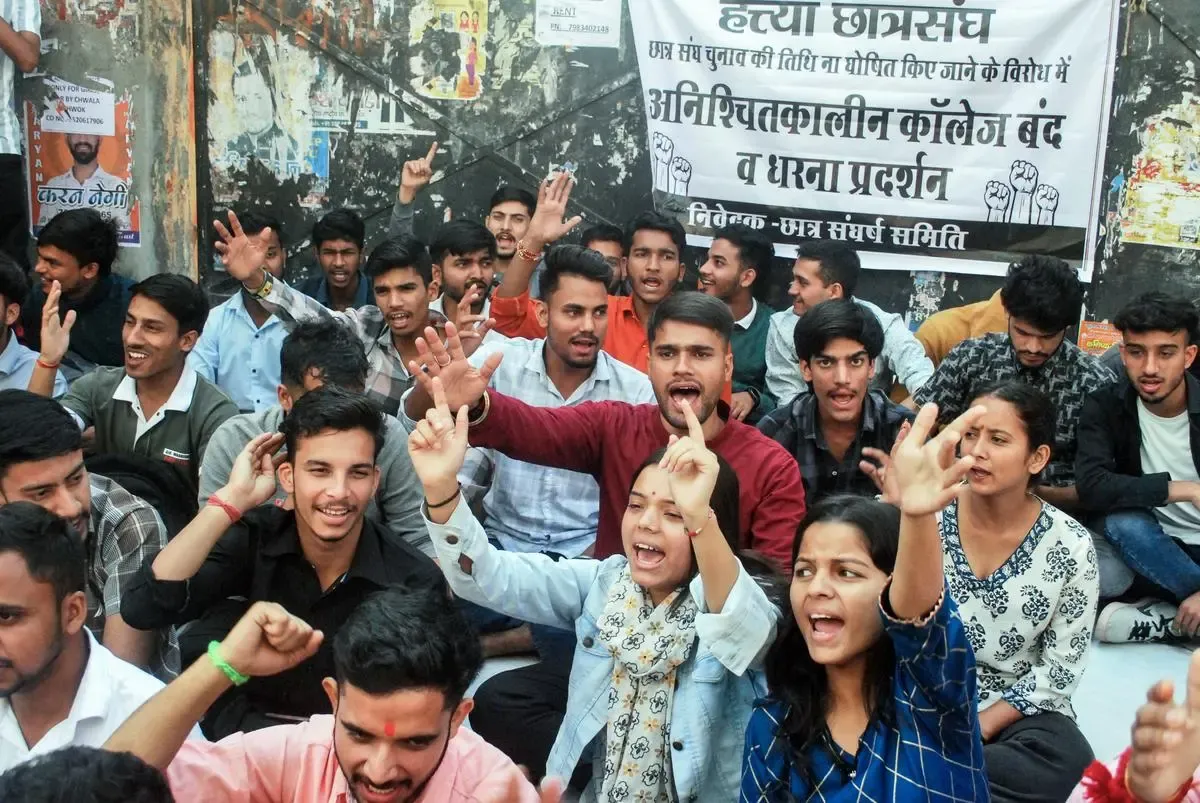
Bhagat Singh, along with Rajguru and Sukhdev, was given a death sentence in the Lahore Conspiracy Case. They were put to death on March 23, 1931, at Lahore Central Jail. Stories about his last hours have helped shape how people remember him. Many accounts describe him as a man who kept reading and thinking, even after knowing he would be executed. Nearly one hundred years later, his name still turns up in rallies run by students and young activists. His picture and his slogans are used by some groups that want to link current fights to older ideals tied to resistance, fairness, and social change. Different groups do not agree on what he stands for. Some see him mainly as a fighter against colonial rule. Others point to his ideas on socialism, rational thinking, and revolutionary politics as just as important. This ongoing debate is one reason he stays well known in India’s political and cultural memory, especially among young people and students.





टिप्पणी लिखें
बातचीत में शामिल होने के लिए कृपया साइन इन करें।
टिप्पणी करने के लिए साइन इन करेंखाता नहीं है? साइन अप करें