
मुख्य बिंदु
- Gen Z vs Parents: घरों में बढ़ता राजनीतिक मतभेद पर विस्तृत जानकारी और ताज़ा अपडेट।
- सरकारी अधिकारियों और ज़मीनी संवाददाताओं के मुख्य बयान।
- ऐतिहासिक संदर्भ और बाज़ार/सामाजिक प्रभाव का विश्लेषण।
- नीचे पूरा विस्तृत विवरण पढ़ें।
A growing ideological divide is emerging inside Indian households as Gen Z increasingly questions the political beliefs of their Modi-supporting parents.
Something like a new political, and generational, divide is starting to show up across India, and in a lot of places young people are openly pushing back on what their parents believe, or they just say it straight, sometimes, too straight. This conversation has been getting more visibility lately, especially alongside student led protests, and also because people feel more and more frustrated about education , jobs and day to day governance.
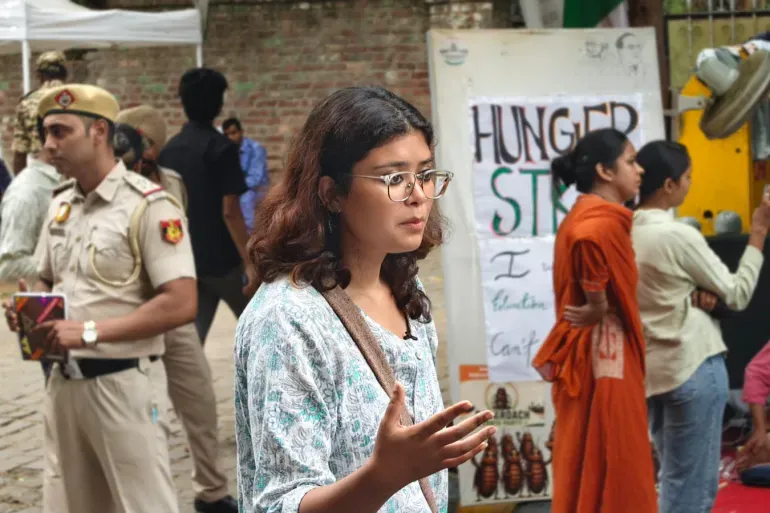
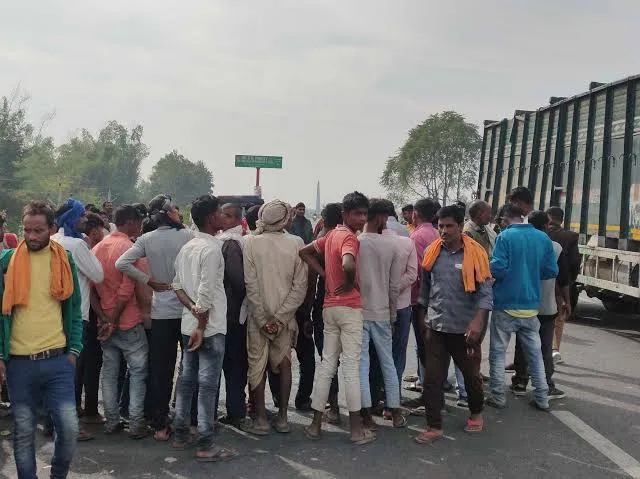
One example is 19-year-old Kunal Choudhary, a law student from Punjab. He went to New Delhi to join protests aimed at education reforms, and it was not just a small thing. The demonstrations were triggered after allegations of question paper leaks, plus worries about the fairness and the overall integrity of competitive entrance tests. For many young Indians, these things quickly stop being “just exams” and start looking like signs of bigger, system type problems, the kind that they believe really need urgent attention, right now, not later. Choudhary’s story also matches a broader pattern within India’s Gen Z. While a good number of parents still back Prime Minister Narendra Modi and groups like the Rashtriya Swayamsevak Sangh (RSS), some younger citizens are forming very different political readings. And then, unsurprisingly, these differences turn into intense conversations, arguments sometimes, even at home, with families trying to make the same table feel like two separate worlds.
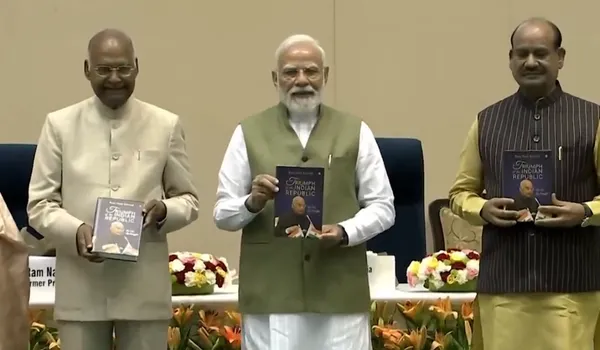
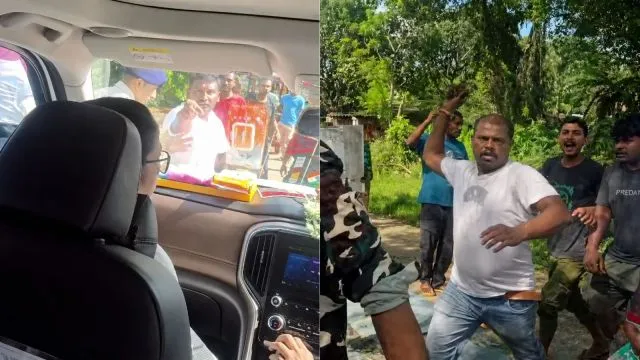
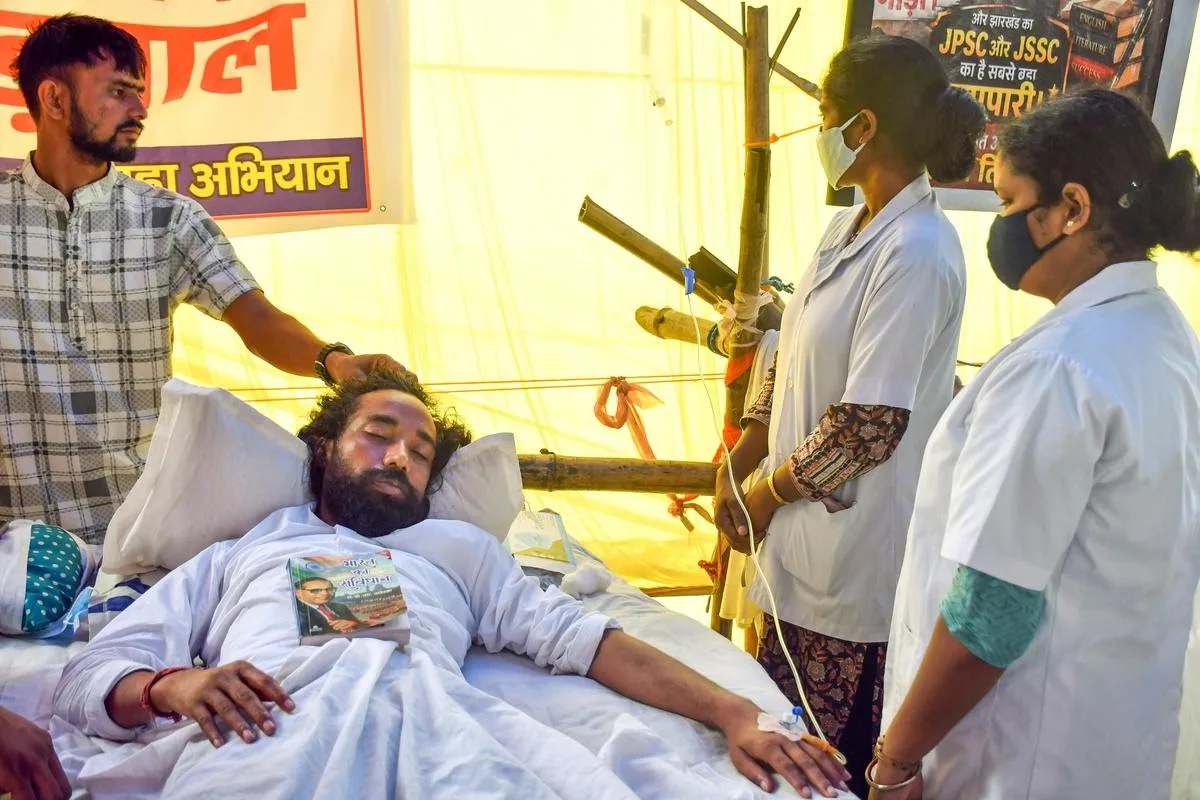
Young Indians say they are more and more influenced by social media, independent reporting sources , and online discussions that show them a broad set of viewpoints. So, they become a bit more ready to question the established political storylines, and to challenge beliefs that just… used to be hardly ever talked about inside households. Meanwhile, a lot of older generations still show strong support for the present government, and they mention reasons like infrastructure development , national safety initiatives, plus India’s rising global standing. This difference in what matters most has slowly created a widening political divide between generations, like a slow gap that just keeps growing. Experts think this moment is a major change in India’s political culture. And unlike earlier cohorts, today’s youth are much louder when it comes to problems that shape their coming years, for example education standards, work chances, and democratic accountability. Their increased presence in protests and public conversations basically shows they want to shape policy and governance, not just observe it quietly.
As India keeps changing in both social and political ways, these talk sessions inside homes might show up more often, than before. Sure, disagreements can bring some awkward tension, but they also point to a lively democratic setup where generations are in active mode about the country’s next direction. The back-and-forth between Gen Z and their parents is probably not going away anytime soon either, it may keep being a key piece of India’s political scenery in the years ahead.




टिप्पणी लिखें
बातचीत में शामिल होने के लिए कृपया साइन इन करें।
टिप्पणी करने के लिए साइन इन करेंखाता नहीं है? साइन अप करें